What Competitive Runners Should Know About Physiotherapy Care
Run Farther, Hurt Less: Why Your Body Needs Pro Support
Competitive running asks a lot from your body. Hard workouts, long races, and packed seasons can turn small aches into problems that get in the way of your goals. When pain starts to slow you down, it is not just annoying; it is a performance issue.
Physiotherapy for runners is built for this exact spot. It is not about doing a few basic stretches so you can walk without limping. It is about sport-focused care that helps you keep training, come back stronger, and feel confident on the starting line. The goal is not only to get out of pain, but to help you run faster, longer, and safer.
At Rebound Physical Therapy, we work one-on-one with active adults and athletes in Central Connecticut who want to get back to their sport, not to the couch. Our approach is performance-driven, so your plan is built around your training, your races, and the way you move when you run 5Ks, marathons, cross-country, track, or rec league events.
How Running Changes Your Body When You Train Hard
Competitive running is simple, but not easy. You repeat the same motion, step after step, at high speeds and high mileage. Over time, that repetition loads certain areas of your body again and again.
Common stress points for runners include:
- Feet and ankles that absorb impact with every landing
- Shins and calves that work to control each step
- Knees that handle both impact and rotation
- Hips and glutes that guide leg position and stride
- Lower back that stabilizes your trunk when you run fast or uphill
If one part is stiff, weak, or tired, another area has to pick up the slack. That is how muscle imbalances and limited mobility slowly build toward overuse injuries. You might not feel anything for weeks, then suddenly that extra rep or extra mile pushes things over the edge.
Many runners in late summer and fall ramp up for road races and cross-country season. That often means:
- Higher weekly mileage
- Sharper speed work and hill repeats
- Mix of hot, humid days and cooler race mornings
- Tough trail or grass courses for cross-country
All of this loads your feet, legs, and back even more. Without smart support, your body may not keep up with the demands you are putting on it.
Avoiding Common Running Injuries Before They Stop You
Most running injuries do not come out of nowhere. They build over time. The good news is that early signs are usually there, if you know what to look for.
Common problems we see with physiotherapy for runners include:
- Runner’s knee and other front-of-knee pain
- IT band irritation on the outer knee or thigh
- Shin splints and lower leg soreness
- Achilles tendinopathy and sore heels
- Plantar fasciitis under the arch or heel
- Stress reactions or stress fractures in the foot, shin, or hip
Warning signs often look like this:
- Tightness that is still there the next morning
- Pain that shows up at the same mile or same pace every run
- Soreness that makes you change your stride or limp after you stop
These are red flags that your body is not handling your current training load. Ignoring them or just “pushing through” is what leads to missed races and long layoffs.
A sports-focused physical therapist looks for the root of the problem, not only the sore spot. That means checking for:
- Training errors, like big jumps in mileage or speed
- Footwear that does not match your foot or your schedule
- Stride mechanics that overload certain joints
- Strength or control issues in your hips, core, calves, or feet
By finding and fixing the true cause, you can break the cycle of rest, return, and re-injury that ruins seasons.
What a Runner-Focused Physio Session Actually Looks Like
A session built for runners should feel different from a basic rehab visit. It should feel like you are talking to someone who understands miles, splits, and race plans.
A first visit at a runner-focused clinic often includes:
- Detailed running history, including years in the sport and past injuries
- Review of your current training plan and upcoming races
- Clear sport goals, like setting a personal record, finishing a marathon, or getting through a full cross-country season healthy
From there, objective testing matters. A therapist may:
- Watch you walk, jog, and run, either on a treadmill or outside
- Check joint mobility in your ankles, hips, and spine
- Test strength and control with single-leg squats, balance drills, and hip strength work
- Use hop tests or light plyometric drills to see how your body handles impact
Treatment is then built around what your body needs to recover and then rebuild. That can include:
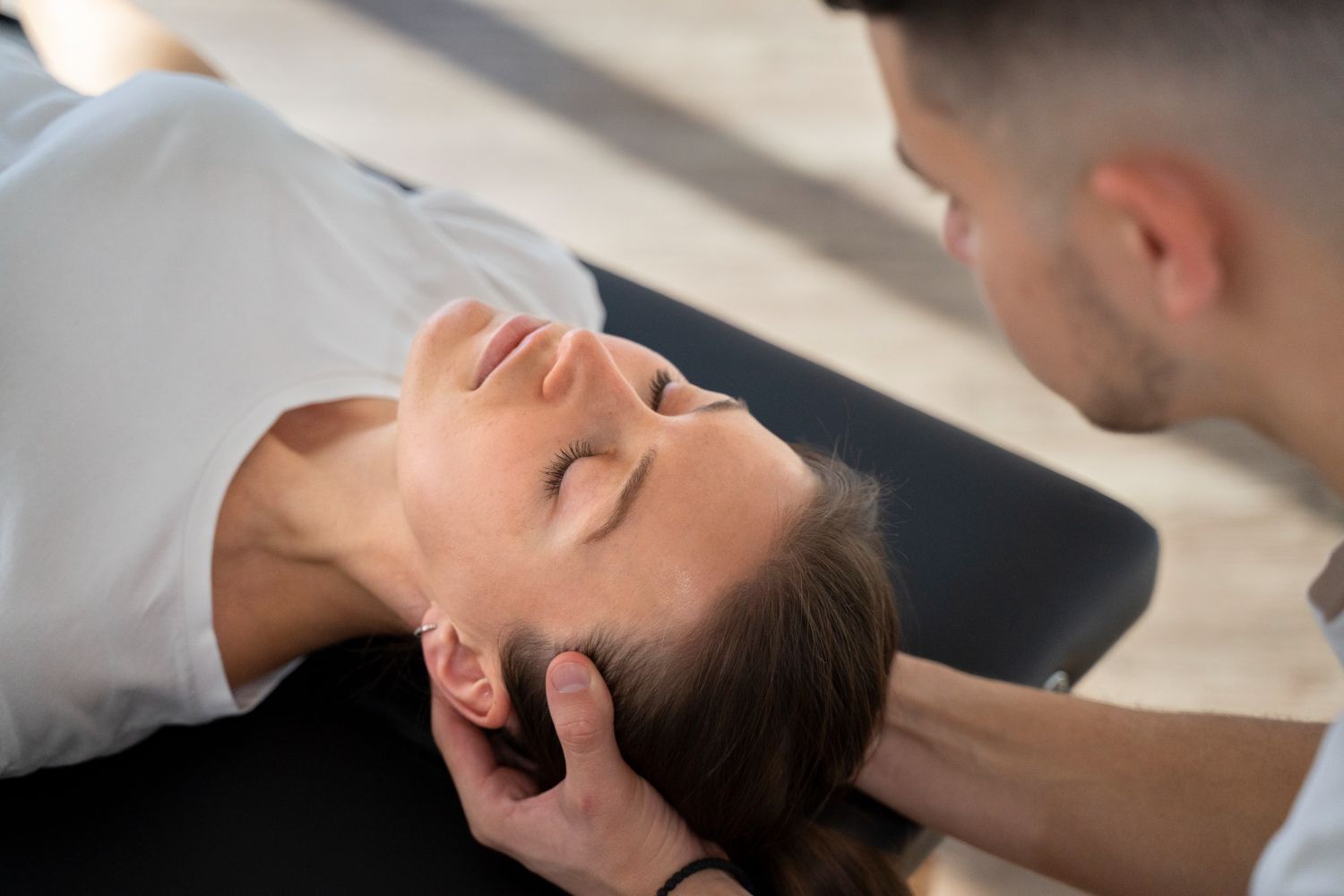
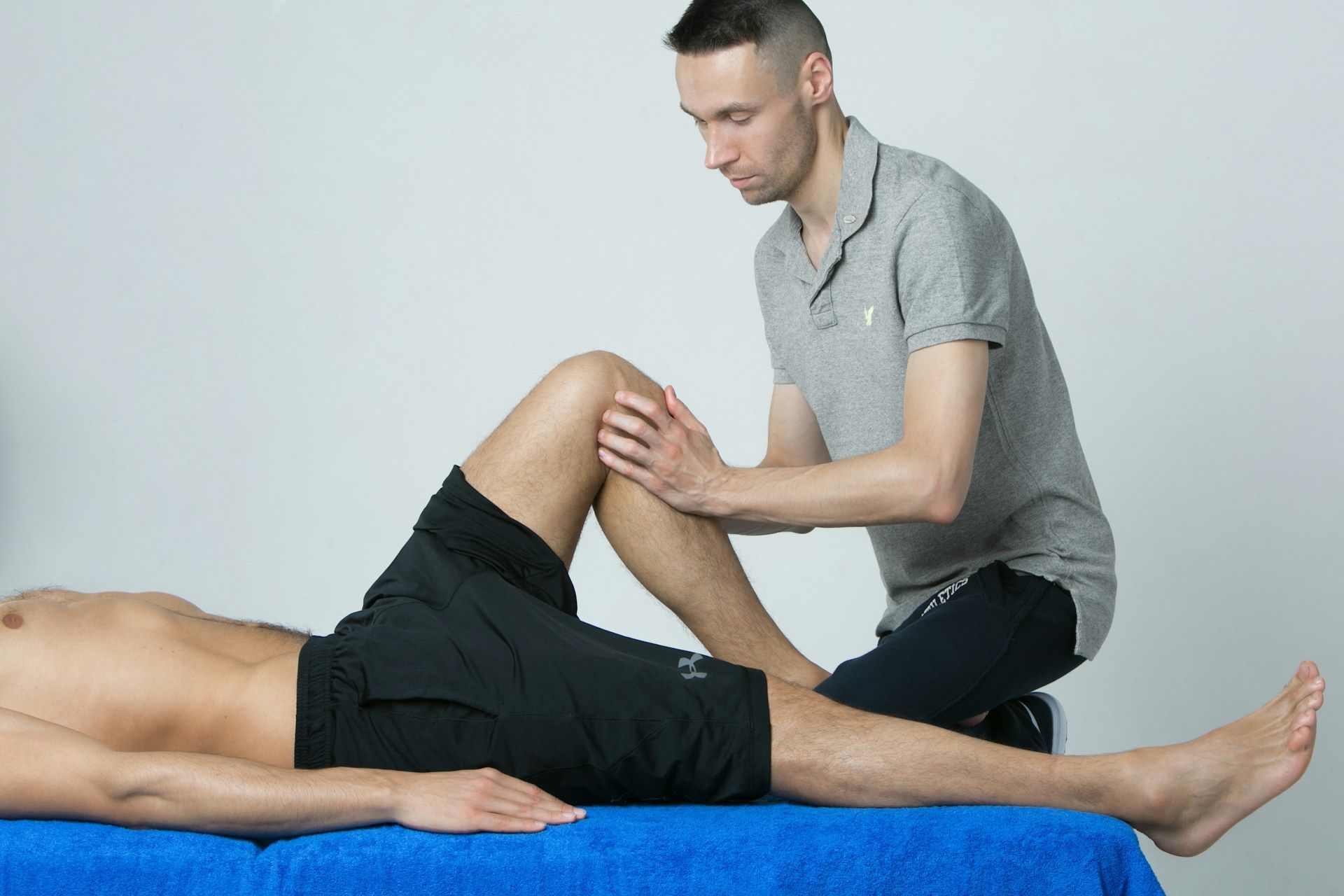
- Hands-on manual therapy to calm pain and improve tissue motion
- Targeted mobility work to free up stiff ankles, hips, or spine
- Progressive loading, like smart strength training for calves, quads, hamstrings, and glutes
- A return-to-run plan with clear steps for adding distance, speed, and hills
- Sport-specific conditioning that prepares you for road, track, or trail demands
The goal is to move you from pain relief to strong, confident performance, not just to the point where you can walk up stairs.
Building a Smarter Training Plan with Your Physio
Physiotherapy for runners works best when it fits with your training, not against it. Your therapist and your coach should be on the same team, helping you stay on the starting list while you heal.
A smart plan can match your care with your training cycle:
- Base building in late summer with more strength and control work
- Harder race-prep weeks with tighter load management and recovery focus
- Post-race periods with more rebuilding to handle the next block
Together, you and your therapist can look at:
- Weekly mileage and how fast it is rising
- Mix of easy runs, tempo runs, intervals, and long runs
- Where to place strength days so they support, not crush, your workouts
- Recovery ideas like light mobility, easier cross-training, and smart rest days
A big part of long-term success is filling in strength and stability gaps. Many runners benefit from simple, focused work on:
- Glutes and hips for better control and power
- Core strength for better posture and breathing
- Calves and feet for better push-off and shock control
These drills can slide into your pre-run warmup, post-run cooldown, or off-day work, so they fit your life instead of becoming another chore.
Your Next Step Back to Strong, Confident Racing
Lingering pain, tightness that will not fade, or a “nagging” injury that keeps coming back is not just a health issue, it is a performance problem. If you are training for fall marathons, road races, or cross-country meets, waiting until it “really hurts” often means missing the race you care about most.
Physiotherapy for runners gives you a clear plan to recover, rebuild, and get back to racing with confidence. When you work one-on-one with a sports-focused team like ours at Rebound Physical Therapy in Central Connecticut, care is built around your sport, your goals, and your body, so you can return to the starting line ready to compete, not just to participate.
Get Expert Support To Run Farther And Feel Better
If you are dealing with nagging pain or want to boost your performance, our specialized
physiotherapy for runners can help you move with more confidence and less risk of injury. At Rebound Physical Therapy, we tailor every session to your training goals, race calendar, and current limitations. We will assess how you move, address the root causes of discomfort, and guide you with a clear, realistic plan. Ready to take the next step toward stronger, more efficient running?
Contact us to schedule your first session.
Recent Blog Post