What Happens When a High School Athlete’s Physical Therapy Starts Early
Start Faster, Stay Stronger: Why Early Rehab Matters
When you are a high school athlete, every week of the season matters. Missing games because of pain or injury can feel like the end of the world, especially when your team is counting on you. That is why what you do in the first few days after you get hurt can make a huge difference in how fast and how safely you get back on the field or court.
Starting physical therapy early means you are getting checked within days of feeling pain, not weeks later when it has gotten worse. For many athletes, that means getting looked at after the weekend tournament, not waiting until you can barely walk at school. With early help and one-on-one, performance-focused care, you give yourself the best shot at returning to play sooner and with fewer setbacks.
How Injuries Really Affect High School Athletes
Across high school sports, we see a lot of the same injuries, no matter the school colors or mascot. Different sports stress the body in different ways, but the problem areas are often similar.
Common injuries in high school athletes include:
- Ankle sprains in sports with cutting and jumping, like basketball and soccer
- Knee pain and ligament injuries in football, soccer, and lacrosse
- Shoulder and elbow issues in baseball, softball, swimming, and volleyball
- Overuse injuries in cross country and track, such as shin and hip pain
Many athletes try to keep playing through pain. At first, it might feel like no big deal. You tape it, you warm up a little longer, and you think you are fine. But pain almost always causes you to move differently. You might land more on one leg, twist your trunk to avoid stress, or stop using your arm the way you normally do.
Those small changes can lead to:
- Poor movement habits that are hard to break later
- More pressure on other joints, which can cause a new injury
- Longer recovery times when you finally have to stop
- Missed school time because the pain starts to affect walking, sitting, and sleeping
Pain does not only affect your body. It can hit your confidence too. You may start to pull back from plays you used to go all in on. You might hesitate to cut hard, jump for a ball, or dive for a save. If you are hoping to play in college, every practice and game feels important. Losing time, or playing at half speed, can feel scary and frustrating.
What Happens When Physical Therapy Starts Early
Early physical therapy for high school athletes is not about putting you on the sidelines for weeks. It is about getting clear answers fast and building a plan that matches your sport and your season.
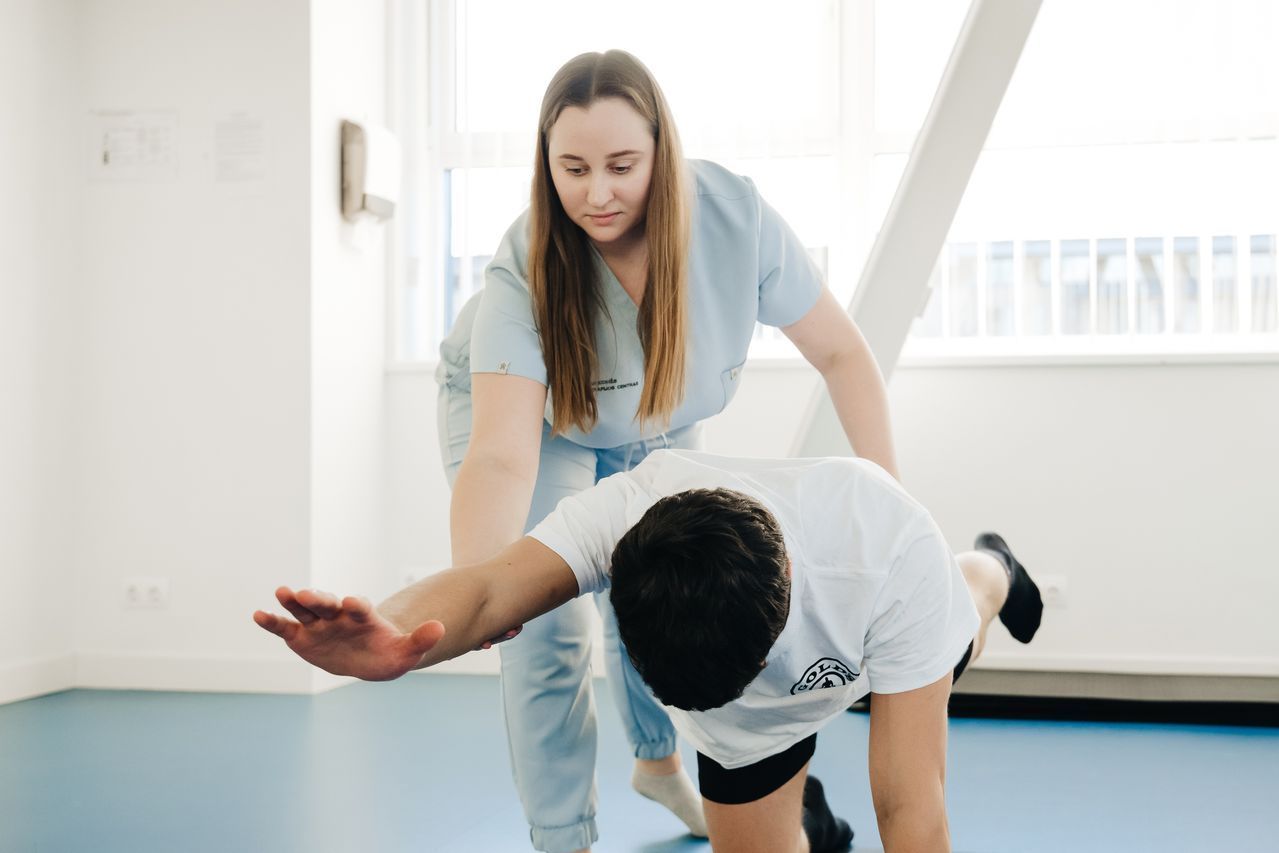
In the first visit, early-stage care often includes:
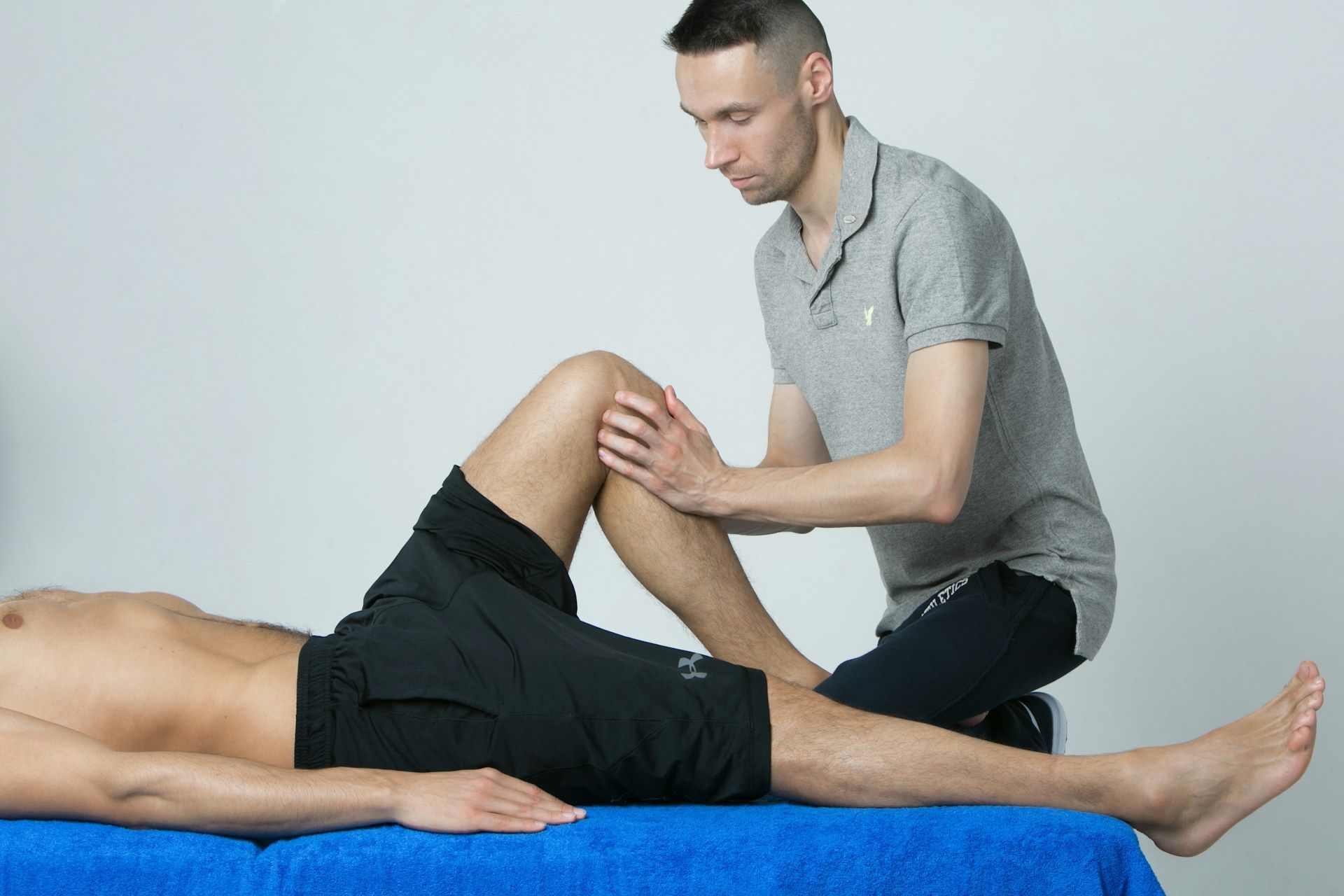
- A detailed evaluation of your injury and how it happened
- A full-body movement screen to see how you run, jump, land, or cut
- Simple tests to check strength, flexibility, and balance
- A clear plan that explains what you can do right now, not just what you must stop
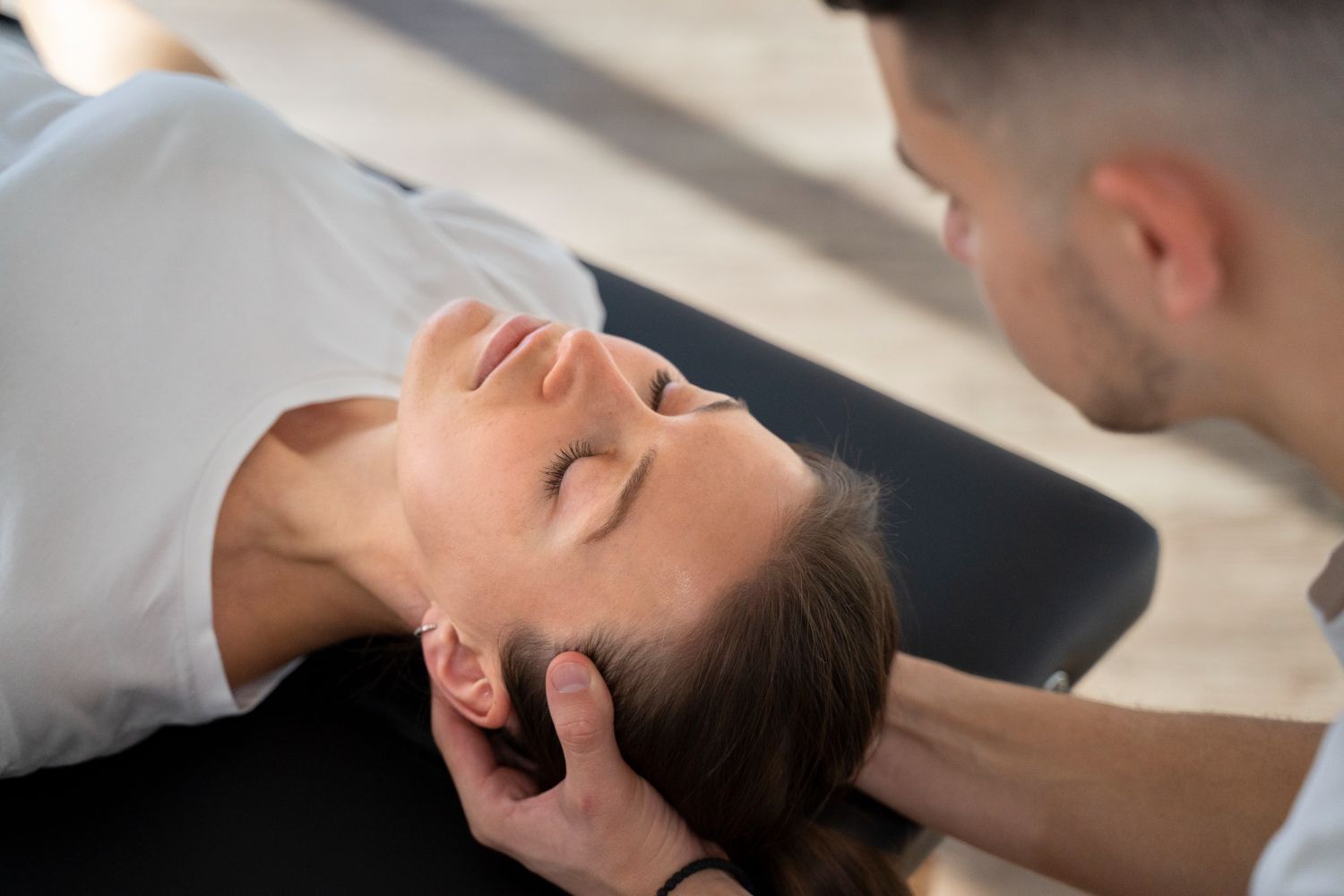
When care starts early, we can help control swelling and pain before they get out of hand. That might mean targeted hands-on work, early activation of key muscles, and specific movements to keep the injured area as healthy as possible without making things worse.
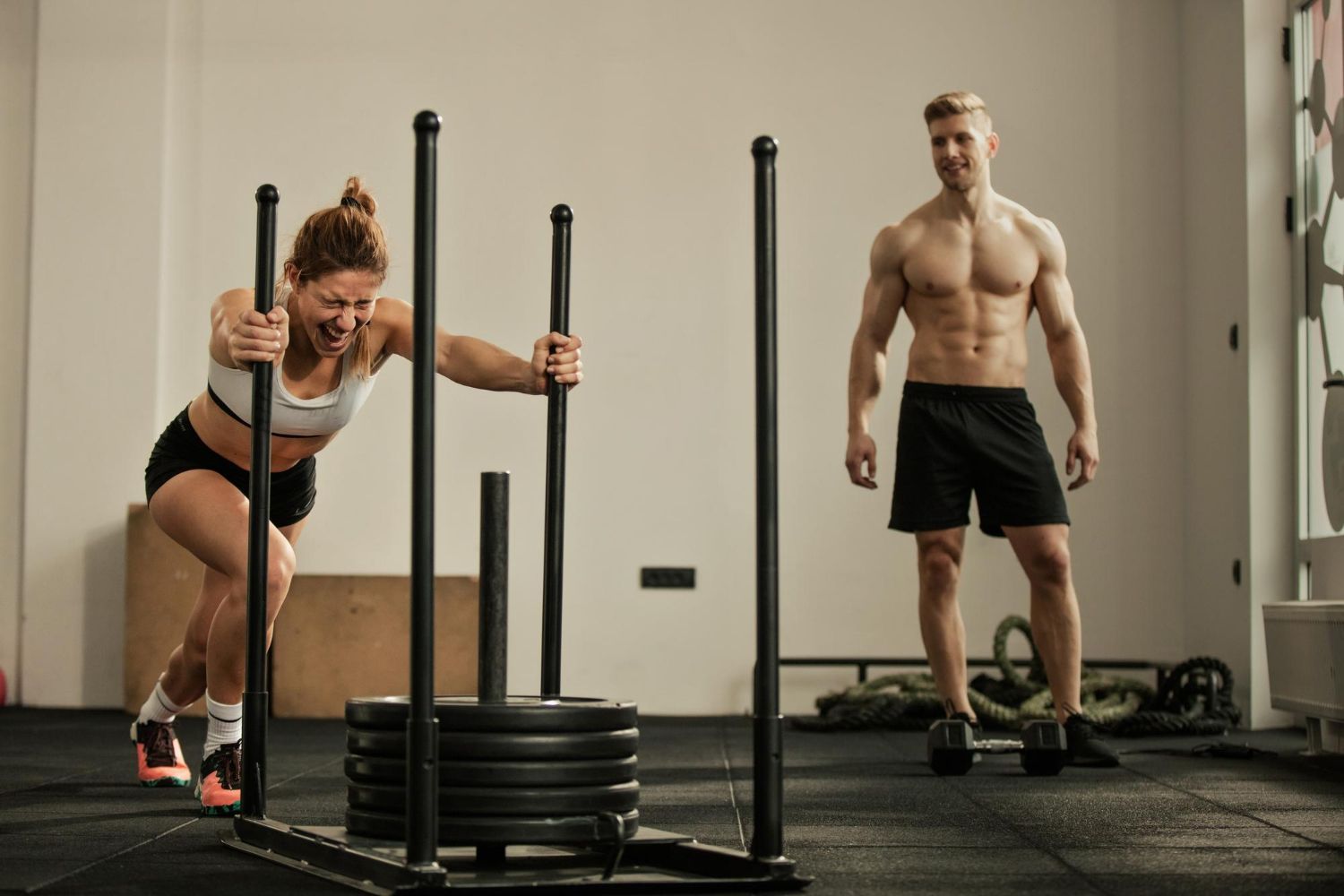
One of the biggest benefits of early care is that we can keep the rest of your body strong. If you hurt your ankle, we can still train your hips, core, and upper body. If your shoulder is the problem, we can keep your legs and trunk powerful. This helps you avoid losing all the fitness you worked so hard to build.
Starting early often leads to:
- Fewer missed practices and games
- A smoother step-by-step return to your sport
- Lower risk of the same injury popping up again later in the season
Building a Sport-Specific Game Plan, Not Just Rest
General advice like “just rest it” or “do these three stretches you found online” rarely matches what a competitive high school athlete actually needs. Your sport, your position, and your schedule all matter.
A sport-specific rehab and training plan might include:
- Football: cutting and sprint drills for wide receivers, contact prep for running backs, line-specific work for linemen
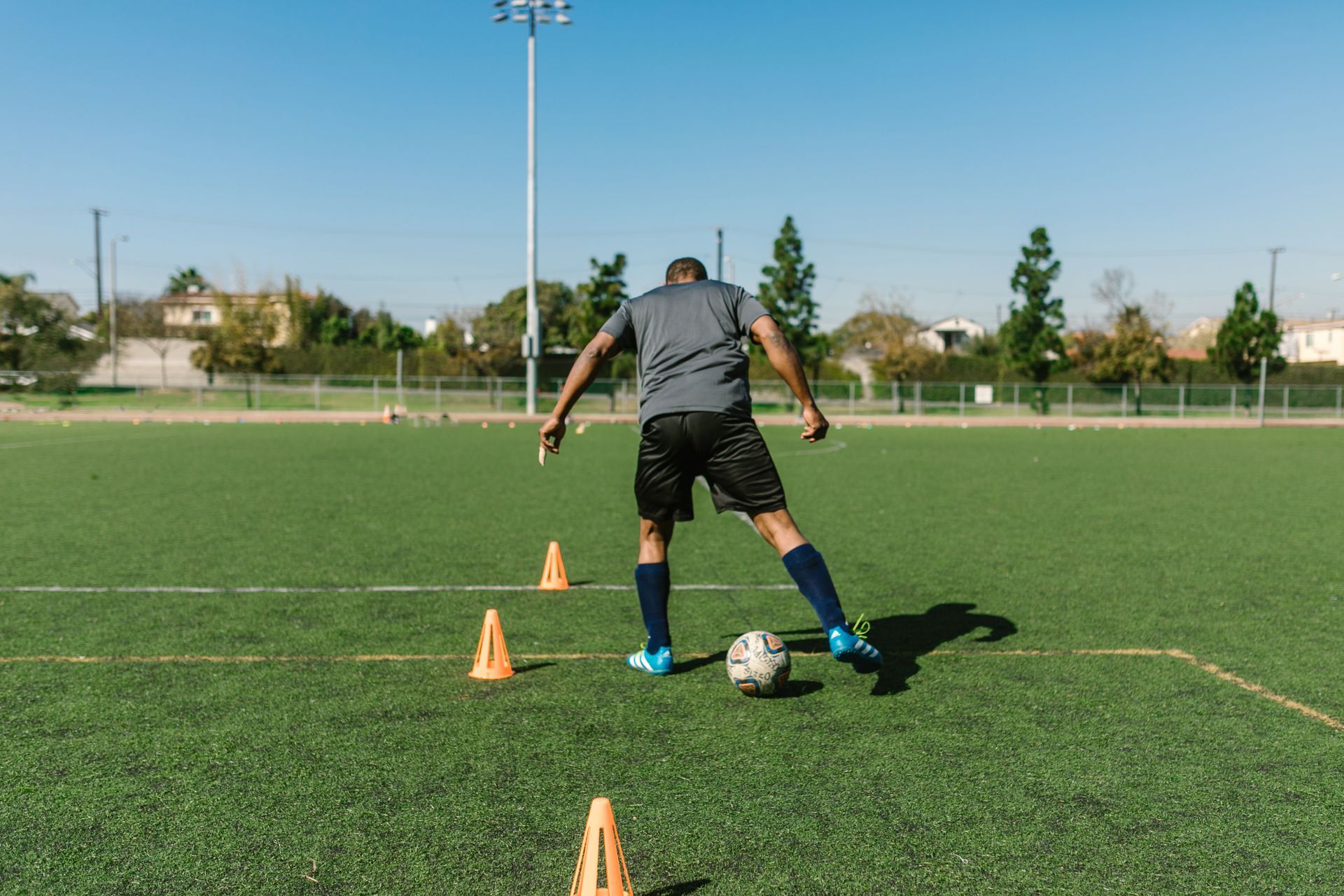
- Soccer and lacrosse: change of direction, deceleration, and single-leg control for midfielders and defenders
- Baseball and softball: throwing progressions, shoulder stability, and rotational power for pitchers and fielders
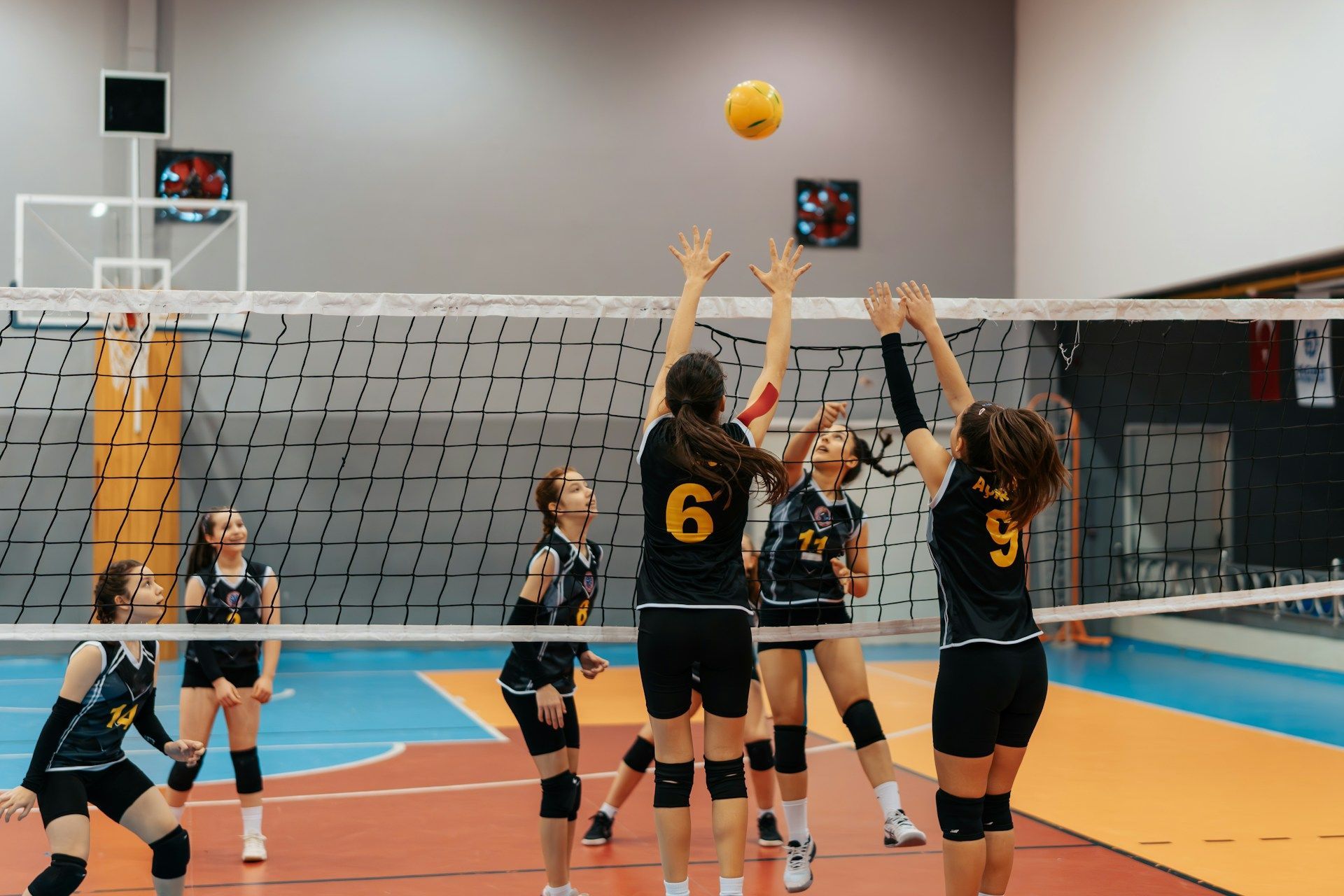
- Volleyball and basketball: jumping and landing mechanics, approach work, and lateral quickness
Our goal is to make your rehab look and feel more like practice, just with smart limits and close guidance. As you heal, the drills progress from simple and controlled to fast and reactive, similar to what actually happens in a game.
Before an athlete returns to full-play, performance testing matters more than just “it does not hurt anymore.” We look at things like:
- Strength ratios between legs or arms
- Single-leg balance and control during landing and cutting
- Quality of jumping and landing mechanics
- Conditioning levels so you can handle a full game, not just warm-ups
When those boxes are checked, you and your coaches can feel more confident that you are truly ready.
In-Season Vs. Off-Season: Timing Your Rehab Right
The right plan for physical therapy looks different during your season compared with your off-season. When you are in the middle of fall sports, the goal is often to calm pain quickly, protect the injured area, and keep you involved in your sport as much as is safe.
In-season, early physical therapy usually focuses on:
- Fast pain and swelling control so you can move better
- Finding ways to modify practice instead of skipping everything
- Helping you and your coach make smart game-time decisions
- Keeping conditioning up without stressing the injured area too much
Off-season work gives us more room to build deeper strength, power, and speed. This is where we can really address old movement issues that may have set you up for injury in the first place. If you start in the middle of the fall, you can often head into winter and spring sports in a better place than before you were hurt.
With one-on-one care, your program is never just a generic sheet of exercises. It can change week to week as your schedule and body change. That might mean:
- Ramping up training during lighter parts of your schedule
- Pulling back slightly during playoff weeks so you are fresh but still ready
- Shifting into more advanced performance training once the injury has healed
This kind of constant adjustment is a big reason why early care works so well. You are not guessing. You always know what to work on and what to avoid.
Take the First Step Back to Your Sport
When something hurts and does not feel normal, that is your body sending an early warning sign. Treating that signal like a small problem to solve now is much better than waiting until it becomes a season-ending issue.
For high school athletes in Newington and the Greater Hartford area, early, one-on-one, sport-specific physical therapy can make the difference between watching from the bench and stepping back into the game stronger and more confident. At Rebound Physical Therapy, we help active teens and young adults return to the sports they love without rushing, without guesswork, and without relying on long-term pain medication or surgery whenever possible.
Help Your High School Athlete Return Stronger and More Confident
If your teen is working through an injury or struggling with recurring pain, we are here to guide their recovery with targeted care tailored to their sport. Learn how our specialized
physical therapy for high school athletes can support safer performance, reduce re-injury risk, and build long-term strength. At Rebound Physical Therapy, we collaborate with families, coaches, and athletes to create a clear, achievable plan back to the field, court, or track. Have questions or ready to schedule an appointment?
Contact us so we can help your athlete get back to what they love.
Recent Blog Post