Game-Speed Basketball Injury Rehabilitation for Explosive Guards
Regain Your First Step: Rehab Built for Explosive Guards
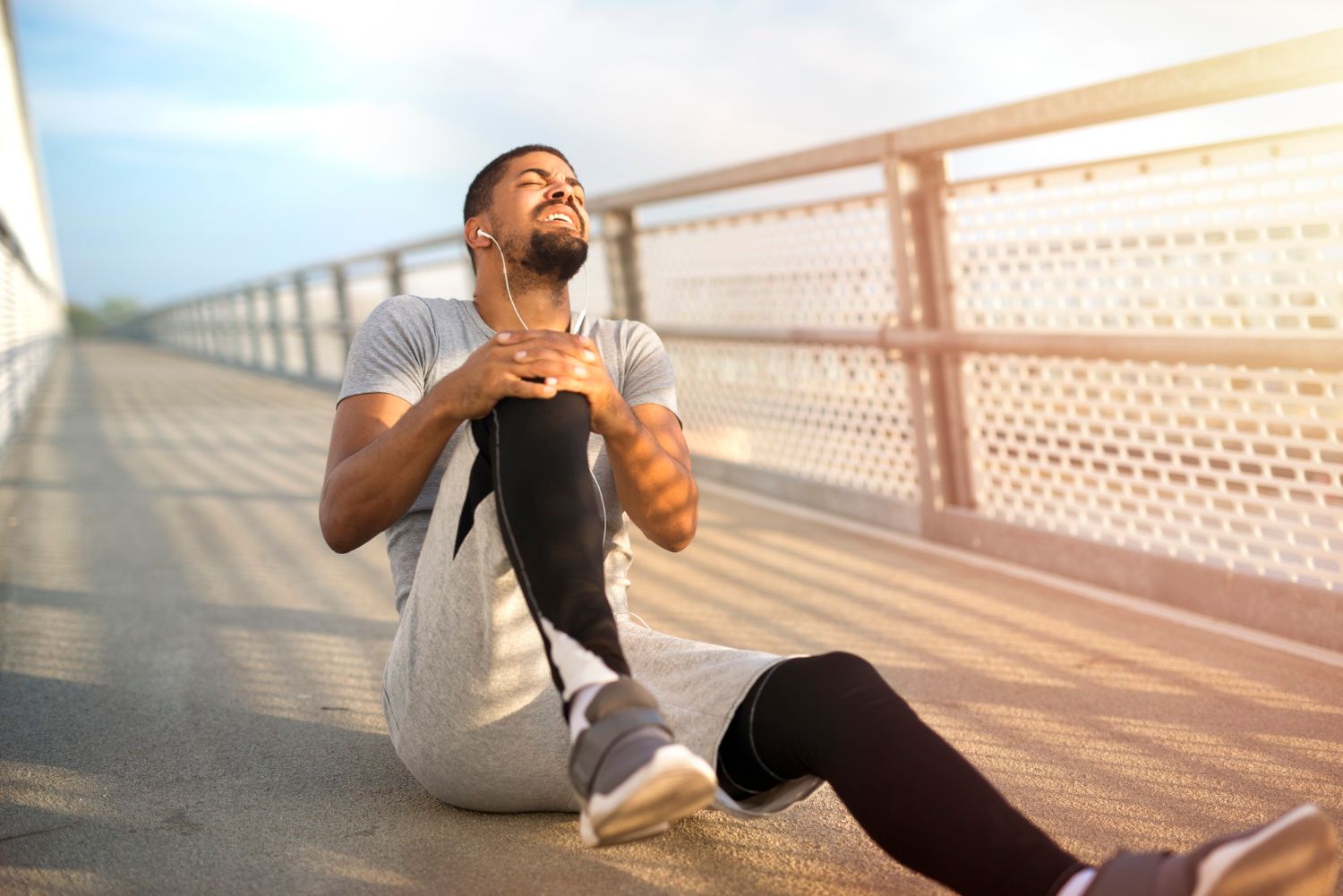
Coming back from a basketball injury is tough, especially when your whole game is built on being fast, shifty, and tough to guard. Your doctor might say you are cleared, but if your first step feels slow or your plant leg feels shaky, you know you are not really back yet.
Many quick guards and active adult hoopers get stuck in that in-between zone. The ankle, knee, or hip is not screaming in pain anymore, but the burst is not there. That is usually because rehab focused on basic daily life, not actually blowing by a defender or sliding with a ball handler at full speed. In this post, we will walk through how basketball injury rehabilitation can be built for explosive guards, so you can move at game speed, protect your body, and attack the court with real confidence again.
Why Traditional Rehab Fails Explosive Backcourt Players
There is a big gap between being medically cleared and being able to cook a defender off the dribble or fight over a screen without thinking about your leg. Traditional rehab often checks the box of “normal function,” but being a guard is not normal function. It is short, violent bursts, hard stops, and quick direction changes over and over.
Standard rehab usually focuses on a few basic outcomes, like walking without a limp, building general strength on both legs, holding basic balance on one foot, and reducing pain and swelling. Those are important, but they are just the start.
Guards have a different set of performance demands, and rehab needs to reflect that. You need lateral quickness to stay in front of the ball, strong deceleration so knees and ankles can handle hard stops, repeated bursts like multiple drives in one possession, and confidence going into contact and landing off balance.
When players skip late-stage basketball injury rehabilitation or only rely on generic gym work, the limitations show up fast once the pace ramps up. Common signs include:
- A hesitant first step, even when the lane is open
- Fear on landings after a layup or rebound
- Slower closeouts on shooters
- Grabbing at the knee or ankle when the game pace ramps up
During league play and tournaments, that half-step slow feeling can change your whole role. You go from attacking to just trying to survive. That is not how an explosive guard should play.
Building the Foundation: Strength and Stability for Guards
To get your shiftiness back, we first need a strong base. Especially after ankle sprains, knee injuries, hamstring strains, or hip issues, guards need more than just “both legs feel about the same.” You need single-leg power, hip control, core strength, and balance that can keep up with your style of play.
Key physical qualities for guards include:
- Single-leg strength for drives, step-backs, and pull-ups
- Hip control so knees do not cave in when you cut
- Core stability to stay strong through contact
- Ankle and foot strength to handle sharp changes of direction
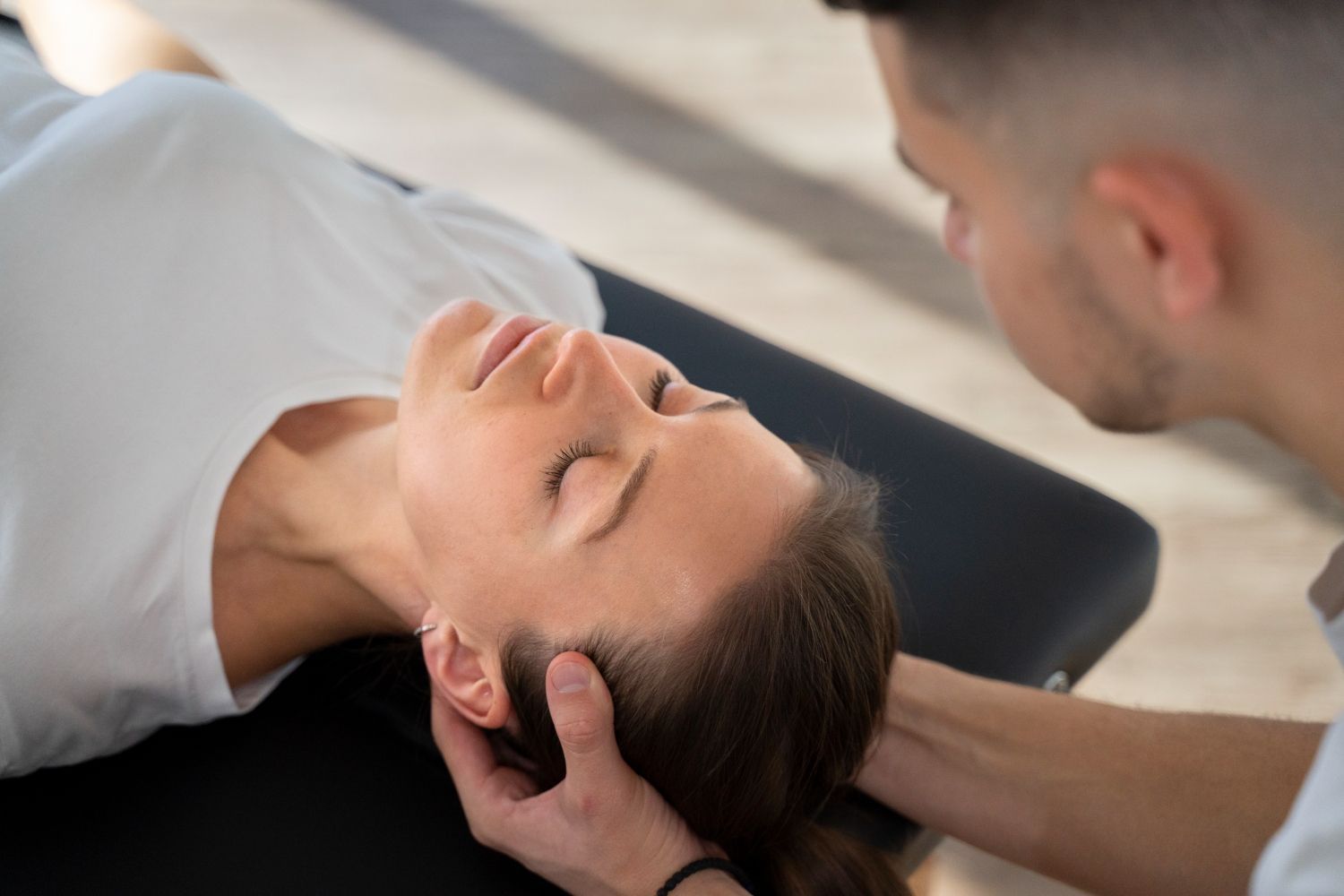
In one-on-one physical therapy, we can slow things down and focus on what your game actually looks like. For example, if you live on step-backs or quick pull-ups, your plant leg has to be rock solid. If you attack the rim a lot, your landings have to feel automatic, not scary.
Common foundational drills in this phase might include:
- Single-leg squats or split squats to build power on each leg
- Single-leg deadlifts to train hip control and balance
- Lateral lunges to load the hips for side-to-side moves
- Anti-rotation core drills, like holds and chops, to keep your trunk from twisting out of control
- Targeted ankle and foot work so your lower leg can handle hard cuts and aggressive closeouts
This phase is not about babying you. It is about building trust in that injured side. When you can load that leg, push off it, and land on it without thinking, you are ready to shift into more explosive, game-like training.
Training at Game Speed: From Straight-Line to Shifty
Once the base is solid, rehab should start to look a lot more like basketball. Jogging on a treadmill is not the same as attacking off a ball screen or sliding to cut off a drive. Guards need multi-directional work at real speed, and the progress should move from simple to complex so you can own each layer before the next one.
We usually move in stages:
- Straight-line jogging to sprinting
- Controlled cutting to sharper cuts at higher speed
- Simple change of direction moves to complex guard patterns
Deceleration is a huge piece here. Many injuries happen when you stop, not when you start, so training has to teach your body how to absorb force and control hard brakes. Drills we commonly use include:
- Lunge and stick: step out fast, then stop and hold your position
- Drop steps for quick defensive reactions
- Shuffle-and-cut drills that mimic sliding then exploding to the ball
Court-specific work is where rehab starts to feel real because the movements stop being random and start matching the patterns you actually use in games. Examples include:
- Attacking cones like they are defenders, with crossovers and hesitations
- Game-tempo closeouts, then sliding to cut off middle drives
- Backpedal-to-sprint drills to mirror transition defense
- Simulated screen navigation so your legs learn how to plant, twist, and push without fear
To make sure you are truly progressing, we look at clear, objective things rather than guessing based on “feel.” That can include:
- Sprint times over short distances
- Change-of-direction tests, like shuttle or T-drill patterns
- Jump metrics for both legs, not just the healthy one
- Fatigue-based drills that test how you move when you get tired, just like late in games
When your movement looks clean at game speed, not just practice speed, you know you are getting closer to a safe return.
Return-to-Court Milestones for Confident Guards
Before an explosive guard goes back to full practice or games, there should be clear checkpoints. These are not just “does it hurt,” but “can you actually hoop the way you play?” The goal is to confirm your body can handle speed, chaos, and decision-making without hesitation.
Key physical milestones often include:
- Pain-free sprinting at near-max speed
- Jumping and landing on one leg without wobbling
- Hard defensive slides and cuts at near-max effort
- Quick changes from backpedal to sprint without hesitation
Late-stage basketball injury rehabilitation should feel like a controlled version of basketball, where the intensity and unpredictability build over time. That can include:
- Small-sided scrimmage scenarios at controlled intensity
- Contact preparation, like bumping in the lane or finishing through pads
- Conditioning that mirrors your role, minutes, and schedule
The mental side is just as important. Even when the body is ready, the mind might not be, and good rehab addresses that directly by reintroducing situations that used to feel risky. That process helps you:
- Rebuild trust in the injured joint with graded exposure
- Practice high-skill moves again, like euro steps, step-backs, and contested landings
- Work through fear of re-injury by starting small and building up
Timing around your season matters too. For many guards, that means matching rehab to:
- Preseason work and tryouts
- Early-season league games
- Holiday and mid-season tournaments
- Playoff pushes
The goal is not to get you back at the first possible date, but at the right level, so when you return, you can actually do your job on the floor.
Take Back Your Explosiveness and Own the Season
Explosive guards cannot afford to settle for “good enough” rehab. If your game is built on speed, agility, and creativity with the ball, you need basketball injury rehabilitation that respects that. You should not have to choose between staying safe and playing the way you are meant to play.
At Rebound Physical Therapy in Newington, CT, we focus on one-on-one, sport-specific care that matches the pace and demands of real basketball, especially for active adults and competitive athletes. With the right plan, you can rebuild your foundation, train at true game speed, and step back on the court with a first step that feels like yours again.
Get Back In The Game With Targeted Rehab Support
If you are ready to recover fully and return to the court with confidence, our team at Rebound Physical Therapy is here to guide you through personalized
basketball injury rehabilitation. We focus on restoring your strength, mobility, and performance so you can play without second-guessing your body. To schedule your first session or ask questions about your recovery plan,
contact us today.
Recent Blog Post