Offseason CrossFit Injury Recovery That Protects Your Next Open
Turn Your Offseason Into a Comeback Season
Offseason is the best time to deal with that shoulder, back, or knee that has been bugging you on the field or court. The season is still months away, which means you finally have space to focus on real injury recovery for your sport instead of just backing off reps and hoping it magically feels better by the first game. What you do now decides if you show up ready to compete or spend another year playing through pain and limitations.
We know how frustrating it is when your body holds you back from the sport you love. You want to start, log serious minutes, and push for the playoffs, not sit out practices or avoid certain drills because of one angry joint. The good news is that your offseason can be more than just "rest"; it can be your comeback plan.
At Rebound Physical Therapy in Newington, CT, we work with active adults and U.S. sport athletes, from football, basketball, and baseball to soccer and track and field, who want to get back to full training, not just get through daily life. With a focused plan, this offseason can turn your current injury into an edge over athletes who just keep grinding and hoping for the best.
Why Offseason Is Prime Time for Sport-Specific Injury Recovery
When you are not in the middle of your competitive season, the pressure shifts. You are not chasing weekly stats, pushing through back-to-back games, or trying to impress coaches while banged up. That mental break opens the door for real, focused recovery instead of quick fixes.
During the offseason, you can drop intensity for a while without feeling like you are losing your edge, shift your weekly plan toward strength and quality movement, and give tissues time to calm down while you stay active. It is also a natural window to work on the weaknesses that never get attention during peak season.
This is also the time of year when life shifts anyway. Colder weather, darker evenings, and busy schedules already change your training rhythm. Instead of fighting that reality and trying to out-tough pain, you can use it. Slowing down high-intensity work, trimming volume, and focusing on capacity and strength now makes your body more prepared when practices and games ramp back up.
Common Injuries That Threaten Your Next Season
Most sports injuries do not show up out of nowhere. They build over weeks or months of high volume, fatigue, and small movement flaws. By the time the season hits, that small ache can turn into the thing that keeps you off the field or court.
Common problem areas include:
- Shoulders and upper body
- Rotator cuff irritation from repeated throwing, blocking, or overhead shooting
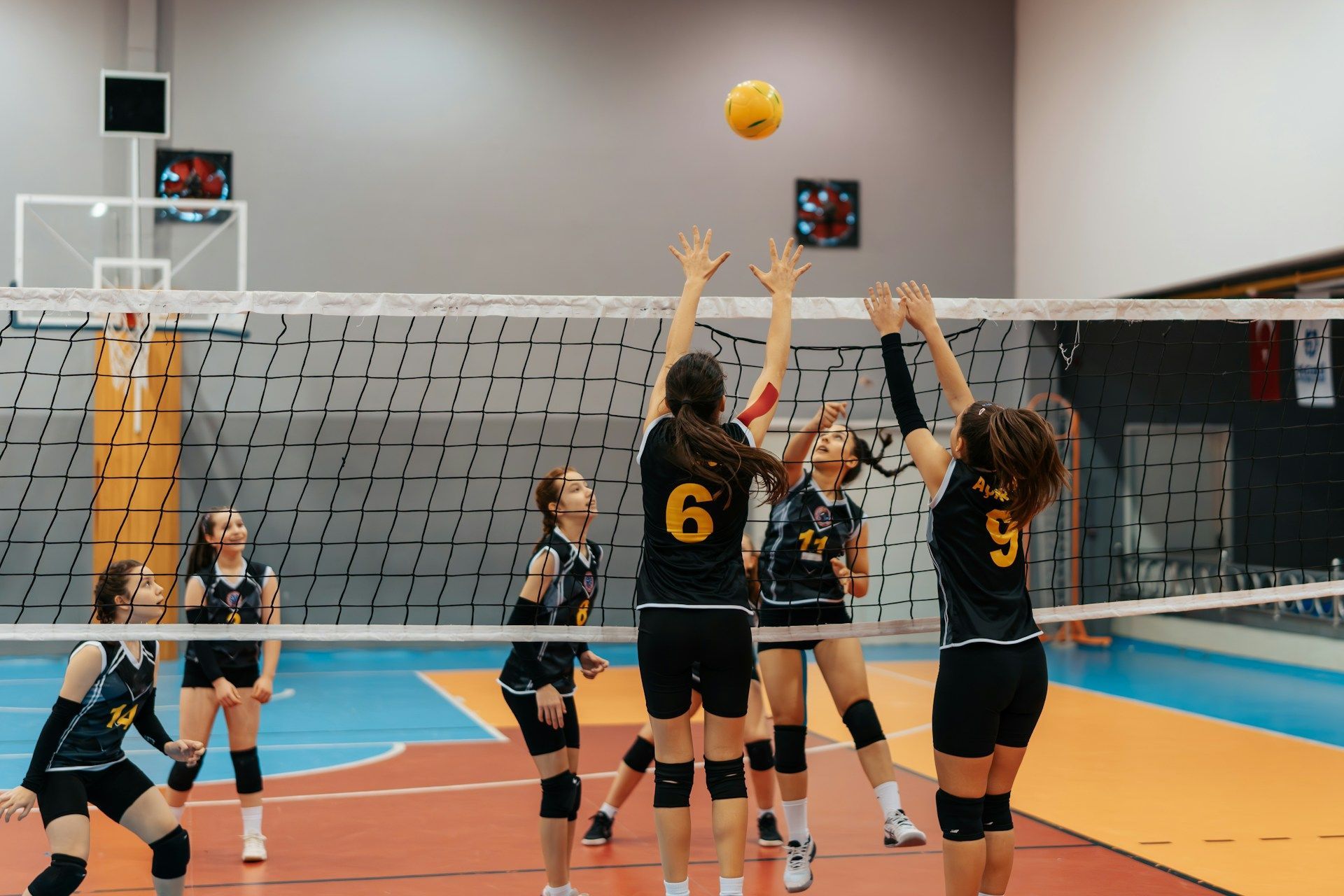
- Biceps tendon pain from passing, tackling, or overhead work in sports like volleyball or basketball
- Labrum-related pain with repeated overhead motion, contact, or heavy lifting in the weight room
- Low back and hips
- Back strains from repeated sprinting, cutting, and contact
- Disc irritation when bracing breaks down under heavy lifting or late-game fatigue
- Hip impingement with deep squats, explosive jumps, and rapid change of direction
- Knees and ankles
- Patellar tendon pain from jumping, sprinting, and repeated stops and starts
- IT band irritation with high running volume and cutting
- Ankle stiffness or sprains from jumping, landing, and awkward tackles
These issues often start as "just a nagging thing" that you can warm up through. Then the season adds more volume, more intensity, and less rest. That is when pain takes over your role, your confidence, and your performance.
Building a Smart Rehab Plan for U.S. Sport Athletes
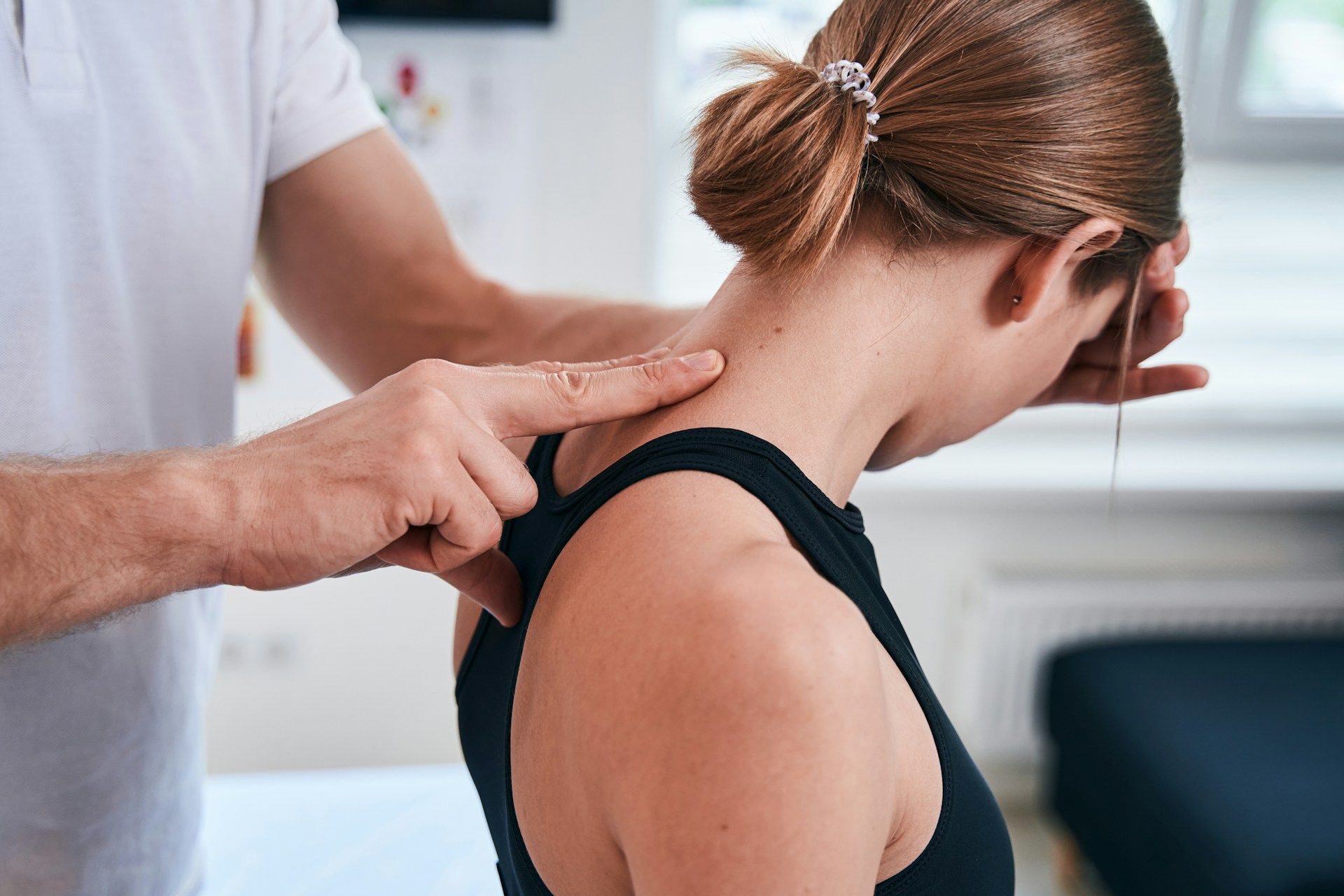
A smart injury recovery plan starts with understanding how you move in your sport, not just where you hurt. A performance-focused physical therapist will look at how you sprint, cut, jump, land, throw, hit, or shoot, then break down the specific positions and skills that give you trouble.
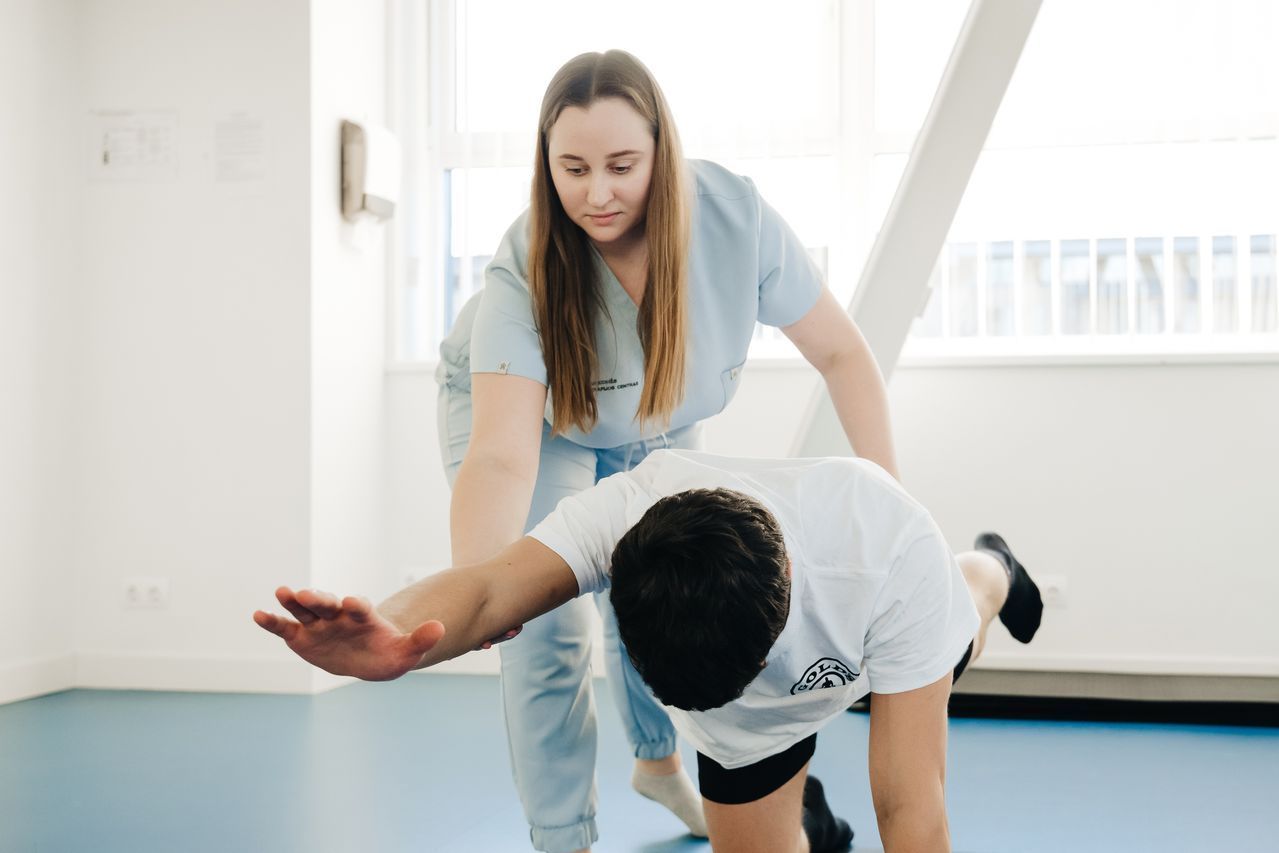
A solid plan usually moves through a few stages:
- Calm symptoms
- Reduce irritation and swelling
- Change painful ranges or positions
- Keep you moving, but in ways your body can tolerate
- Restore mobility and stability
- Gain motion where you are stiff
- Add control in joints that feel "loose" or unstable
- Connect breath, bracing, and positioning to the lifting and movement patterns you need for your sport
- Rebuild strength and power for sport
- Load patterns that match your game demands, like sprinting, cutting, jumping, or throwing
- Add tempo work, pause positions, and strict strength
- Gradually reintroduce speed, impact, and game-like situations
The goal is not to pull you out of your sport entirely. A good plan blends PT sessions, targeted accessory work, and smart modifications in your training and practice. You stay around your team environment while your body actually moves forward instead of sideways.
Offseason Training Adjustments That Protect Your Next Season
You do not need to give up your identity as an athlete to protect your body. Offseason is the time to keep your training style, but tweak the dials so your joints can catch up.
Start by adjusting intensity, not identity. That might mean swapping repeated all-out scrimmages for controlled drills and conditioning, using lighter loads with tempo and pauses in the weight room, and shortening some workouts slightly to keep quality high.
Next, prioritize strength, stability, and capacity so you can handle the demands that spike when your season returns. Build lower-body strength for sprinting and jumping before adding more high-impact sessions, add single-leg work to support knees and hips during cutting and landing, and train trunk stability with carries, anti-rotation, and holds, not just sit-ups.
Finally, use the offseason to clean up technique and movement patterns that quietly overload your joints. Work on sprint mechanics and change-of-direction technique, practice solid landing and jumping positions with light load, and drill efficient throwing, hitting, or shooting mechanics so your joints do not take unnecessary stress.
These changes do not make training easy; they make it smarter. You are still working hard, but in a way that sets up better performance and more availability later instead of more time on the sidelines.
When to Call in a Sports PT Versus Just Pushing Through
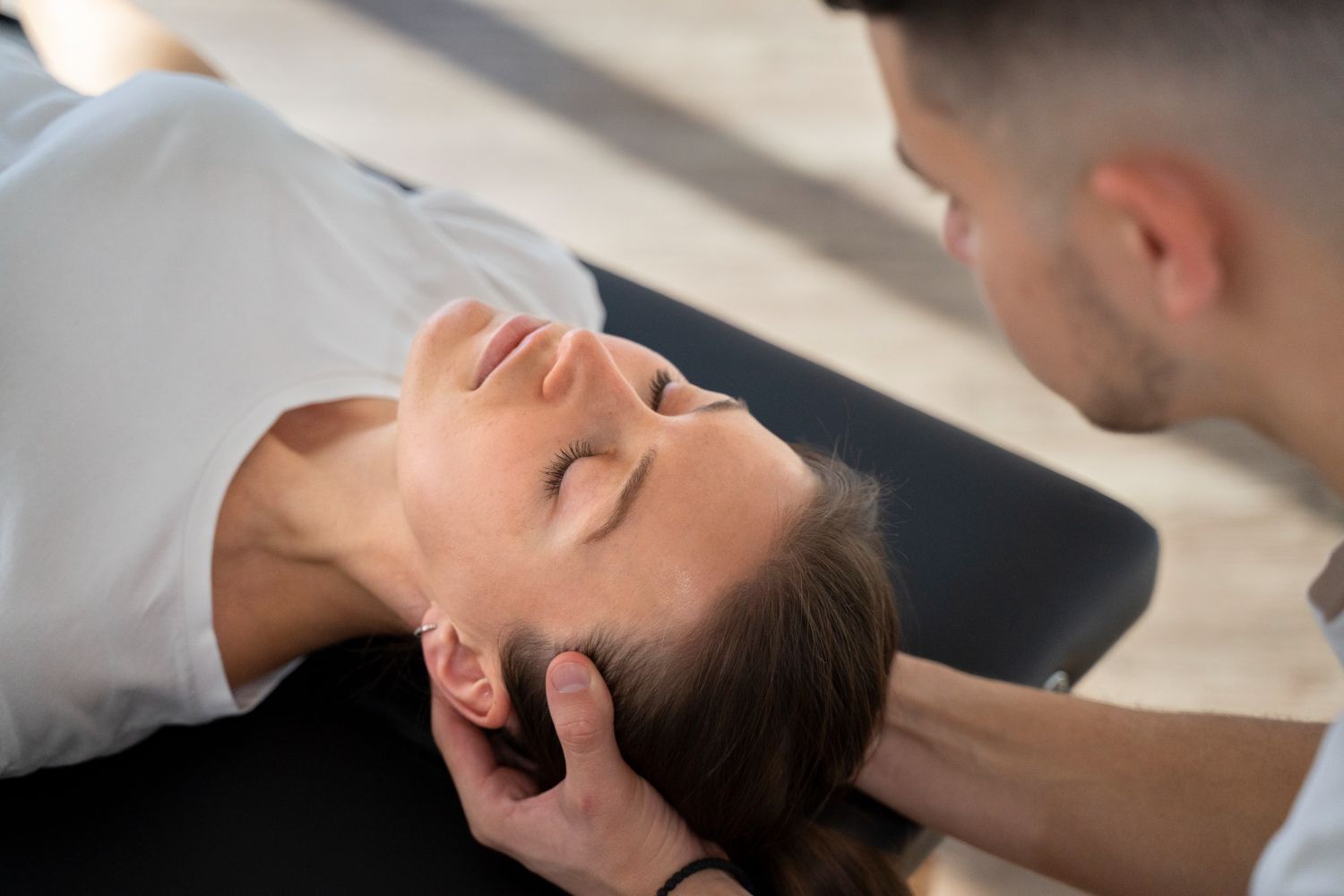
Playing through some discomfort is part of being an athlete, but it is not a long-term solution for a real injury. At some point, you need expert eyes to figure out why that same joint keeps flaring up.
It is time to get checked by a sports physical therapist if you notice:
- Pain that lingers longer than a week, even with rest
- Night pain that wakes you up or keeps you from finding a good position
- Sharp, catching, or locking sensations in a joint
- Repeated "tweaks" in the same area
- Always needing to modify the same drills or avoid certain positions
Random stretches or generic rehab videos might feel good for a moment, but they rarely match the speed, contact, and volume that come with U.S. sports like football, basketball, baseball, soccer, or track and field. Your body, your training history, and your goals are specific. Your rehab should be too.
At Rebound Physical Therapy, we focus on active adults and athletes who want to keep their sport in the picture. Being local to Newington makes it easier to coordinate with your coaches, adjust your programming, and map out a clear path back to full training and competition.
Lock in Your Plan Before the Season Starts
The next season always feels far away until the first practice or game. Then it comes fast. If you start your injury recovery plan now, you give yourself time to calm symptoms, rebuild strength, and test your movements before your performance really counts.
This offseason does not have to be a step back. It can be the stretch of time where you heal fully, move better, and train smarter. When the season starts, you deserve to think about your role and your game plan, not how much your shoulder, back, or knee will let you do.
Get Back To Confident CrossFit Training Faster
If you are ready to train hard again without worrying about re-injury, our team at Rebound Physical Therapy is here to help. Start with a personalized
CrossFit injury recovery plan built around your specific goals and current fitness level. We will guide you step by step, from pain relief to safe progressions back to the workouts you love. Have questions about your injury or scheduling an appointment? Simply
contact us to get started.
Recent Blog Post