Soccer Return-to-Play Testing: Benchmarks and Field Drills for Safe Return
Get Back on the Pitch With Confidence
Coming back from a knee, ankle, or hamstring injury can feel confusing. Your leg feels pretty good walking around, you can jog a little, and your trainer says you are “getting close.” But when your team starts hard preseason drills, you are not sure if your body is really ready for full training and contact.
That is where soccer-specific return-to-play testing comes in. Feeling good is only one piece of the puzzle. Without clear tests that match the speed, cutting, and chaos of a real match, the risk of re-injury stays high. With the right testing and focused soccer injury physical therapy, you get a clear plan that shows you exactly where you stand and what needs work before you rejoin training.
At our clinic in Newington, CT, we work with active adults and competitive soccer players who want more than “just rest.” We want you back on the field, confident, sharp, and ready to play at your best again.
Why Soccer Players Need Sport-Specific Testing
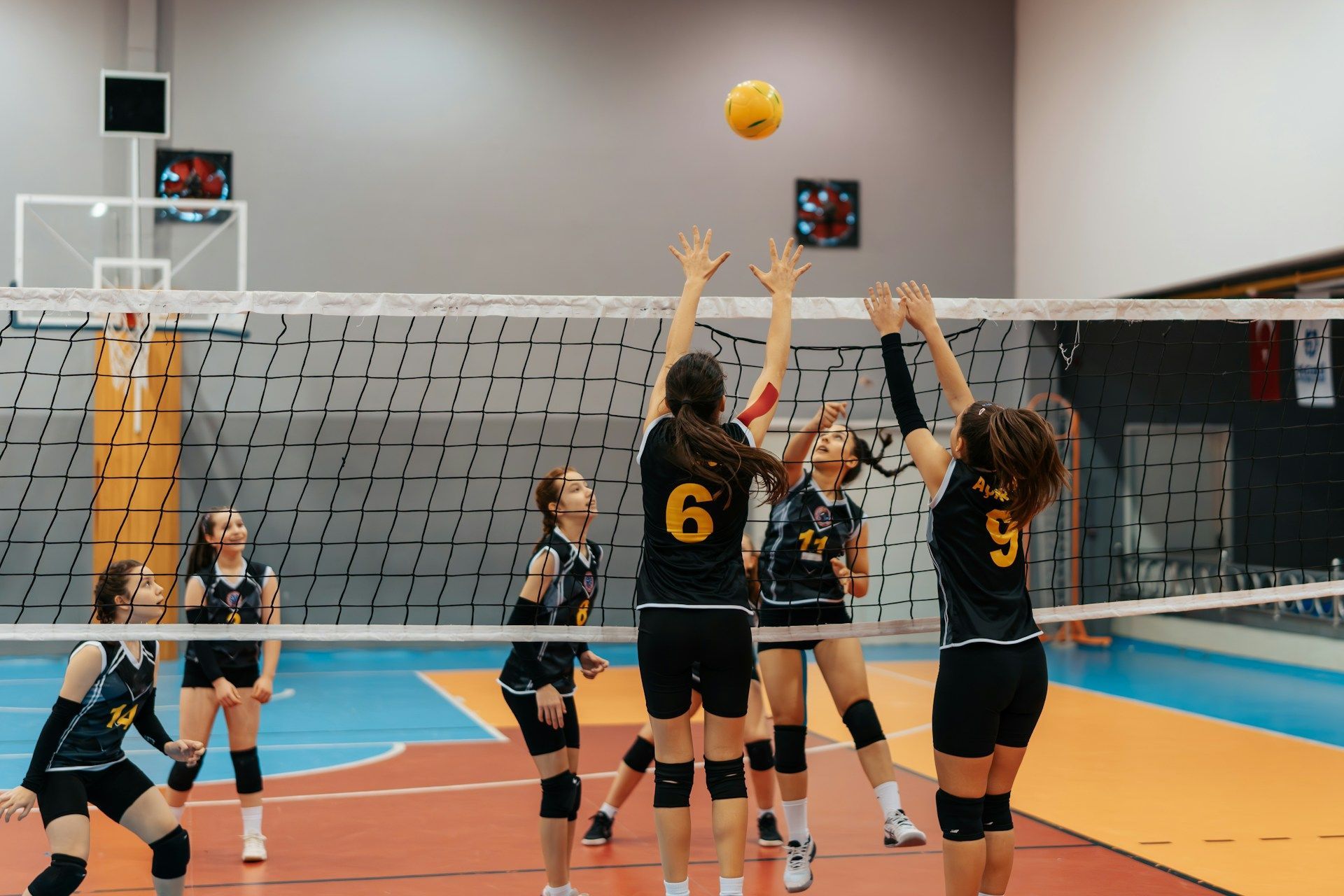
Soccer is not a straight line sport. You sprint, stop, cut, jump, fight for position, strike the ball, and absorb contact, often in a few seconds. Generic clearances like “you can walk without pain” or “you passed a basic balance test” do not match what your body faces in a 90-minute match or even a short-sided scrimmage.
Common soccer injuries all stress the body in different ways, such as:
- ACL or other knee ligament tears
- Meniscus problems in the knee
- Ankle sprains and instability
- Groin and hip flexor strains
- Hamstring pulls or tendon issues
Each of these does not just need to heal for daily life, they need to handle planting the foot, cutting away from a defender, sliding tackles, and fast changes in speed. That is a big jump from walking in a straight line.
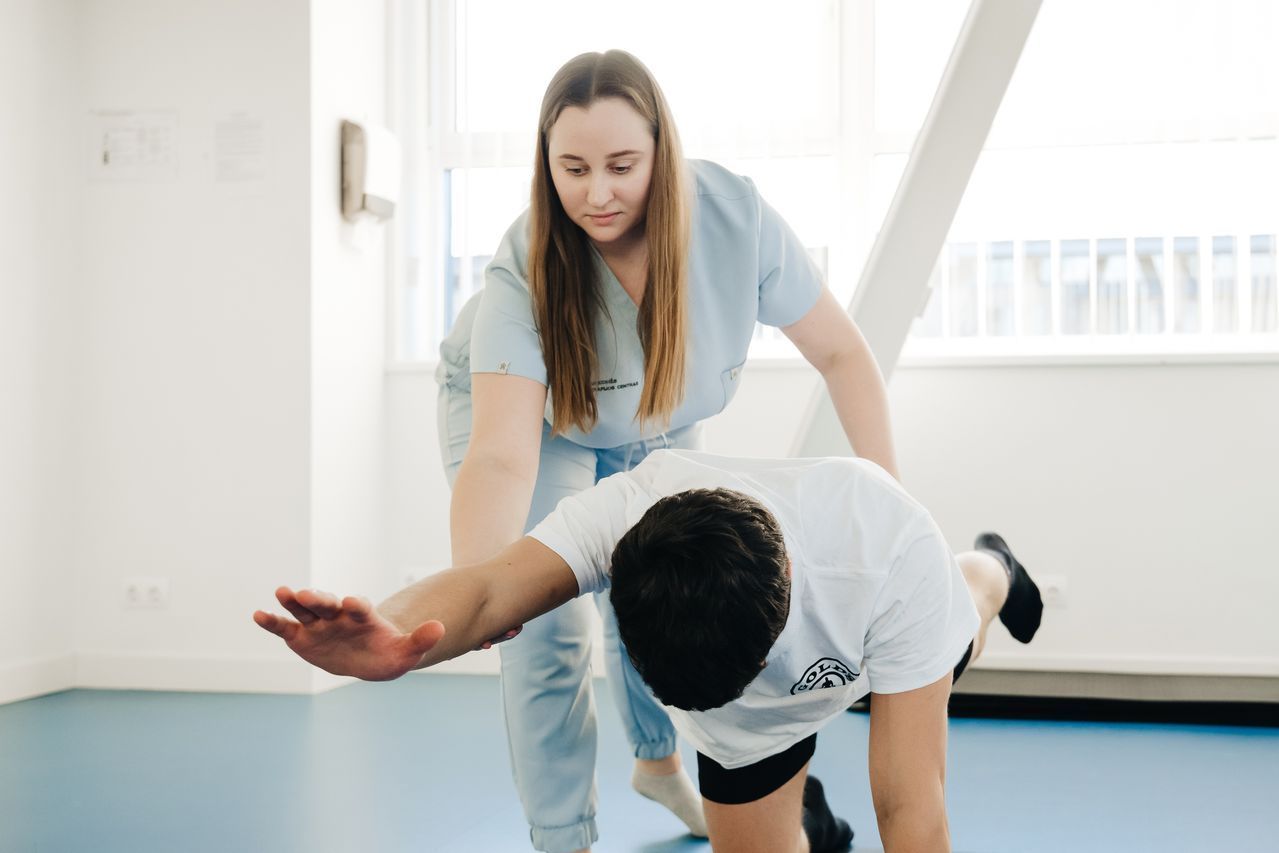
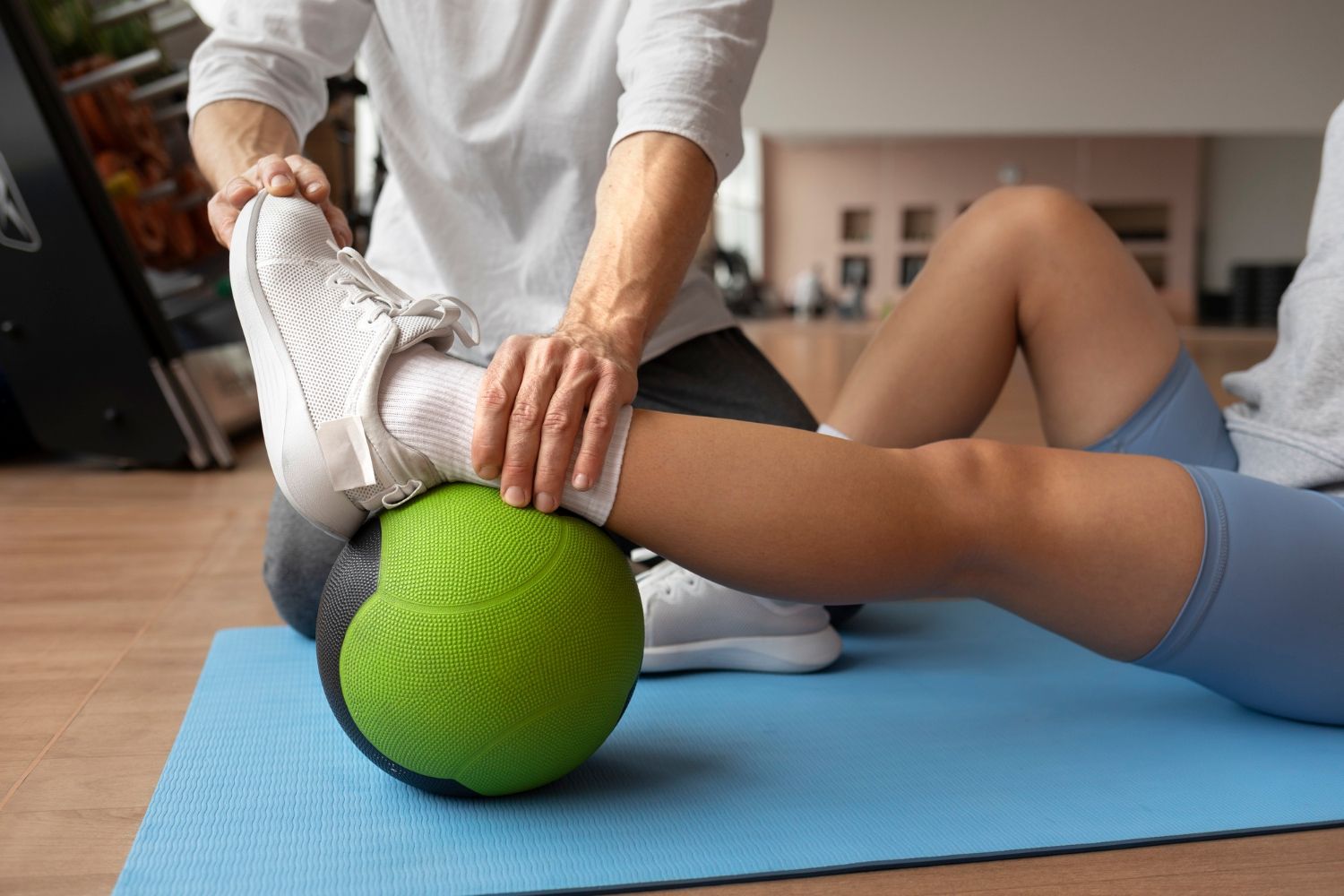
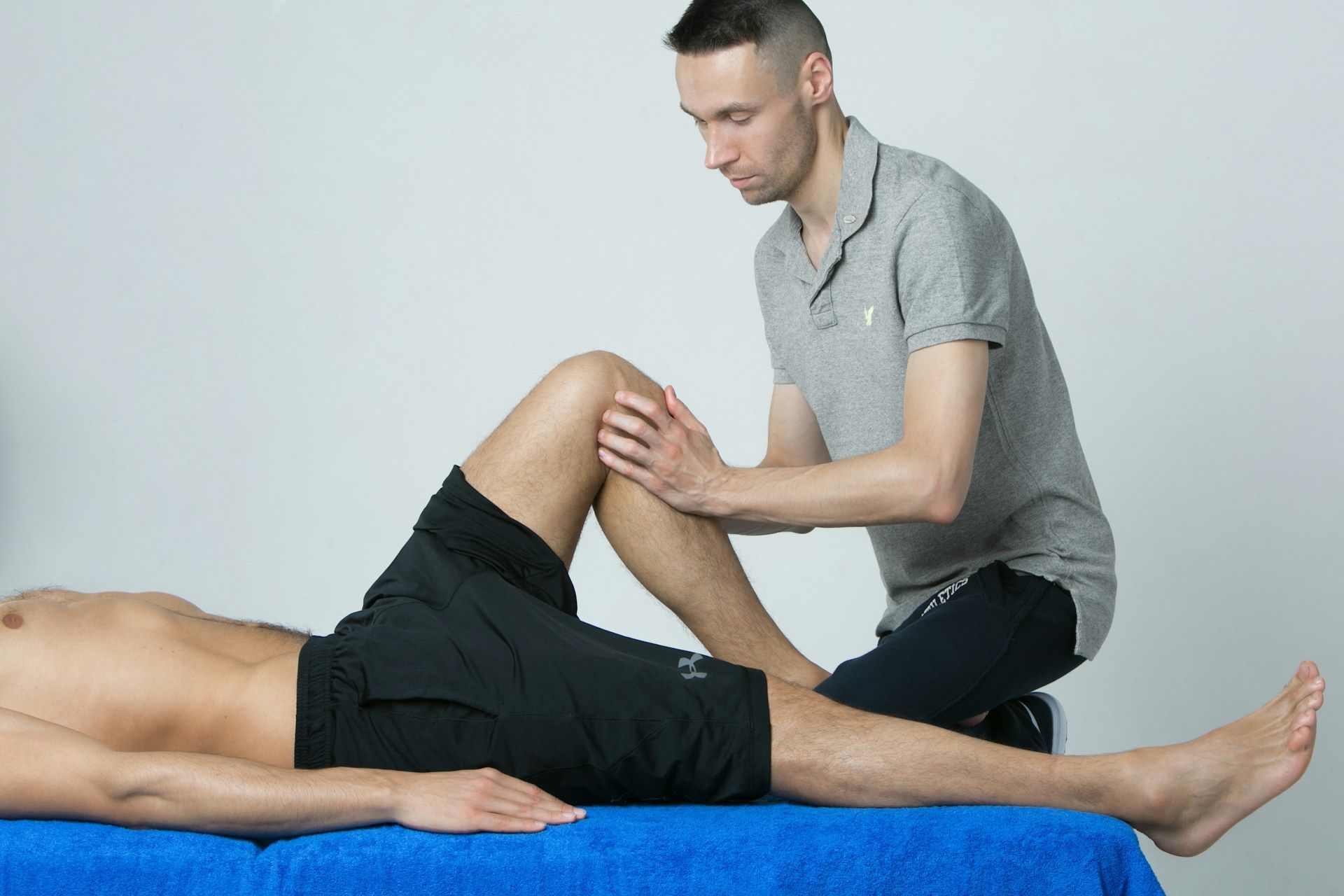
Soccer injury physical therapy is how we close the gap from the rehab table to the full field. We look at:
- How the injured area is healing
- How the whole leg and core move and share load
- How your body handles soccer-specific patterns like shuffles, turns, and jumps
The goal is to rebuild you not only to be pain-free, but to move better and smarter than before.
Key Benchmarks Before You Touch the Ball
Before we even think about live drills, we want some basic boxes checked. These early benchmarks help protect you and guide the rest of your rehab.
First, we look at simple clinical points:
- Full or near-full joint range of motion compared to the other side
- No sharp pain with basic movements
- Minimal swelling around the joint
- No night pain or pain when you are just resting
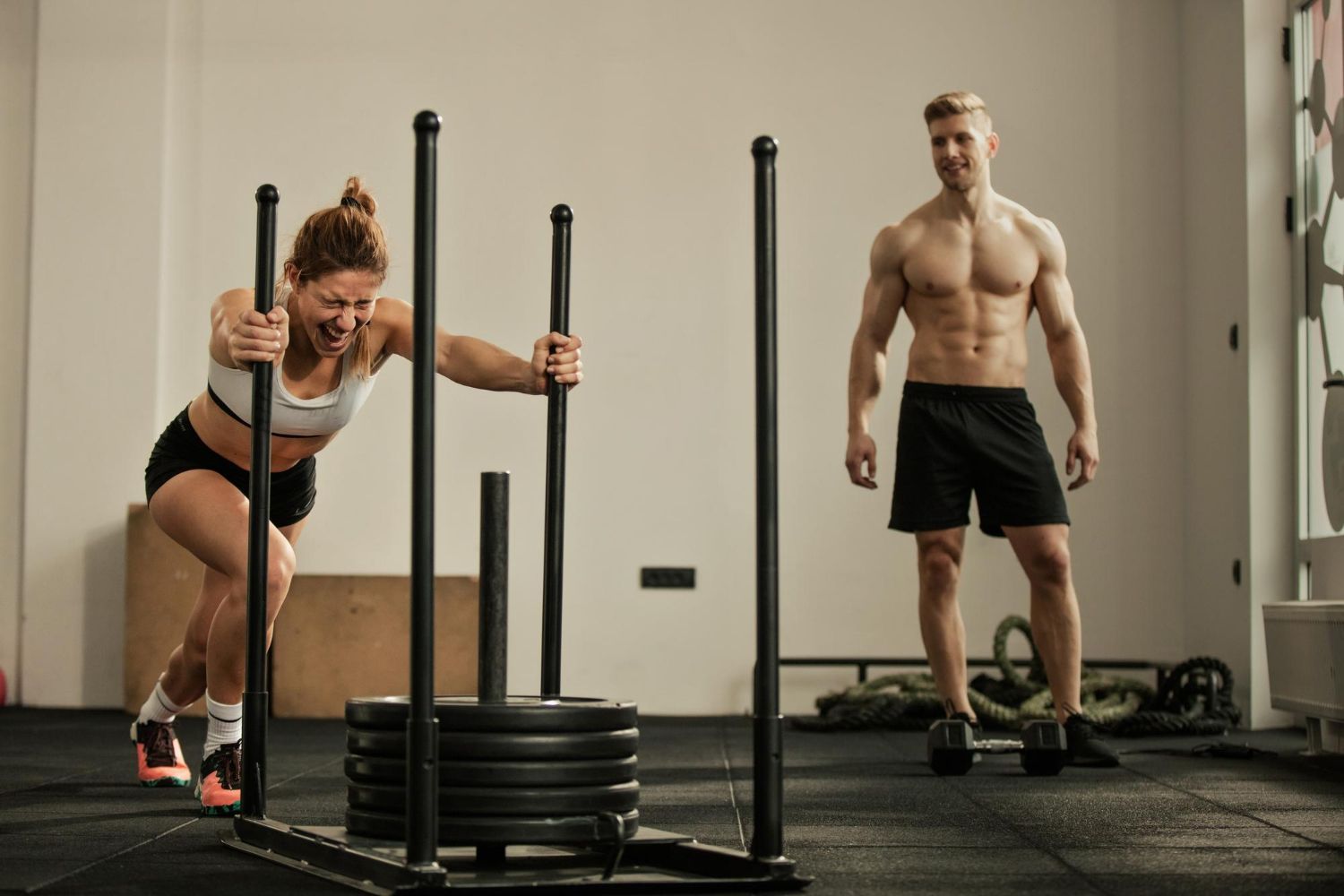
Next comes strength and power. Here we want the injured leg to be close to the uninjured side, usually at least in the 90 percent range for many tests. That includes:
- Single-leg strength: squats, step-downs, bridges
- Hip and core strength since they protect the knee and ankle
- Power in basic body-weight jumps and hops
We do not just care how much force you can produce, we care how you move while doing it. For example, during a single-leg squat, we check:
- Does the knee cave inward?
- Does your trunk lean too far?
- Can you control the descent and stand back up smoothly?
Balance and control are the final key early piece. Soccer requires strong single-leg control for shooting, heading, and cutting. We may use things like:
- Y-Balance tests or reach tests on one leg
- Static single-leg stance with eyes open and closed
- Holding athletic positions used in defending, changing direction, or aerial challenges
If you struggle to balance in a quiet clinic room, it will be even harder when you are tracking the ball, reading defenders, and dealing with contact.
Field Drills That Mimic Real Match Demands
Once basic motion, strength, and balance look good, we move to the field or turf. This is where soccer injury physical therapy starts to feel a lot more like training.
Running and sprint work usually builds up in stages, such as:
- Walk-jog-run intervals on flat ground
- Longer steady runs to test endurance
- Timed sprints over different distances
- Change-of-direction patterns like zigzags or figure eights
We watch how your leg responds during and after. Does your stride look even? Do you favor one side? Is there swelling or soreness later that day or the next morning?
Next we add the ball. Early on, this might be:
- Light inside-outside touches while walking or jogging
- Passing on the move over short and medium distances
- Dribbling through cones with planned patterns
- Controlled shooting with gradual increases in power and distance
As your confidence and control grow, the drills become less predictable and more game-like.
Agility and reaction drills bring it closer to real match speed:
- Shuttle runs and T-drills for quick cuts
- “Cut and go” patterns with sudden stops and turns
- Therapist- or coach-directed reaction drills where you respond to a call, signal, or pass
- Defending-style drills that mimic recovery runs and closing space
The goal is simple. By the time you join team training, you have already done movements that feel like actual match actions, just in a controlled way.
Clear Criteria to Rejoin Team Training Safely
Deciding when you can safely rejoin training should not be a guess. We look for clear signs your body is handling the load.
Some common green flags include:
- No increase in pain or swelling 24 hours after hard sessions or testing
- Symmetrical landing mechanics when you hop or jump and land
- Strong confidence during high-speed cuts, stops, and decelerations
- Ability to complete soccer-specific conditioning without breaking down
Return to play also has levels. It is helpful to separate:
- Non-contact training: Passing drills, pattern play, light pressing, no hard tackles
- Full practice: All drills, including contact, small-sided games, and set pieces
- Match play: Full speed games with referees, pressure, and longer minutes
To move from one level to the next, we look at fitness, technical quality, and mental readiness. You should be able to focus on tactics and decisions, not on worrying about your knee or ankle with every step.
Good communication with your physical therapist and coach is key. Together, you can:
- Adjust training loads and positions
- Plan how many minutes you play in early scrimmages or games
- Track how your body responds across a full week, not just one session
A smart plan keeps you on the field and out of the training room.
Get Back In The Game With Targeted Treatment
If a recent match left you sidelined, our team at Rebound Physical Therapy is ready to help you return to the field with confidence through personalized
soccer injury physical therapy. We focus on addressing the root cause of your pain, improving strength and mobility, and reducing the risk of re-injury. To schedule your appointment or ask questions about your recovery,
contact us today.
Recent Blog Post