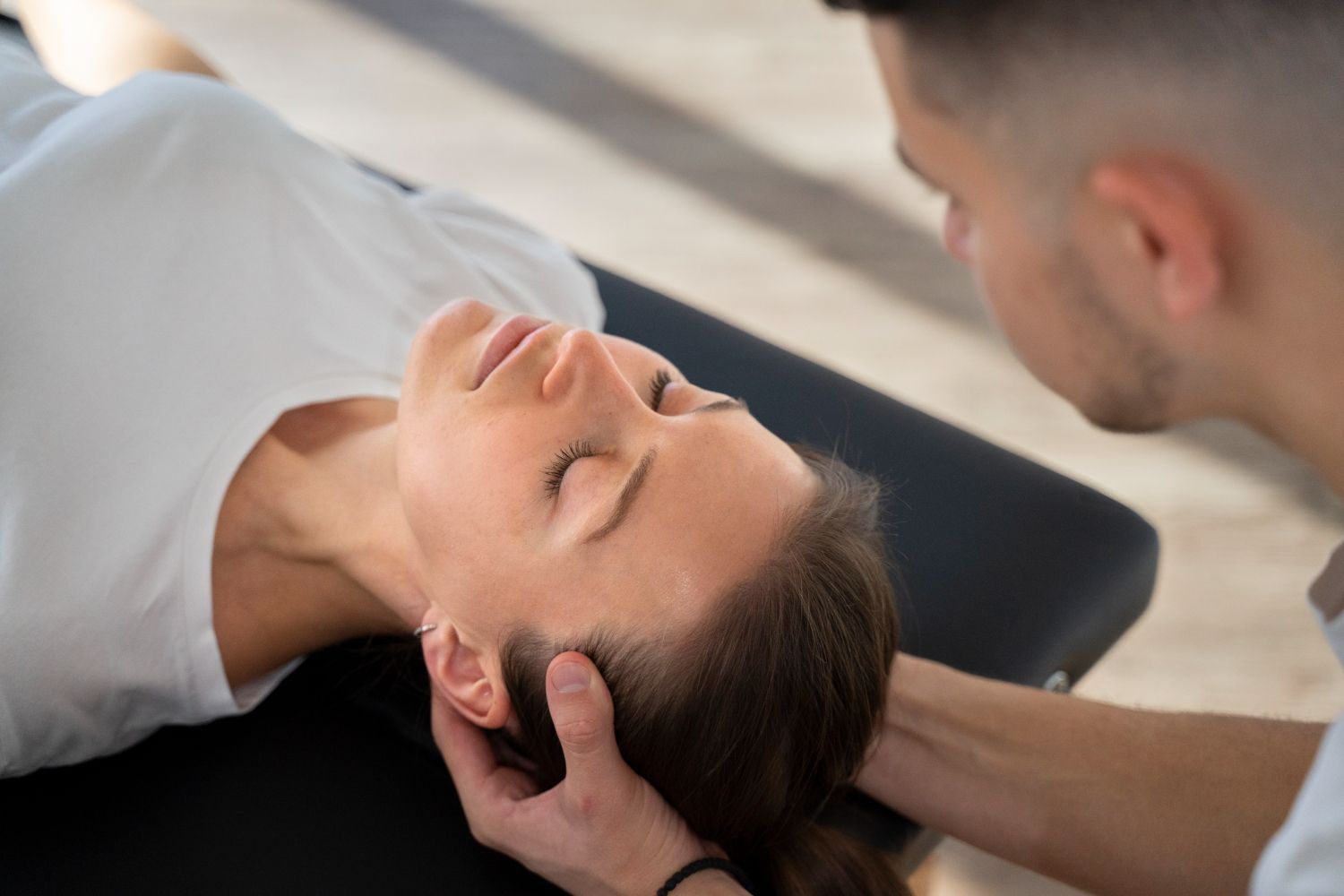
Getting Physical Therapy for CrossFit Without Leaving the Box
Bring World-Class Rehab Directly Into Your CrossFit Box
Physical therapy for CrossFit should not pull you away from the barbell, the rig, or your training crew. When you love lifting heavy and chasing WOD scores, being told to rest at home or walk on a treadmill in a clinic feels like going backward. You want to heal, but you also want to keep your strength, your skills, and your spot on the whiteboard.
Our view is simple: rehab should meet you where you actually train. With the right plan and the right eyes on your movement, you can get high-level care without giving up your gym, your community, or your training style. Physical therapy for CrossFit can happen right inside your box, using the same equipment and language you already know.
In this article, we will break down how on-site, sport-specific PT works, why it fits CrossFit athletes so well, and how it helps you stay in the game while you heal, build long-term resilience, and return to high-intensity training with confidence.
Why Traditional Rehab Often Fails CrossFit Athletes
Standard rehab is usually built for people who just want to walk comfortably or lift light objects at home. That is very different from an athlete who wants to snatch, kip, sprint, and grind through chippers. When you train that hard, a generic plan often falls short.
Here is where traditional models miss the mark for CrossFit athletes:
- Mismatch with real demands
- Time and access headaches
- One-size-fits-all plans that ignore sport demands
Many rehab programs never look at the actual movements that bother you. They may test basic strength and range of motion, then clear you as "good to go," even though you have not done a heavy clean, a high-volume box jump set, or a kipping pull-up since the injury. You leave the clinic, walk into the box, and your shoulder or knee flares right back up.
Then there is the schedule problem. Clinic hours often overlap with work and class times. If you are in Central Connecticut, that might also mean driving across town in wet, cold, or icy weather, only to sit in a waiting room. By the time you factor in work, family, and your training block, that extra trip just does not happen.
On top of this, a lot of templates are built for low-activity adults. They do not account for:
- RX and scaled loads
- AMRAPs, EMOMs, and for-time workouts
- Barbell cycling and gymnastics volume
- High heart rate, fatigue, and tight class clocks
You end up feeling misunderstood. You speak in WODs and PRs, but your rehab does not.
How Physical Therapy for CrossFit Works Inside the Box
Now picture your PT session happening right on the floor where you train. Same platforms, same rig, same bars. That is where sport-specific physical therapy for CrossFit really shines.
We start by assessing you in your real training space. Instead of only checking passive motion on a table, we watch:
- Bar path on cleans and snatches
- Squat depth, stance, and torso angle
- Kip timing, rhythm, and control on the rig
- Setups for deadlifts and presses
When we see your actual movement in that environment, we can spot the small details that trigger pain. Maybe it is how you receive the bar in the front rack, or how you jump down from the box when you are tired.
From there, rehab starts to look and feel like training. Sessions often include:
- Tempo squats or deadlifts to build control
- Landmine presses or half-kneeling presses instead of overhead barbell work
- Controlled kipping drills and strict strength work for the shoulders
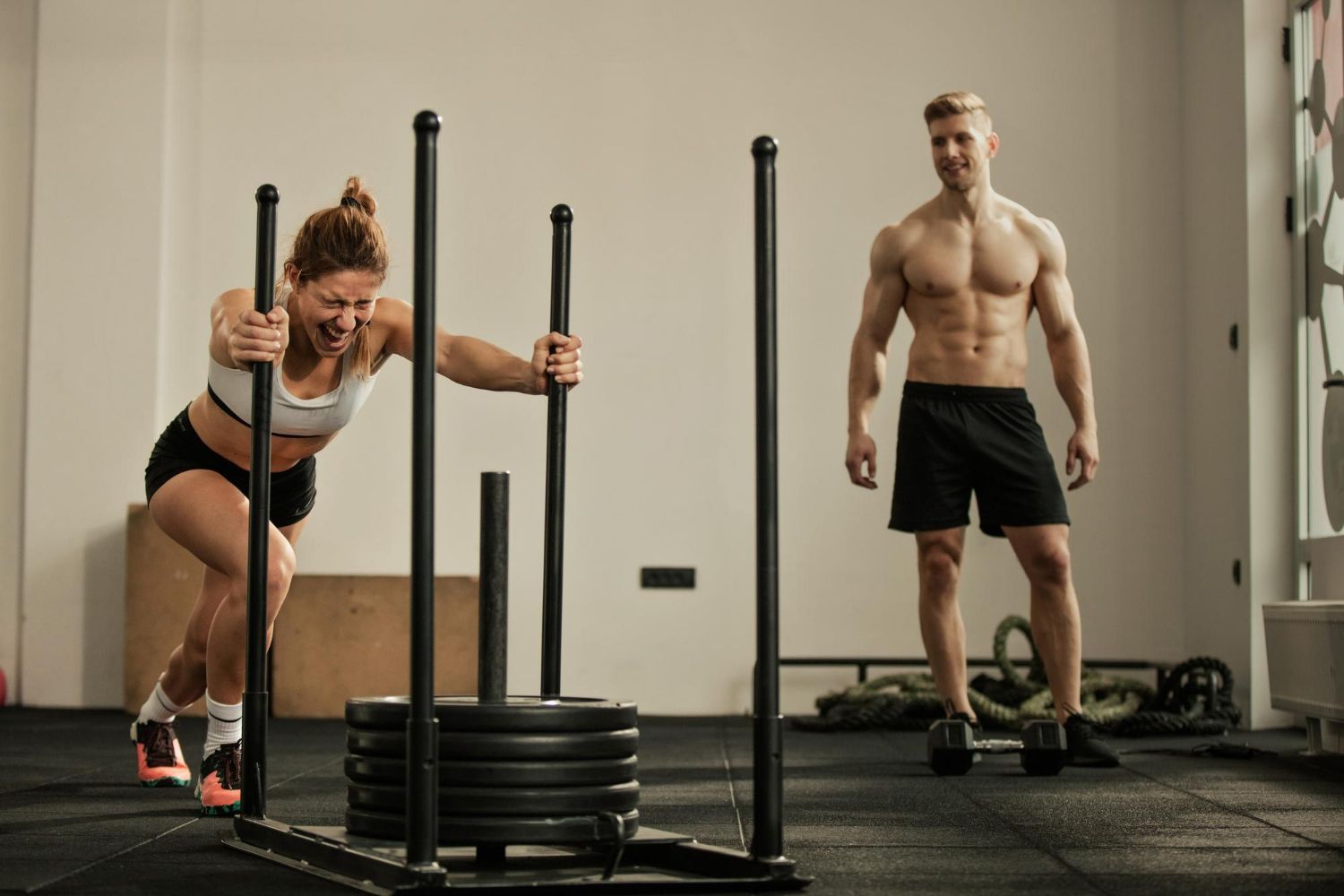
- Sled pushes and pulls for conditioning without pounding your joints
You are not stuck with only bands and clamshells in a corner. You are lifting, moving, and sweating in a way that feels like you.
Another key piece is communication with your coaches. When PTs and coaches work together, they can:
- Adjust the WOD so you still participate
- Swap out movements that poke at your injury
- Tweak loads, reps, and skills week by week
You stay on the whiteboard, stay connected to your class, and still protect healing tissues.
Staying in Season Shape While You Heal
One of the biggest fears athletes have is losing all their hard-earned fitness while they are hurt. With smart planning, that does not have to happen. Physical therapy for CrossFit is not just about what you cannot do, it is about building around what you still can.
For example, if your shoulder needs time to calm down, we can shift focus to:
- Lower body strength work like squats, hinges, and lunges
- Single-leg drills that challenge balance and control
- Conditioning on machines that do not stress the shoulder
If your knee is the issue, we might emphasize:
- Upper body and core strength
- Strict pulling and pressing
- Rowing, SkiErg, or bike intervals with adjusted positions
Smart movement substitutions keep you training without poking the injury every set. That might look like:
- Rowing or biking instead of high-impact running or jumping
- Strict pull-ups or ring rows instead of butterfly pull-ups
- Dumbbell snatches instead of heavy barbell cycling
- Step-ups instead of high box jumps
A PT helps you manage load, volume, and intensity over time. Early on, that might mean lighter weight, more control, and fewer total reps. As tissues heal and capacity grows, we steadily ramp things up so your body is ready for full WODs again, not shocked by them.
This avoids the common trap where athletes rest completely, feel better, jump straight into a big workout, then flare everything up again.
Building a Long-Term Resilient CrossFit Body
Getting out of pain is step one. Staying in the sport you love for the long haul is the real goal.
To build that kind of resilience, we go after the root causes, not just the sore spot. That often means working on:
- Mobility in the hips, ankles, and thoracic spine
- Shoulder stability for overhead work
- Core and bracing patterns for heavy squats and deadlifts
- Technique details on lifts and gymnastics
When you clean up how you move in overhead squats, deadlifts, muscle-ups, or kipping variations, you reduce the chances of the same issue coming back once intensity spikes again.
Physical therapy for CrossFit can also serve as performance tune-ups, not just injury care. Movement screens, strength balance checks, and quick check-ins around big training pushes can help you catch issues before they turn into something that actually stops you.
Finally, we want recovery to be part of the culture in your box, not an afterthought. That means building in:
- Warm-ups that match the day’s demands
- Cooldowns that focus on positions you use in the workout
- Seasonal deload weeks when training has been heavy
- Simple recovery habits like quality sleep and basic tissue work
When recovery is normal, not special, your shoulders, knees, and back can keep up with the way you like to train, season after season.
Getting Physical Therapy Support Without Leaving Your Gym
If you are skipping certain movements, scaling the same thing every week, or quietly pushing through pain, you do not have to choose between quitting or just dealing with it. Physical therapy for CrossFit can live right where you already train, using the tools you already know, in the community you already love.
At Rebound Performance Physical Therapy in Central Connecticut, we focus on 1:1, sport-specific care for active adults and athletes. Our goal is to help you return to the sports you love with surgical-free, medication-free plans that line up with your box programming and your competition goals. When rehab looks like training and happens in your own gym, you can stay in the game, keep your gains, and build a stronger, more durable body for the long-term.
Stay Strong, Train Hard, and Recover Smarter
If your CrossFit training is starting to expose nagging pain or movement restrictions, we are here to help you address the root cause and keep progressing safely. At Rebound Physical Therapy, our specialists use targeted
physical therapy for CrossFit athletes to restore mobility, improve strength, and protect your long-term performance. Reach out today to tell us about your training goals and schedule an appointment through our
contact page.
Recent Blog Post