Navigating Vestibular Therapy in Newington for Post-Concussion Athletes
Regain Your Edge After Concussion
A concussion can flip your season in a second. One hit, one awkward fall, and now you are on the sideline while everyone else is grinding through practices, games, and tournaments. At first, you might be told to rest, sleep more, and wait. But weeks later you may still feel dizzy, off balance, or like your brain is working in slow motion.
Those lingering problems are often tied to your vestibular system. That’s the part of your inner ear and brain that helps control balance, eye movements, and how your body senses space and motion. When it is not working well, you can feel off even when your scans look normal and you are “cleared” on paper.
Vestibular therapy gives post-concussion athletes a targeted way to retrain that system instead of just hoping things improve. With the right plan, you can rebuild confidence, sharpen your vision with movement, and return to your sport with better control. At our performance-focused clinic in Newington, we offer one-on-one vestibular therapy designed around the needs of active adults and athletes who want to get back to doing what they love.
How Concussions Disrupt Athletic Balance and Vision
Think of your vestibular system as your internal gyroscope. It helps you know which way is up, how fast your head is moving, and where your body is in space, even in the dark. It also helps your eyes stay locked on a target while your head moves. For sports, that system is huge.
You rely on it when you:
- Cut and change direction without losing balance
- Track a deep ball while your feet are sprinting
- Land from a jump and stick the landing
- Skate and pivot while watching a puck or teammate
- Read the field or court while your head is constantly scanning
When you have a concussion from football, soccer, hockey, lacrosse, basketball, cheer, gymnastics, wrestling, or other contact and high-speed sports, that system can get disrupted. Even if you feel “okay” at rest, it can break down when you move fast.
Common vestibular problems after concussion include:
- Dizziness with quick head turns or looking up and down
- Feeling unsteady when jogging, cutting, or backpedaling
- Blurry or jumpy vision when you run or ride in a car
- Motion sensitivity in busy gyms, loud rinks, or crowded stands
Athletes often describe feeling “off” during:
- Sprints, especially when they have to turn or react
- Fast breaks or transitions when they must read plays on the move
- Environments with bright lights and noise, like stadiums or arenas
- Contact drills where poor awareness puts them in bad positions
These issues might not show up during quiet classroom tests, but they show up fast when you are back on the field, court, ice, or mat.
Why Vestibular Therapy in Newington Matters for Athletes
If you play sports in Central Connecticut, you probably juggle school, practice, lifting, travel, and games. Adding long drives for care on top of that can make real rehab hard to keep up with. Access to vestibular therapy in Newington gives you a chance to get focused post-concussion care without blowing up your schedule.
For athletes, vestibular therapy is about more than just “not being dizzy.” It supports actual sport skills, like:
- Sharper visual tracking for quarterbacks, catchers, and point guards
- Better balance for figure skaters, gymnasts, and cheer athletes
- Cleaner change of direction for soccer defenders and lacrosse middies
- Stronger body awareness for wrestlers and hockey players in contact
Instead of relying on medication or endless rest, our clinic uses a hands-on, movement-based approach. Sessions are built around how you move in your sport, not just how you walk down a hallway. We focus on a surgical-free, medication-free plan that respects your body and your long-term performance.
Inside a Performance-Focused Vestibular Rehab Plan
Your first session should not feel like a quick checklist. At our clinic, we start with a detailed conversation about:
- Your concussion history and symptoms
- Your sport, position, and level of play
- What situations still feel hard, like practice, school, or screens
- Your current training and game schedule
Then we run through targeted tests, such as:
- Balance testing in different stances and surfaces
- Eye and head movement checks, including how well your eyes stay on a target
- Motion sensitivity tests with turning, bending, and positional changes
- Sport-style movement screens, like mini cutting, shuffling, or pivoting patterns
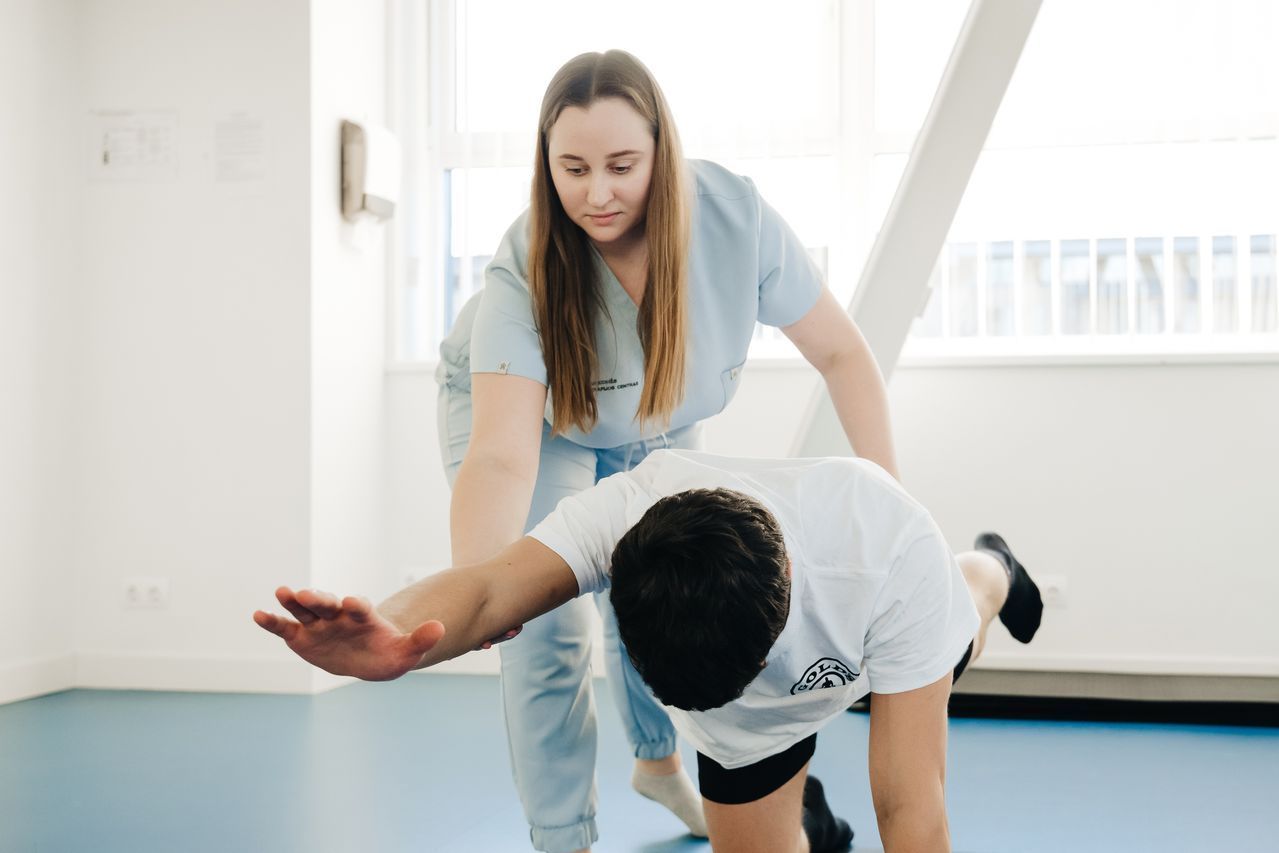
From there, we build a vestibular therapy plan that often includes:
- Gaze stabilization drills, keeping your eyes fixed while your head moves
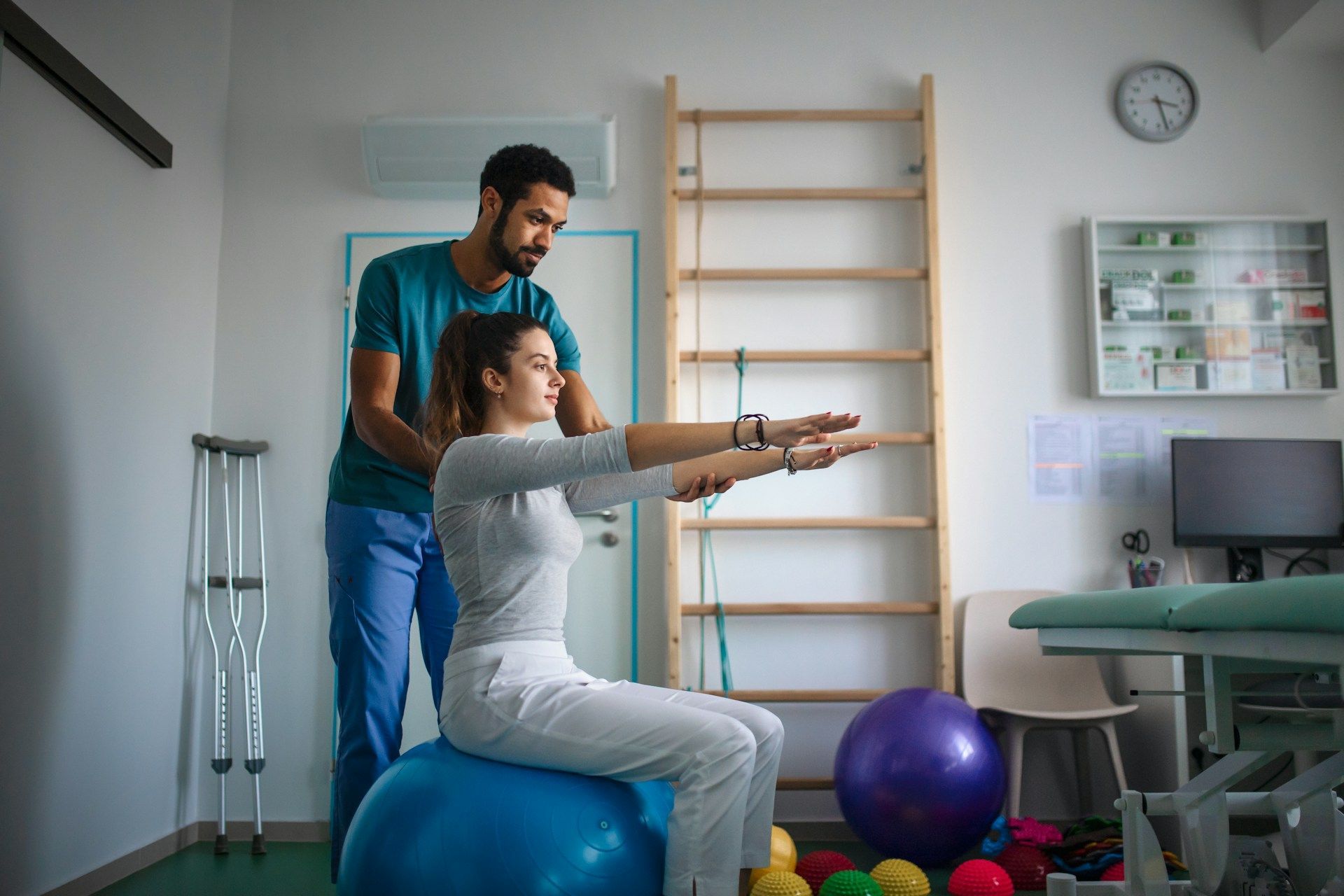
- Balance work on stable and unstable surfaces, in single-leg and sport stances
- Habituation exercises to slowly reduce motion sensitivity
- Dual-task drills that mix movement with thinking tasks, similar to reading plays while on the move
As you progress, sessions shift from simple, controlled drills to activities that look more like practice. That might include:
- Simulated cutting and change-of-direction drills for field and court sports
- Skating-style footwork and rapid head turns for hockey players
- Jump and land sequences for basketball, volleyball, and cheer
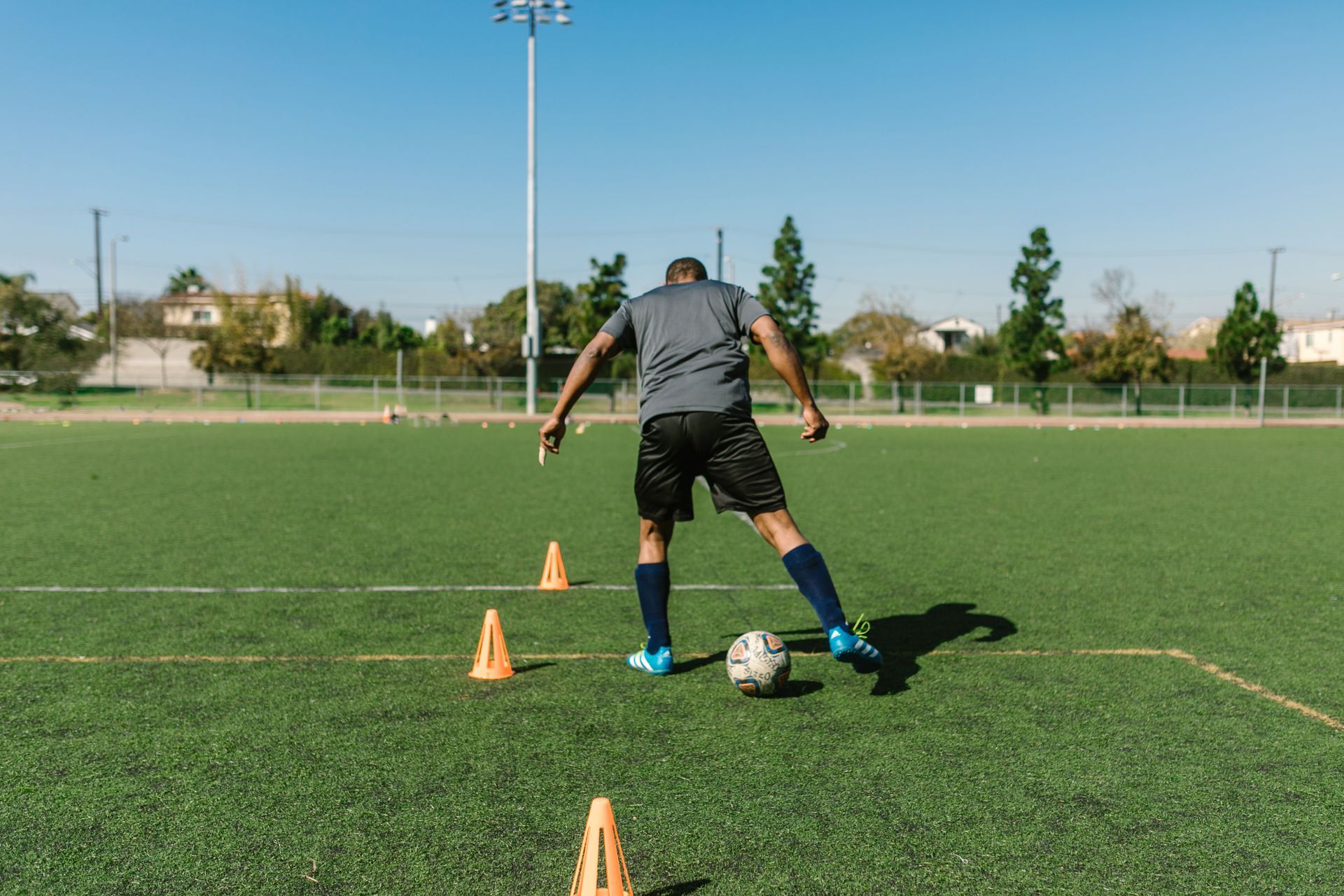
- Reaction and tracking drills using balls, cones, or visual targets
The goal is to make the clinic feel like a bridge between the quiet exam room and the chaos of live play, so your return feels natural and safe.
Safe Return-to-Play Steps for Fall and Winter Sports
Coming back too soon after a concussion puts you at risk for more symptoms and a higher chance of injury. A step-by-step plan helps you and your support team make smarter choices. A typical return-to-play path often looks like:
- Symptom-limited activity: Easy daily tasks that do not spike symptoms
- Light aerobic work: Gentle cardio like walking or easy biking
- Sport-specific, noncontact drills: Footwork, shooting, stick work, skating without contact
- Controlled contact: Practice with controlled contact once symptoms stay stable
- Full competition: Back to regular games and full-intensity practice
Vestibular therapy fits into this process by helping you:
- Tolerate game environments with lights, sound, and motion
- Keep your balance when tired late in practice or competition
- Maintain clear vision when you sprint, pivot, or take contact
- React to plays without feeling overwhelmed or delayed
Good communication is key. Athletes, parents, coaches, and medical providers should share what they see, so no one feels pressure to rush back. Our role is to keep you moving forward as quickly as is safe, not to hold you back or push you too fast.
Take the Next Step Back Toward Your Sport
If you are weeks or months out from a concussion and still feel off, that does not have to be your new normal. Struggling with balance, motion sickness, or blurry vision in games often points to vestibular issues that can be trained with the right plan.
At Rebound Physical Therapy in Newington, we focus on one-on-one, hands-on care for active adults and athletes across many sports and levels. We work around school and team schedules, build plans that make sense for your season, and keep your sport goals front and center so you can return stronger, safer, and more confident.
Regain Your Balance And Confidence Starting Today
If dizziness or vertigo are limiting your daily activities, we are ready to help you move safely and steadily again. At Rebound Physical Therapy, our specialists provide targeted
vestibular therapy in Newington tailored to your specific symptoms and goals. Reach out so we can answer your questions, review your history, and outline a personalized treatment plan. To schedule your first appointment or ask about availability, please
contact us.
Recent Blog Post