Game-Day Ready: Physical Therapy for Athletes Between Seasons
The time between seasons is not a break from your sport. It is your best window to fix what hurt, get stronger, and step back on the field, court, or track ready to play your best. When you treat the off-season like part of your sport, you protect your body and raise your performance at the same time.
For high school, college, club, and adult rec athletes in sports like football, basketball, soccer, baseball, or softball, lacrosse, and track and field, the off-season is when the real work happens. We are going to talk about how to use this time wisely, how physical therapy for athletes can guide your training, and how to head into preseason faster, stronger, and more confident.
Build Your Off-Season Like a Pro, Not a Break
For most U.S. athletes, the off-season is that stretch between the last game of one season and the first official practice of the next. It might be a few months between high school seasons, a gap between club and school ball, or a pause between adult leagues.
Instead of thinking, “I finally get to do nothing,” think, “I finally get to build.” This is the window to:
- Settle down the aches you played through
- Build strength, power, and mobility
- Clean up movement patterns and skills
- Prepare your body for the exact demands of your sport
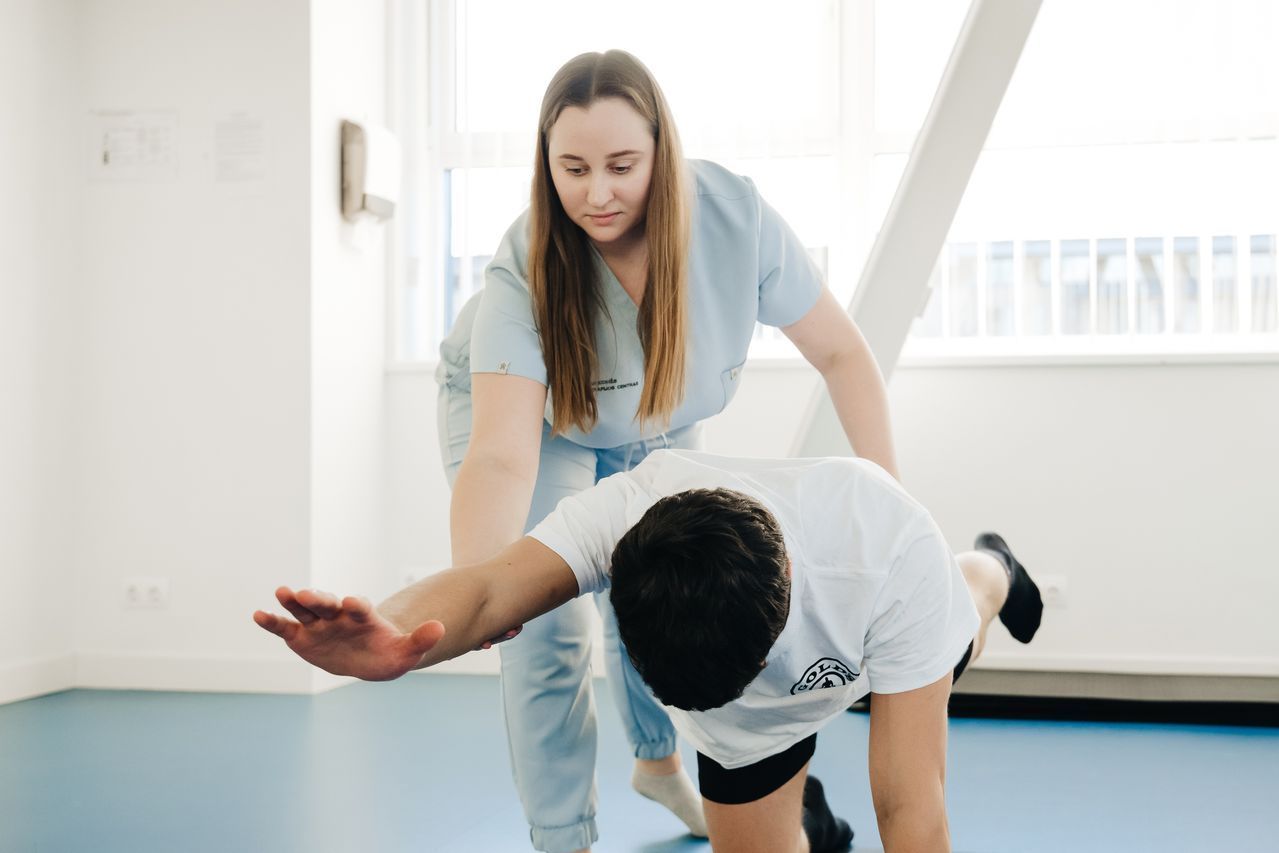
Performance-focused physical therapy fits perfectly here. One-on-one, sport-specific sessions let us find what held you back and give you a plan that is surgical-free and medication-free. The goal is not just to get you out of pain, but to keep you in the game long term.
Between seasons, athletes should focus on three big things: clearing up nagging issues, building a smart strength and conditioning base, and following a clear path back to full-speed play. With guided PT, you are not guessing what to do in the gym or at practice. You know each step is moving you toward a better preseason.
Why the Off-Season Is Your Competitive Edge
Most athletes do one of two things in the off-season. They either shut everything down or they do random hard workouts with no plan. Both can backfire. Full shutdown can leave you stiff and weaker. Random grind sessions can lead to overuse injuries once practices pick up again.
A planned off-season looks different. You back off game intensity, but you still train in a structured way. The goal is to give your joints and nervous system a break from constant games, while building the strength, power, mobility, and conditioning you did not have time for in-season.
Different sports have different off-season targets:
- Football and lacrosse: big focus on strength and power, plus durable shoulders and hips for contact and checks
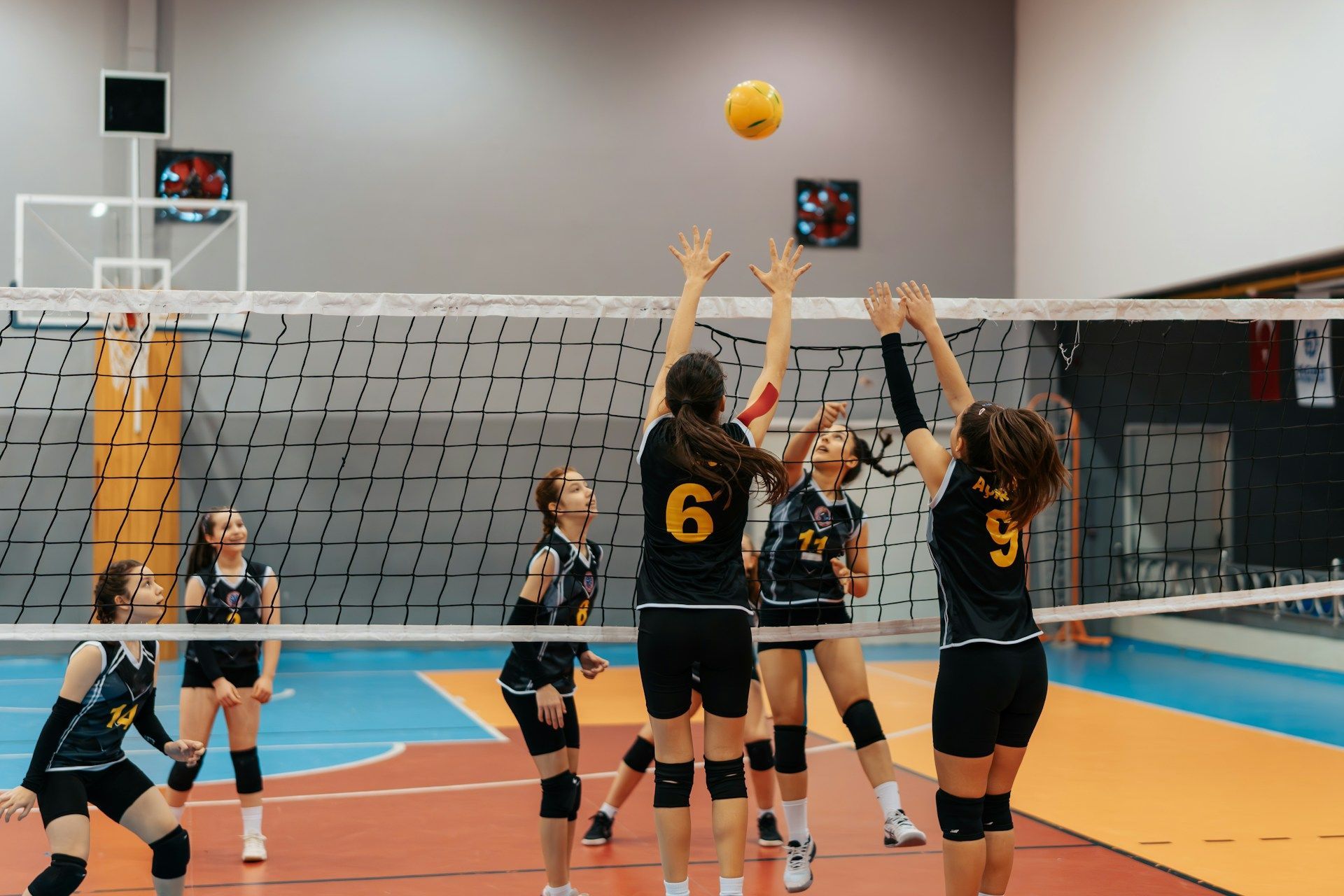
- Basketball and soccer: strong control at the knees, ankles, and hips for cutting, stopping, and jumping
- Baseball and softball: consistent arm care, rotational power, and scapular stability for safe throwing and hitting
Athletes who treat the off-season as part of their sport usually show up to preseason with better speed, higher work capacity, and more trust in their body than teammates who just “rested.” That edge shows up in tryouts, conditioning tests, and those first intense scrimmages.
Fix What Hurt Last Season Before It Benches You
Between seasons is the perfect time to be honest with yourself. Think back to the last season. Where did you feel pain over and over? Did a knee, shoulder, hip, or back bother you enough that you skipped practices or held back in games?
Physical therapy for athletes is built to find the real reasons behind those issues. Instead of just treating the sore spot, we look at:
- Full-body movement assessments
- Strength and endurance testing
- Mobility and stability screening
- Sport-specific drills that show how you move at speed
Common between-season problems include:
- Pitchers and overhead athletes: shoulder and elbow irritation often tied to mechanics or weak scapular stabilizers
- Runners and field sport athletes: shin splints, IT band pain, and plantar fasciitis from high volume and poor loading patterns
- Court athletes: jumper’s knee, recurring ankle sprains, and low back tightness from constant jumping and landing
Instead of “just rest it until tryouts,” a performance PT plan gives you active solutions. That can mean targeted strength work, mobility drills, motor control training, and gradual return-to-sport progressions. You get to heal without losing your fitness, and you go into the next season less likely to repeat the same injury cycle.
Build a Sport-Specific Off-Season Plan That Works
A strong off-season plan is not a generic spreadsheet you found online. It should start with you: your sport, position, schedule, age, injury history, and performance goals.
Most athletes benefit from three main pillars:
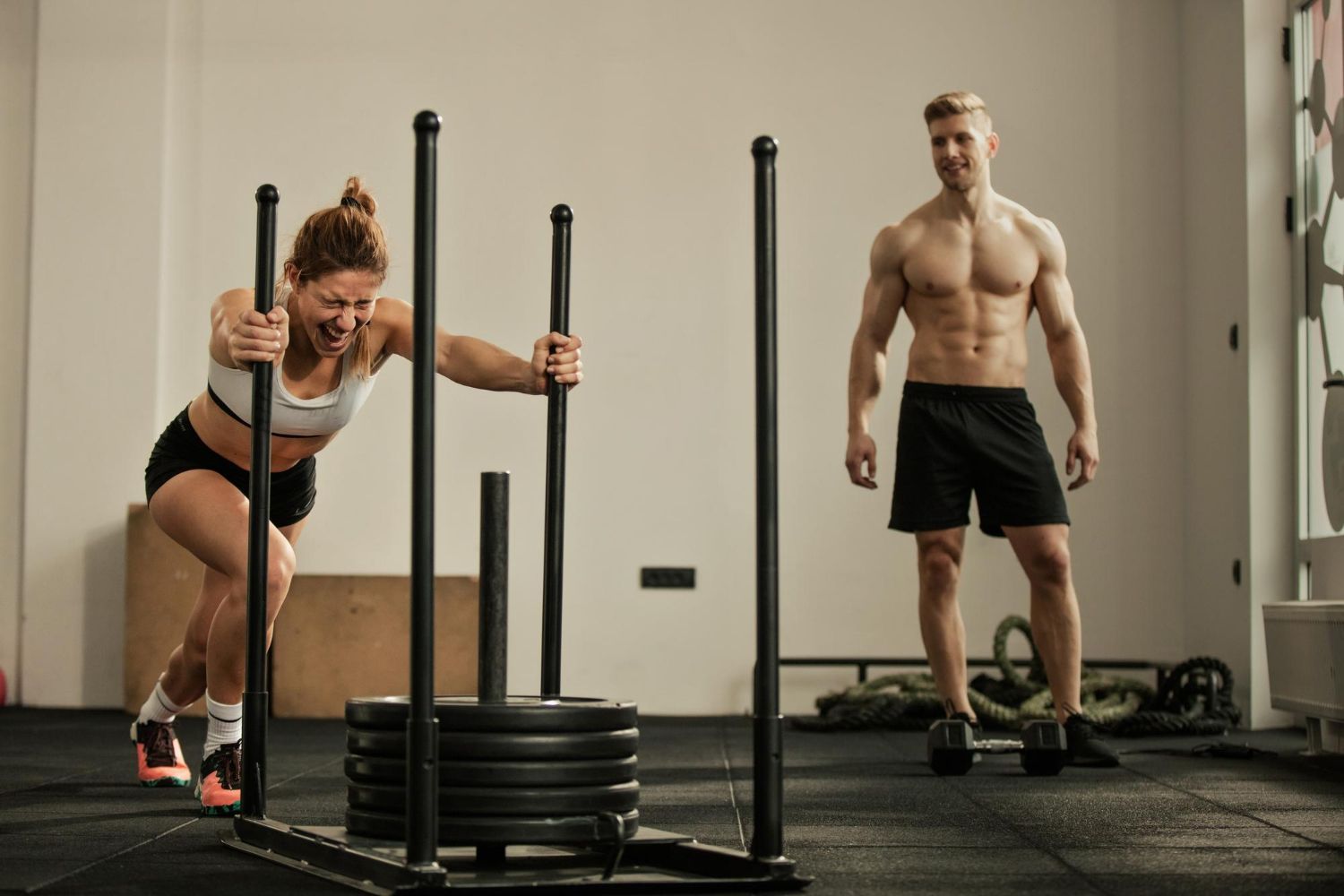
- Strength and power: building legs, hips, and core for sprinting, cutting, hitting, and jumping
- Mobility and stability: especially in the shoulders, hips, and ankles so you can move with control and power
- Conditioning: starting with general fitness, then shifting into sport-specific energy demands as preseason gets closer
Physical therapy for athletes connects these pillars directly to what you do in competition. A football lineman does not need the same plan as a wide receiver. One needs more raw power and short-burst strength; the other needs high-end speed and agility. A baseball pitcher needs different arm care and conditioning than an infielder who fields and throws in shorter bursts. A basketball guard needs more lateral quickness and change-of-direction work, while a post player might need more strength for rebounding battles and physical play.
With a one-on-one PT model, the plan can match real life. School, work, and travel can all be built around. The best program is the one you can follow consistently, and that is much easier when it is designed for your actual week, not someone else’s.
Safe Return-to-Sport Progressions Between Seasons
A return-to-sport progression is simply a step-by-step plan to move from off-season training back to full-speed games. Skipping steps and jumping right into heavy scrimmages or full tournaments after a long break is one of the fastest ways to strain a muscle or sprain a joint.
A performance-focused PT progression usually moves through phases like:
- Controlled drills: non-contact skill work, simple patterns, and technique tune-ups
- Integrated practice: small-sided games, position-specific drills, and controlled contact or intensity
- Full game demands: match-like speeds, full changes of direction, collisions, and normal game minutes
This can look different across seasons and sports. For example:
- Football players late in the fall can plan smart strength and recovery work that sets up winter training instead of just crashing once playoffs end
- Basketball players going from summer or club ball into school season can shift volume and intensity to avoid burnout and overuse
- Baseball and softball players can follow a progressive throwing program that ramps up arm stress gradually before tryouts
Regular check-ins with a PT allow volume, intensity, and recovery to be adjusted each week. That way you keep pushing performance without sliding into overtraining.
Stay Game-Day Ready with Pro-Level Recovery Habits
Training is only half the story. Recovery is what lets your body actually adapt and stay healthy between seasons. Quality sleep, smart hydration, and solid nutrition are basic but powerful tools for any athlete.
Some simple recovery habits many athletes benefit from include:
- Short daily mobility routines focused on your sport’s hot spots, like hips and ankles for field sports or shoulders for overhead sports
- Quick pre-practice activations to wake up glutes, core, and scapular muscles, so joints are more stable before hard work
- Post-practice cooldowns with light movement and stretching to reduce stiffness and soreness
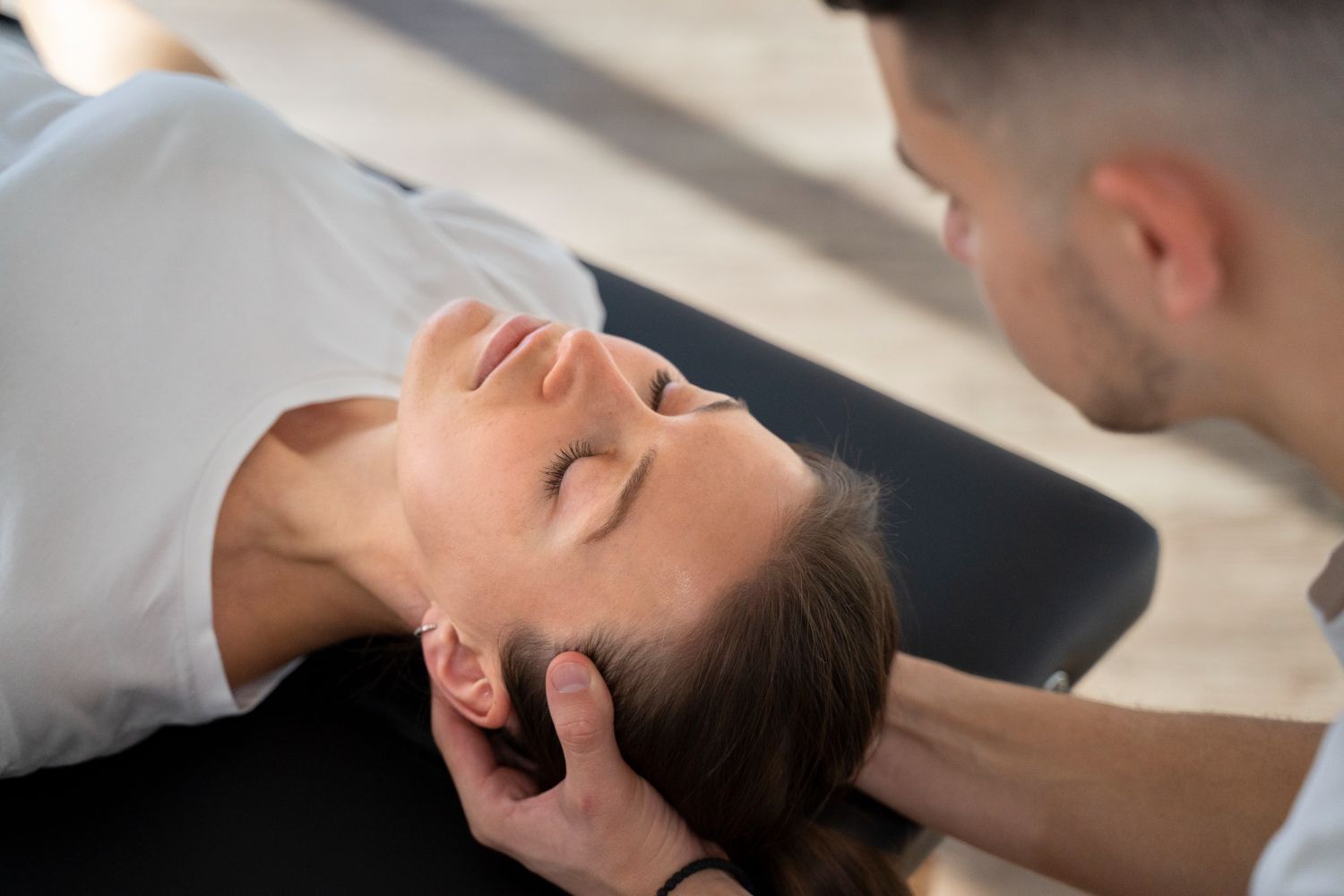
A performance PT can also help personalize recovery tools for your week. That might mean targeted soft tissue work, joint mobilization, and corrective exercises that fit around your training schedule. Over time, these habits support long-term durability, fewer missed games, and more consistent performance for athletes around Newington and beyond.
When you treat the off-season as your comeback season, you give yourself a real chance to return stronger, not just rested. You do not have to wait for pain, surgery, or the first whistle of preseason. Your next level starts in the time between seasons, one smart step at a time.
Take The Next Step Toward Stronger, Safer Performance
If you or your young athlete is working through an injury or wants to perform at a higher level, our team at Rebound Physical Therapy is ready to help. Learn how our specialized
physical therapy for athletes programs are built around the demands of your sport, your schedule, and your goals. To schedule a session or ask questions about getting started, simply
contact us today.
Recent Blog Post