CrossFit Injury Prevention & Prehab: Warm-Ups, Mobility, Load Management
Build a CrossFit Body That Can Go the Distance This Season
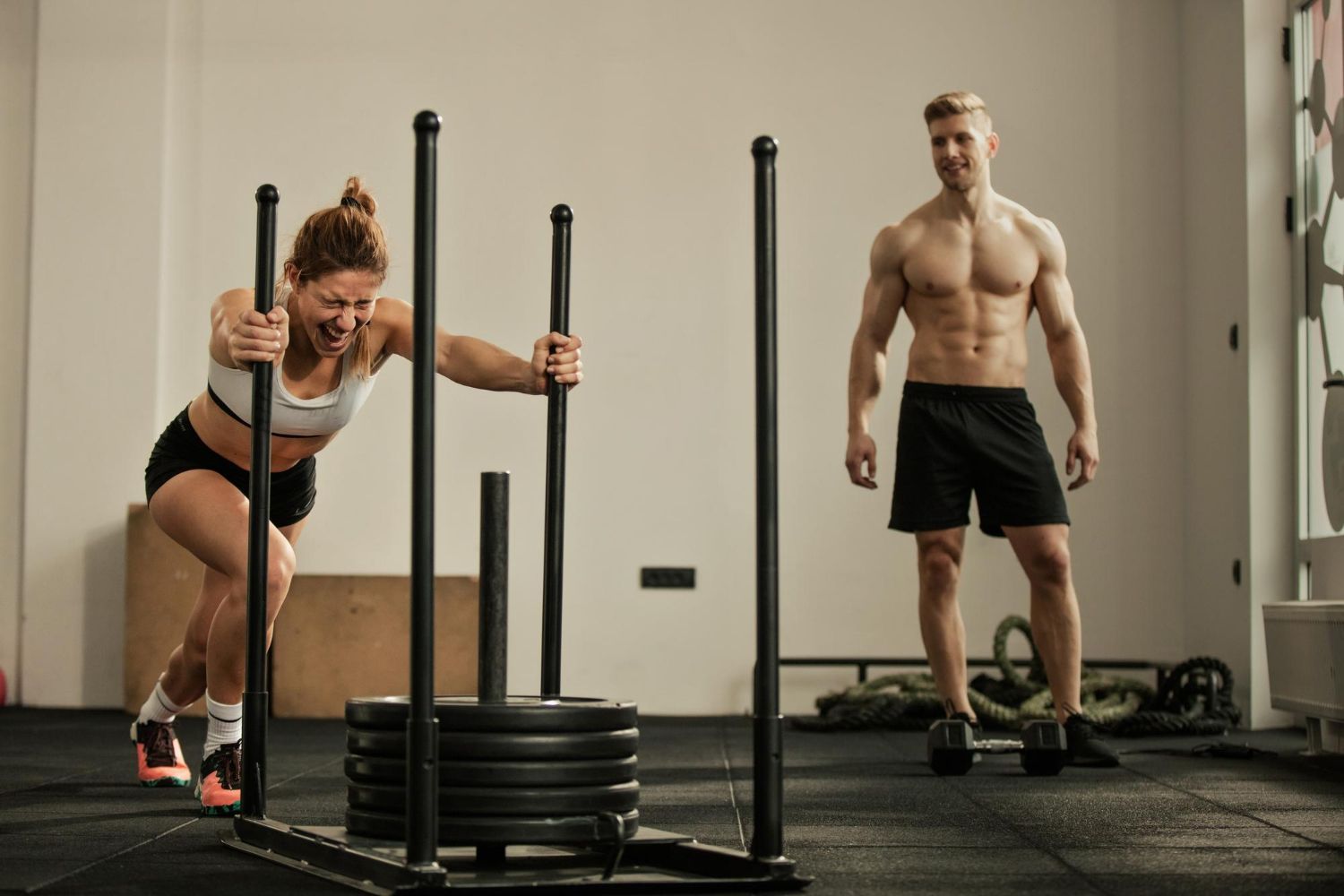
CrossFit and high-intensity training can build a strong, powerful body, but only if your body can handle the way you train. When the bar gets heavier, the reps get higher, and the clock is ticking, small aches can quickly turn into shoulder tweaks, low back pain, or cranky knees that ruin a whole training block or sports season.
Smart injury prevention and prehab help athletes stay on the court and field, not on the sidelines.
Prehab is like performance insurance. It is the warm-up, mobility, and load management work you do on purpose so you can keep lifting, sprinting, jumping, and cutting without needing surgery, pain meds, or long breaks from your sport.
At Rebound Physical Therapy in Newington, CT, we focus on helping athletes return to and stay in the U.S. sports they love, like football, basketball, baseball, softball, soccer, and lacrosse, while using CrossFit and high-intensity training as part of their performance plan.
Why CrossFit Athletes Get Hurt More Than They Should
CrossFit asks a lot from your body. In one week, you might hit heavy Olympic lifts, high-skill gymnastics, sprint intervals, and long conditioning pieces, often under time pressure. That combination of high volume, high intensity, and complex movement is great for fitness, but it can also be tough on your joints and soft tissue.
Common Hot Spots for Athletes Using CrossFit for Their Season
- Shoulders from kipping pull-ups, presses, and snatches that can carry over to throwing and overhead work in baseball, softball, volleyball, and football
- Low back from deadlifts, cleans, bent-over rows, and odd-object work that can affect running, blocking, and rebounding
- Knees and ankles from squats, lunges, box jumps, double-unders, and running that matter for cutting, jumping, and sprinting in sports like basketball, soccer, and lacrosse
The problem is not just the movements; it is how we pile them on. Hidden risk factors often look like this:
- Jumping to “Rx” weight before your technique and strength are ready
- Chasing the whiteboard or leaderboard instead of listening to your body and your in-season demands
- Poor recovery between hard sessions, like heavy legs in the gym then max sprints at football or soccer practice the next day
- Ignoring early warning signs such as nagging pain, pinching, or repeated stiffness
Physical therapy for CrossFit and sport performance is not only about fixing injuries. It can also act like performance coaching for your tissues. The goal is to match your training volume, intensity, and skill progressions to what your muscles, tendons, and joints can actually handle right now, then help you safely raise that capacity so you can return to play and stay in the game.
Game-Ready Warm-Ups That Actually Prepare You to Train
A good warm-up is more than a quick jog and a few arm swings. Getting a light sweat is helpful, but it does not fully prepare you for heavy barbell cycling, double-unders, or high-skill movements under fatigue. You want your warm-up to look and feel like a ramp that leads right into your workout and your sport, not just a box you check.
A simple, game-ready warm-up framework looks like this:
- General warm-up: 5 to 7 minutes of easy cardio like rower, ski, bike, or light jog to raise your core temperature
- Dynamic mobility: moves that take your joints through range with control, such as arm circles, leg swings, inchworms, world’s greatest stretch, band walks, and thoracic rotations
- Activation: focused work for glutes, rotator cuff, core, and scapular muscles with bands, light kettlebells, or bodyweight
Then you plug in sport and WOD-specific prep:
- Before Olympic lifts: ankle and hip mobility, front rack drills, and core bracing like dead bugs or tempo RDLs so your legs and hips are ready for sprinting, cutting, and jumping in sports like football and basketball
- Before kipping and pull-ups: scap pulls on the bar, hollow and arch holds, beat swings, and banded external rotation for the shoulders, especially helpful for overhead athletes in baseball, softball, and volleyball
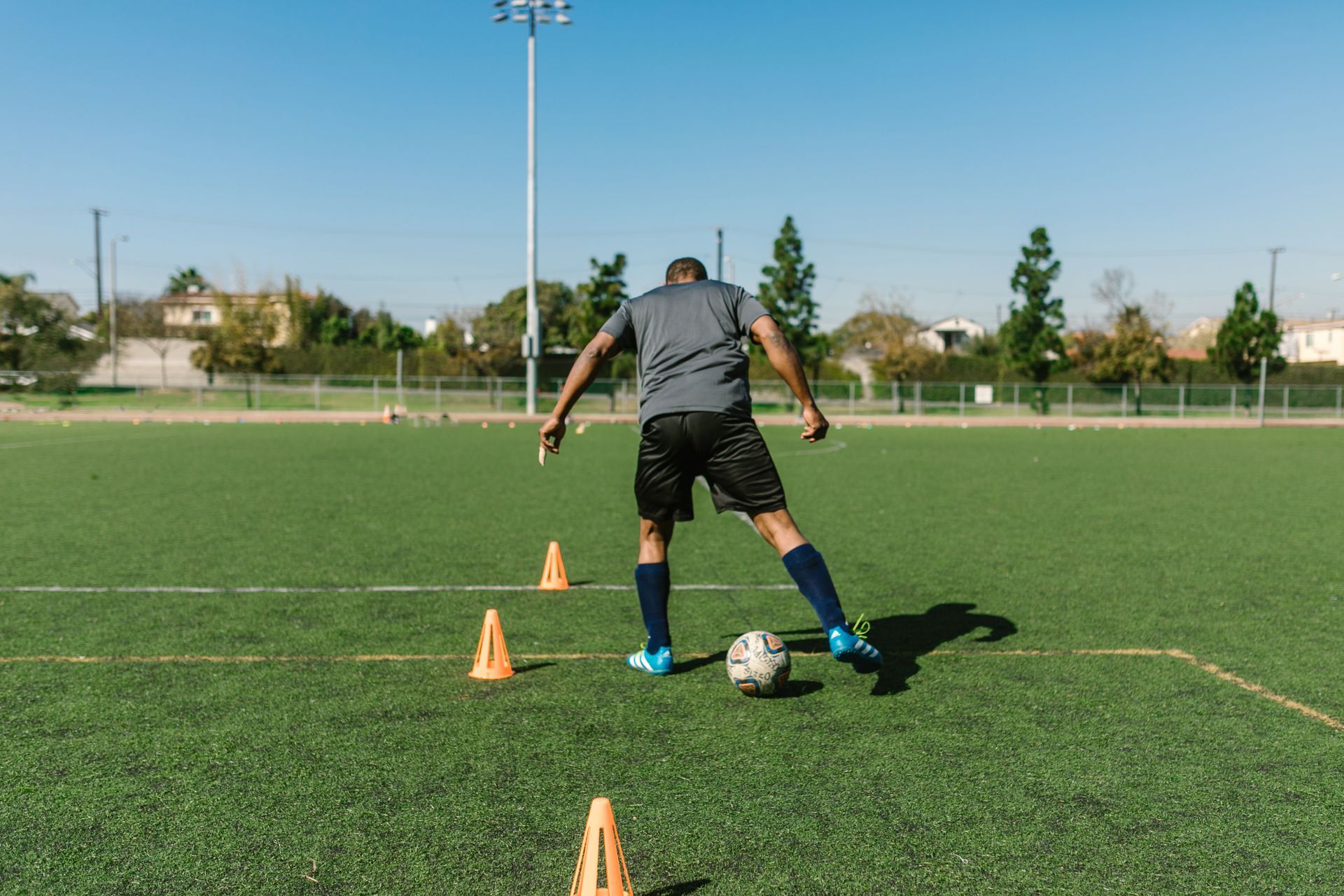
- Before box jumps and sprints: pogo hops, A-skips, lateral shuffles, and short accelerations, especially important for athletes who also play football, soccer, basketball, or lacrosse
A dialed-in warm-up reduces the number of slow, sloppy, tweak-prone reps and helps you perform better when it counts, whether that is in the gym or during practices and games.
Mobility That Matches the Demands of Your Sport and the WOD
Mobility work should not be random stretching just because it feels good. It should match what your training session and your sport actually ask your body to do. The goal is to own the positions you need, with strength and control, not just hang out at end range.
Key mobility priorities for most CrossFit and U.S. sport athletes are:
- Shoulders and thoracic spine for overhead lifts, handstands, throwing, and reaching rebounds
- Hips and ankles for deep squats, lunges, cutting, changing direction, and sprinting
- Hip hinge and lumbar control for deadlifts, cleans, and the powerful hip drive needed in sports like football, baseball, and track and field events
You can fit mobility into your day without turning it into a second workout:
- Between warm-up and WOD: 3 to 5 minute “micro-dose” flows, like couch stretch for hip flexors, ankle dorsiflexion mobilizations against a wall or rig, and thoracic rotations on the floor or bench
- Evening cool-down: 8 to 10 quiet minutes on the areas that took the biggest hit that day, such as hamstrings and glutes after heavy pulls or shoulders and upper back after a day of pull-ups, presses, or throwing
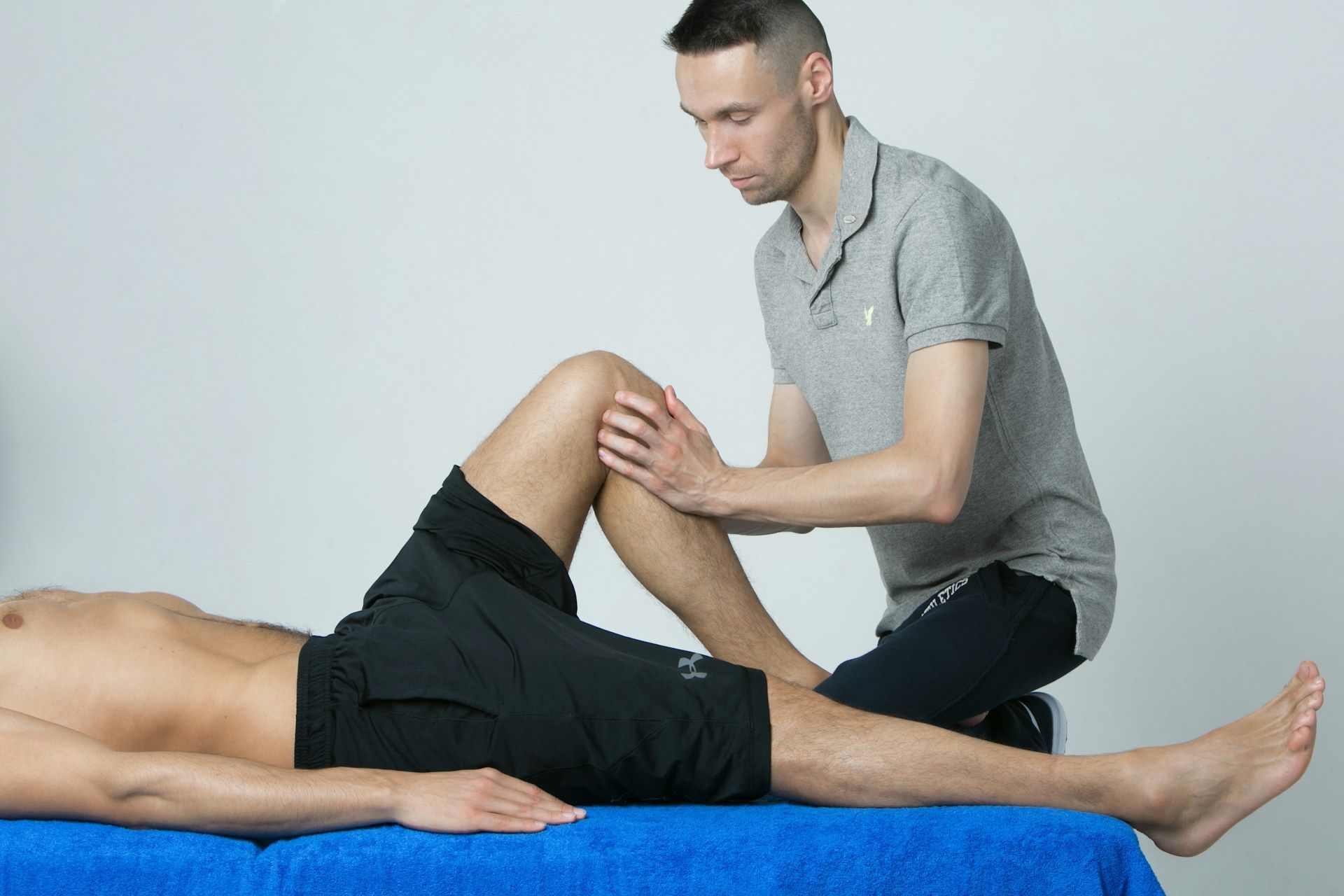
If the same positions always feel tight, pinchy, or blocked, like front rack, overhead squat, or deep lunge, that is a sign to get help. Physical therapy can sort out whether the limit is mobility, motor control, or an irritated structure so you are not just forcing yourself into painful positions that keep you out of games.
Smarter Load Management to Keep You on the Field
Load management means balancing your total training stress, the weight, volume, intensity, and frequency, with your current capacity and sport schedule. You are trying to train hard enough to grow, but not so hard that your body cannot recover for practices and competition.
Here are some clear examples:
- CrossFit-only athlete in the U.S. season cycle: avoid stacking max deadlifts, sprint intervals, and high-rep box jumps all within the same 24 to 48 hours, especially when you are close to an in-house competition or testing week
- Multi-sport athlete: if you have a high-intensity WOD plus Friday night football, weekend basketball tournaments, or back-to-back soccer or lacrosse games, plan which days are heavy and which are lighter skill or recovery sessions
Some simple rules of thumb help you stay in a safe zone:
- Increase load or volume gradually, with small jumps each week, not huge leaps
- Use RPE (rate of perceived exertion) to guide effort; not every day should feel like a 10 out of 10 grind
- Plan deload weeks before busy game schedules or playoff runs so your body can recharge before it needs to peak
A performance-focused physical therapist can look at your training logs, sport schedule, pain patterns, and movement quality, then help you build a plan that lets you keep pushing without constantly flirting with injury or missing games.
When to Call a Pro So You Can Get Back in the Game
Some soreness is normal when you train hard, but not all pain is “just soreness.” Knowing the difference can save your season. Muscle soreness usually fades in a day or two and feels better as you move. Joint pain, sharp pulls, catching, or nerve-like tingling are warning signs that should not be ignored.
Red and yellow flags to watch for include:
- Pain that lingers more than a week or keeps coming back in the same spot
- Night pain that wakes you up or makes it hard to get comfortable
- WODs, practices, or game situations you skip or fear because you know they will light you up
- Swelling, giving way, or locking in a joint like the knee, shoulder, or ankle
At Rebound Physical Therapy in Newington, CT, we work 1:1 with athletes who use CrossFit and strength training to stay ready for U.S. sports. The goal is to keep your training and practice schedule as close to normal as possible while we address the problem.
Sessions focus on your actual lifts, your running and cutting patterns, and the demands of your sport. We can use video to break down your movement, then build custom warm-ups, mobility routines, and load progressions that line up with your box programming and your game schedule so you can get back in the game and stay game-ready all season.
Stay Strong In The Box With Targeted Recovery Support
If your WODs are getting tougher on your body, we can help you train hard without sacrificing your long-term health through specialized
physical therapy for CrossFit. At Rebound Physical Therapy, we focus on keeping you lifting, jumping, and sprinting with less pain and better mechanics. Reach out today through our
contact page so we can create a plan tailored to your goals and your training schedule.
Recent Blog Post