High School Offseason PT Plan: Strength, Speed, Mobility Testing + 6
Build Your Offseason Blueprint for Next Season Dominance
The offseason is where next season is actually built. Once games slow down in the fall and winter, your body finally has space to reset, rebuild, and get ready for what is coming next. This is the best time for high school athletes to fix nagging pain, build strength, and add speed without worrying about weekend tournaments or back-to-back games.
Instead of random YouTube workouts or copying what a teammate does, a structured, PT-led performance plan gives you a clear roadmap. There is testing up front, targeted exercises for your body and sport, and smart progressions so each week builds on the last. By the time tryouts and preseason roll around, you are not just rested, you are stronger, faster, and more confident.
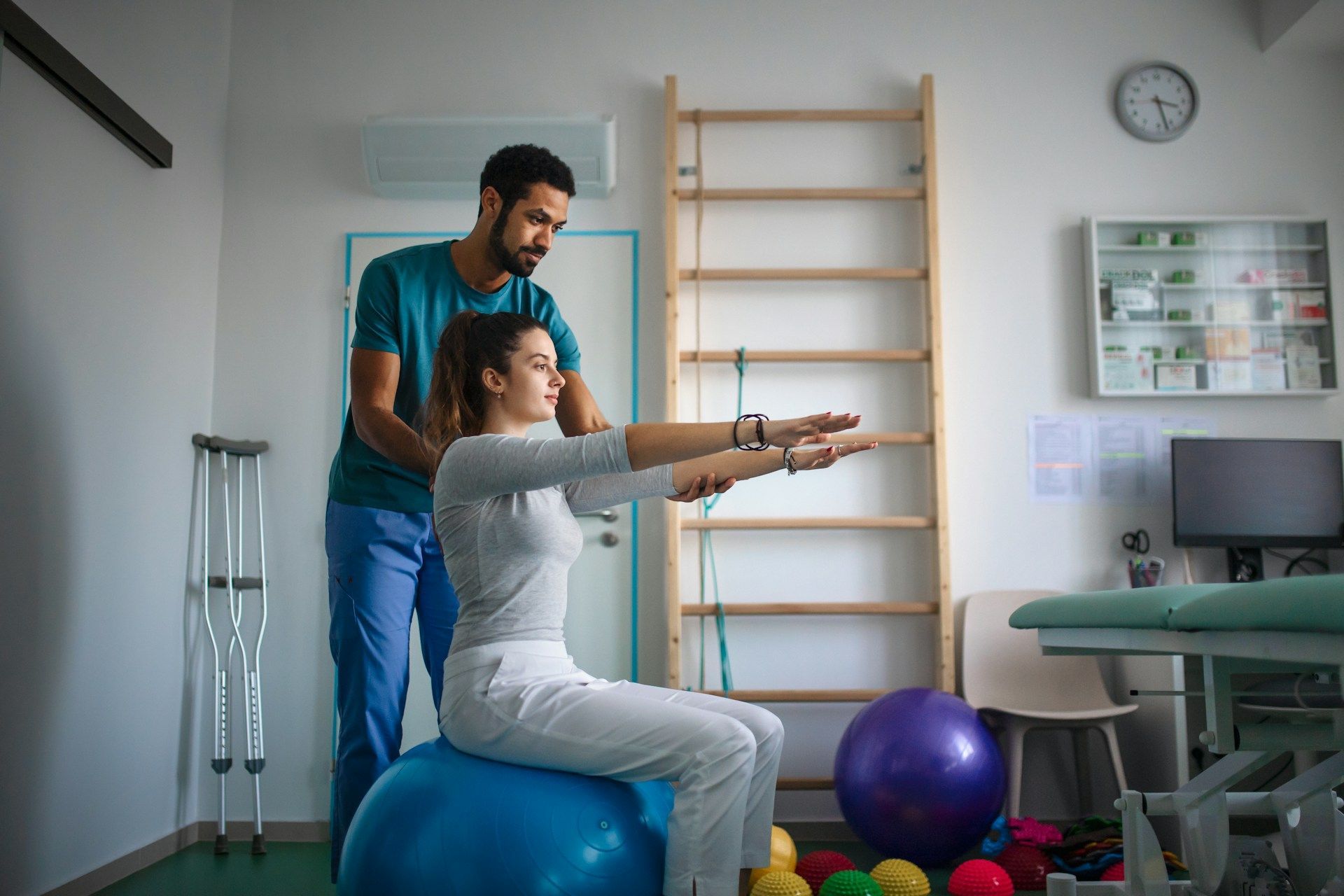
At Rebound Performance Physical Therapy in Central Connecticut, we work one-on-one with active teens and competitive high school athletes. Our focus is simple: non-surgical, medication-free care that helps you return to play stronger and more resilient. Offseason is where we clean things up and help you build a body that can handle a full season without breaking down.
Why Offseason Is Prime Time to Fix Pain and Build Power
During the season, you are just trying to survive the schedule. Practice, school, games, travel, repeat. Small aches get taped, stretched, or ignored so you can play. That sore throwing shoulder, tight hip flexor, or cranky knee often gets pushed aside until it becomes a bigger issue.
Common in-season problems that often get hidden include:
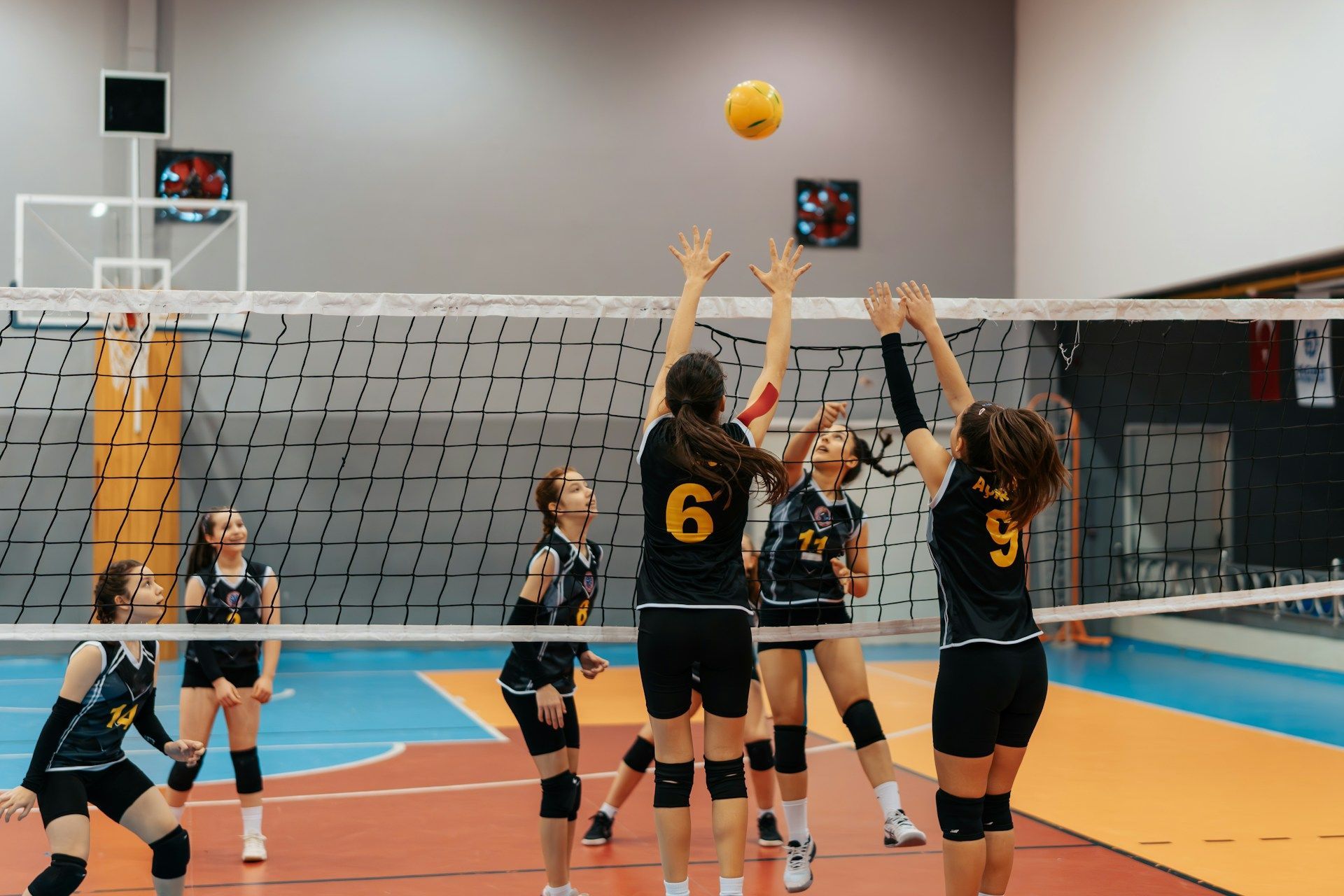
- Sore throwing or serving shoulder for baseball, softball, and volleyball
- Jumper’s knee for basketball and volleyball players
- Low back pain for wrestlers and football players
- Tight hamstrings and hip flexors for sprinters, soccer, and lacrosse athletes
When these issues are ignored, they do not just hurt, they cost you performance. You might notice:
- Slower sprint times and a slower first step
- Lower vertical jump or weaker push-off when cutting
- Loss of throwing velocity or control
- Hesitation when changing direction or planting on one leg
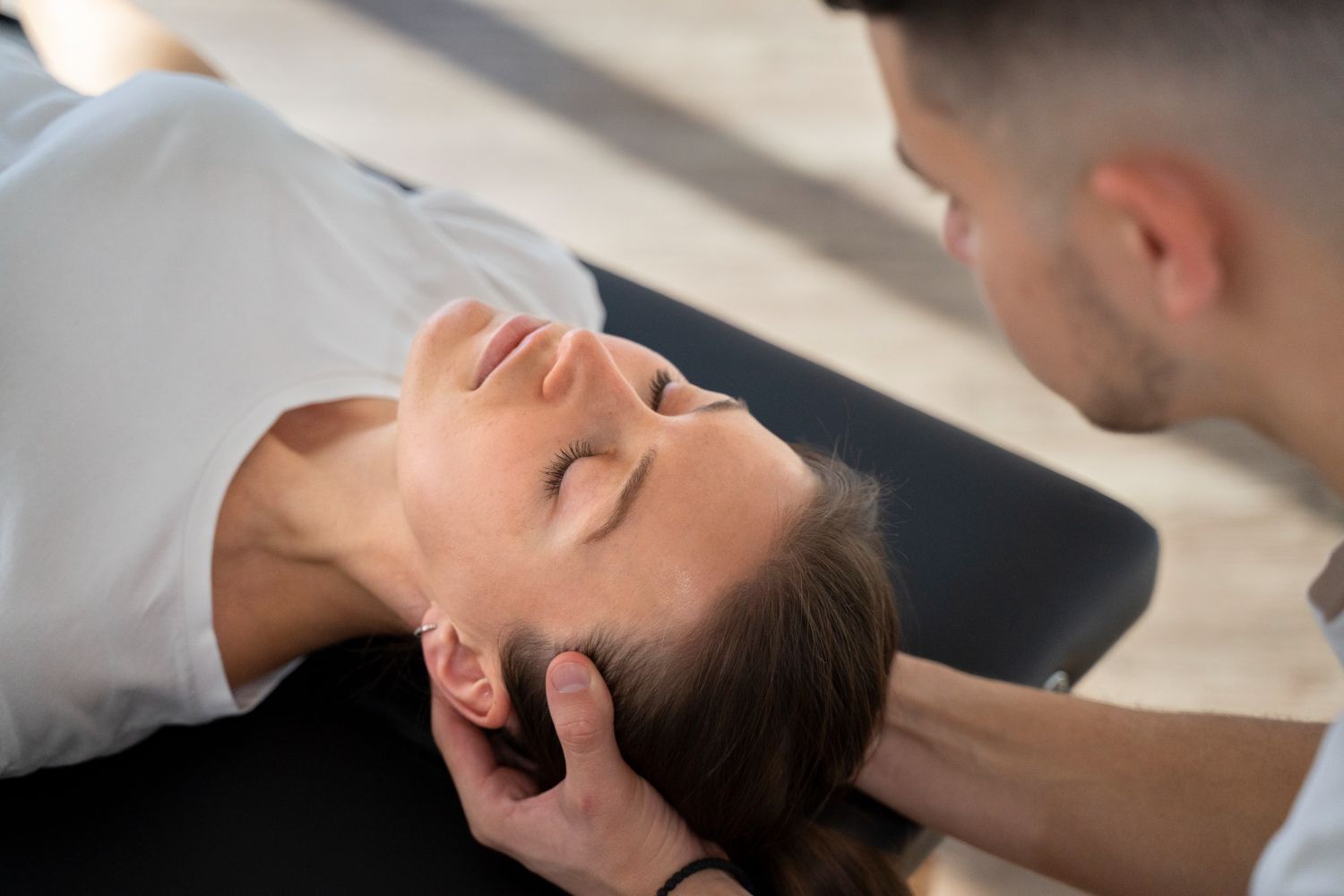
Offseason physical therapy for high school athletes gives us time to find the root of the problem instead of just chasing pain. We can improve your movement mechanics, address strength imbalances, and teach your body to produce power safely. That way, when practices and games pick back up, your body is ready to handle the load with less risk of overuse injuries.
Baseline Testing: Strength, Speed, and Mobility Metrics That Matter
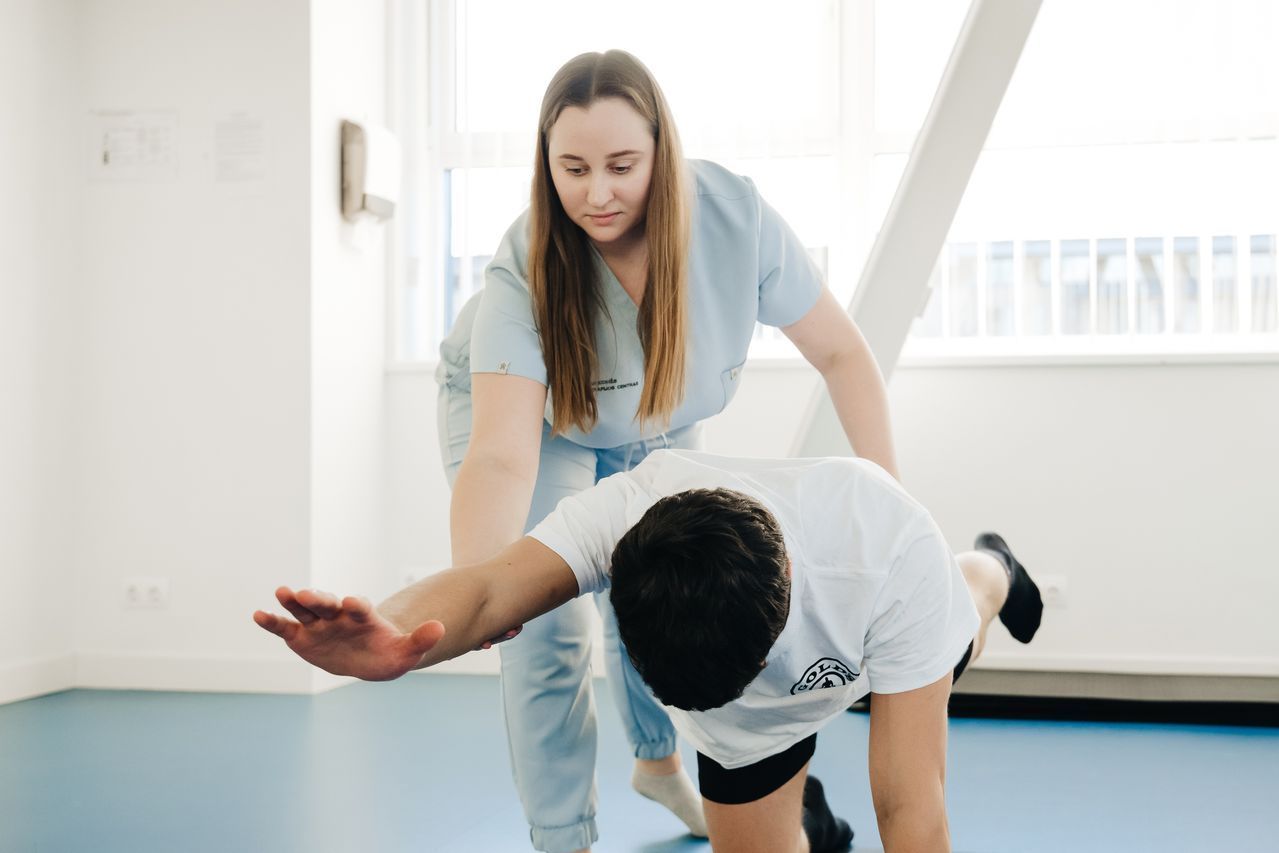
A smart offseason plan starts with knowing exactly where you are right now. At a sport-specific PT performance assessment, we look at how you move, how strong you are, and how well your joints handle the positions your sport demands.
A full assessment may include:
- Movement screen for squats, lunges, hinges, pushes, and pulls
- Single-leg strength and balance tests like step-downs or single-leg squats
- Core stability checks with planks, carries, and anti-rotation holds
- Joint mobility and flexibility tests, such as
- Hip mobility for soccer, lacrosse, and hockey
- Shoulder range of motion for baseball, softball, swimmers, and volleyball
- Ankle mobility for basketball, football, and court sports
For strength and power, we like clear, repeatable tests such as:
- Vertical jump or countermovement jump
- Triple hop for distance on each leg
- Rep-based strength on squats, hinges, rows, and presses
- Isometric holds or tempo reps to see how you control load
Speed and conditioning numbers help guide how we build your plan:
- 10- or 20-yard acceleration for football, track, and court athletes
- 30-yard sprint or flying 10 for field sports like soccer and lacrosse
- Simple conditioning intervals that match your sport demands, like repeated shuttles or work-to-rest sets
We record these metrics at the start so we can compare again after six weeks. Those before-and-after numbers show you exactly how much stronger, faster, and more mobile you have become, instead of just guessing.
Six-Week Strength Progression to Build a Durable Base
A solid six-week strength block for high school athletes usually runs 2 to 3 sessions per week. We keep it focused and repeatable so your body can adapt without getting overwhelmed.
A simple structure might look like this:
- Weeks 1, 2: Technique, control, and building tolerance
- Weeks 3, 4: Higher loads, more volume, and moderate complexity
- Weeks 5, 6: Power work, faster intent, and more sport carryover
Across sports, we build around three main strength pillars:
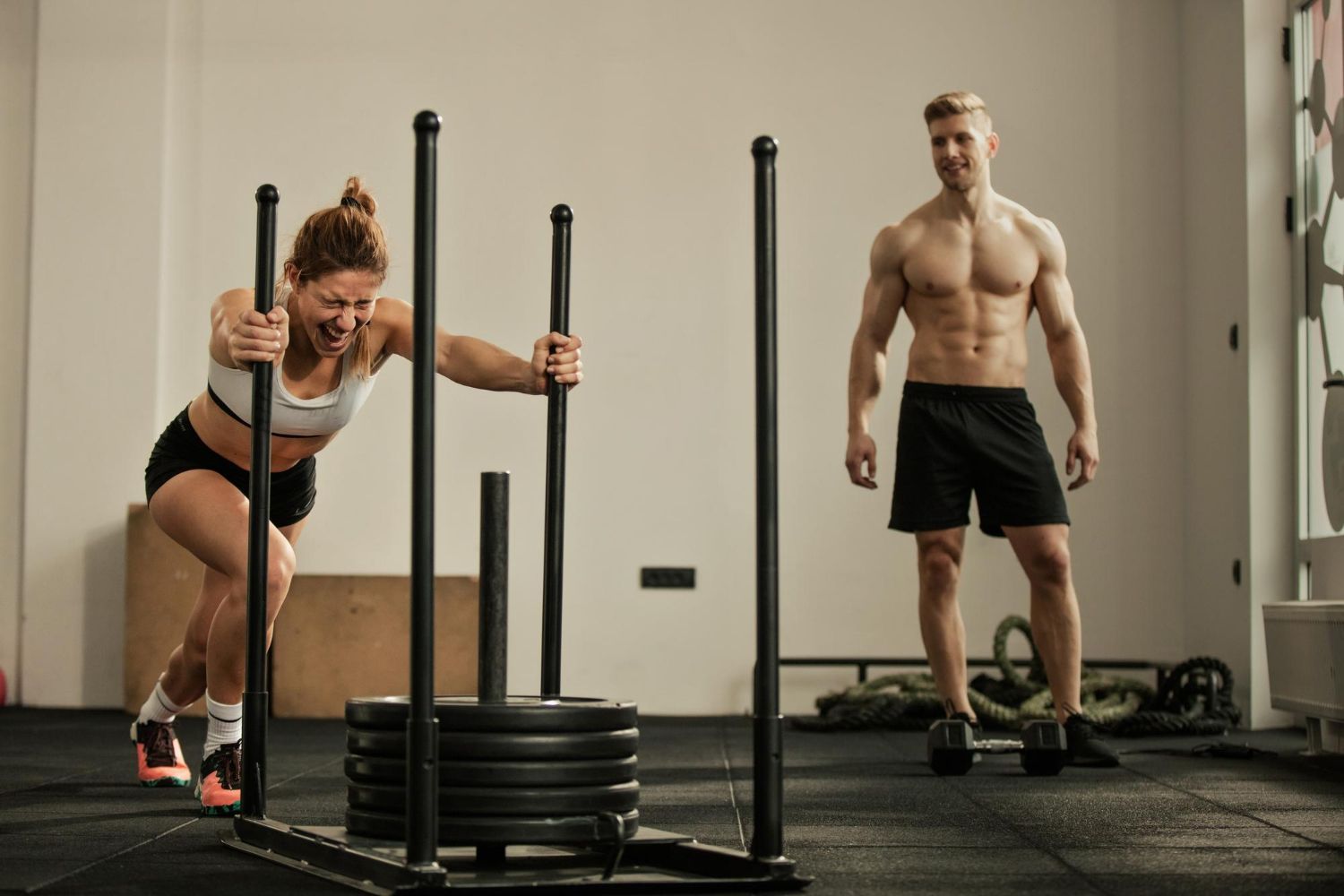
- Lower body: squats, hinges, split squats, step-ups, and hip-dominant work
- Upper body: push-ups, horizontal and vertical rows, presses, and pull variations
- Core: planks, dead bugs, anti-rotation presses, carries, and hip stability work
How this looks depends on your sport and position:
- Football linemen: more total-body strength and trunk bracing, heavy split squats, presses, and loaded carries
- Distance runners: lighter loads with high control, single-leg strength, calf and hip stability, and strong core endurance
- Basketball guards: power-focused lower body, controlled landings, upper back strength, and strong core for contact
Because this plan is guided by physical therapy, load management is a priority. We track soreness, monitor how your body responds, and adjust volume around club, AAU, or offseason leagues. Recovery tools like mobility drills, easy aerobic work, basic education on sleep, and simple nutrition habits all help you get the most from the program without burning out.
Speed, Agility, and Mobility: Turning Strength Into Game Skills
Strength is the base, but you still have to move like your sport demands. During the same six-week window, we layer in speed, agility, and mobility work 2 to 3 times per week, often in shorter blocks around your strength sessions.
Speed and agility training often includes:
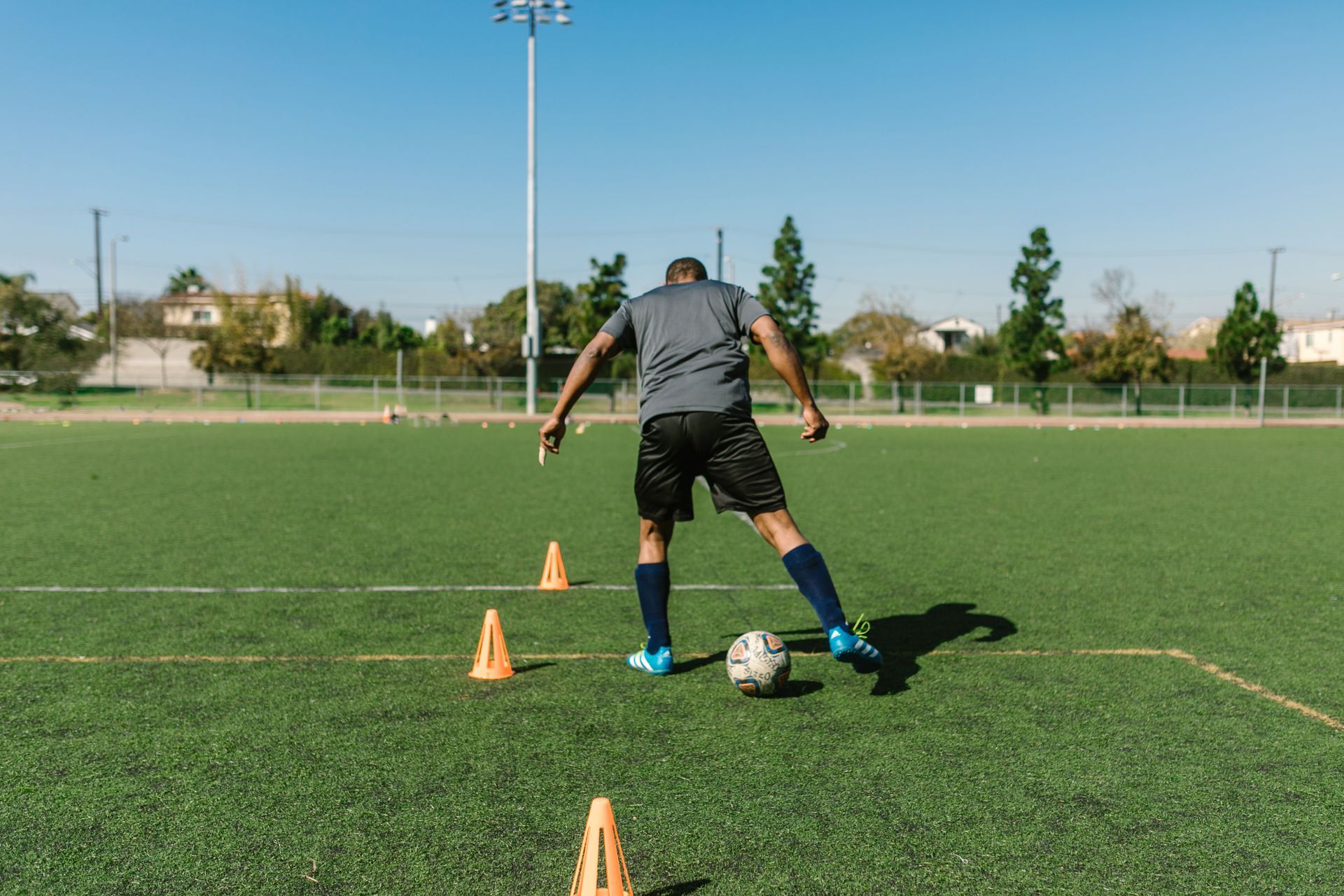
- Acceleration drills with 5- to 20-yard bursts
- Deceleration and landing mechanics to teach safe, strong stops
- Change-of-direction patterns like shuffles, cuts, and redirects
- Sport-inspired drills such as football route breaks, basketball closeouts, or soccer and lacrosse cutting patterns
Mobility and stability work keeps your joints moving well and protected:
- Hip and ankle mobility for court and field sports to help with cutting and jumping
- Thoracic spine mobility and shoulder stability for overhead athletes
- Hamstring and calf care for sprinters, receivers, jumpers, and field players who are always sprinting
Over six weeks, this part of the plan progresses too:
- Early weeks: slower, controlled drills focused on clean form and body awareness
- Middle weeks: small changes in direction, low-level reactive cues, and slightly more speed
- Final weeks: faster patterns, more unpredictable cues, short small-sided or position-based drills so you feel game-ready, not just strong in the gym
When strength, speed, and mobility are all trained with a plan, your body learns to use new muscle in real game situations. You end up quicker, smoother, and more confident when the whistle blows.
Turn Your Offseason Into a Competitive Edge with PT
Offseason is your chance to close the gap. It is when you can finally fix the aches you taped over all year, improve your testing numbers, and build a body that can handle high school practices, club seasons, and showcases without constantly breaking down.
At Rebound Performance Physical Therapy, we build customized six-week testing and progression plans for high school athletes in sports like football, basketball, baseball, softball, soccer, lacrosse, wrestling, track and field, volleyball, and more. We look at your sport, your position, your past injuries, and your current schedule, then lay out a clear path so you can return to your next season faster, healthier, and more explosive.
Help Your High School Athlete Return Stronger and Safer
If your teen is working through pain or recovering from an injury, we are here to support every step back to the field, court, or track. Our specialized
physical therapy for high school athletes is built around performance, safety, and long-term health. At Rebound Physical Therapy, we tailor each plan to your athlete’s sport, season, and goals so they can compete with confidence. Ready to get started or have questions about scheduling, coverage, or next steps? Just
contact us and we will help you set up the right plan.
Recent Blog Post