High School Fall Sports PT Prehab: In-Season Screening and Injury Prevention
Build a Stronger Season Before the First Whistle
High school fall sports hit fast. One week you are doing some light workouts, and the next you are in full pads, full scrimmages, or daily court sessions. Those little aches in your knees, hips, or shoulders can turn into real problems once the schedule fills with games and travel.
That is where prehab comes in. Prehab is proactive physical therapy and performance work that helps you stay healthy, move better, and keep playing. It is not about sitting out and resting. It is about training the right way so you do not end up benched later.
In this guide, we are talking about in-season screening, smart load management, and sport-specific injury prevention for soccer, football, and volleyball athletes. We work with a lot of Central Connecticut high school athletes, and we see the same patterns every fall. Physical therapy for high school athletes is not just for after an injury, it is a way to gain a real edge, stay on the field or court, and show coaches what you can do for a full season.
Why Prehab Matters in Fall High School Sports
Fall sports put a special kind of stress on your body. August can mean two-a-days in the heat, long practices on turf, and quick jumps from low-key summer training to full-contact or high-speed play. Soccer brings constant cutting, sprinting, and striking. Football has collisions, blocking, and rapid changes of direction. Volleyball is loaded with jumping, landing, and overhead swings.
With all that, certain injuries show up over and over in the fall:
- Ankle sprains from bad landings or cutting on uneven grass
- ACL tears from awkward pivots or decelerations
- Hamstring and quad strains from hard sprints and kicks
- Shoulder pain for hitters and servers in volleyball
- Overuse issues in knees, hips, and low back when training load jumps too fast
There is a big difference between being tough and being smart. Training through normal soreness is part of sports. Training through sharp pain, swelling, or repeated “tweaks” is different. Ignoring those early signs can lead to missed games, lost starting spots, or even surgery down the line.
Our performance-focused approach is built around one-on-one care, sport-specific testing, and plans that match your in-season demands. Instead of just saying “rest and ice,” we look at how you move, how much you move, and what your sport actually asks of your body.
In-Season PT Screening for Soccer, Football, and Volleyball
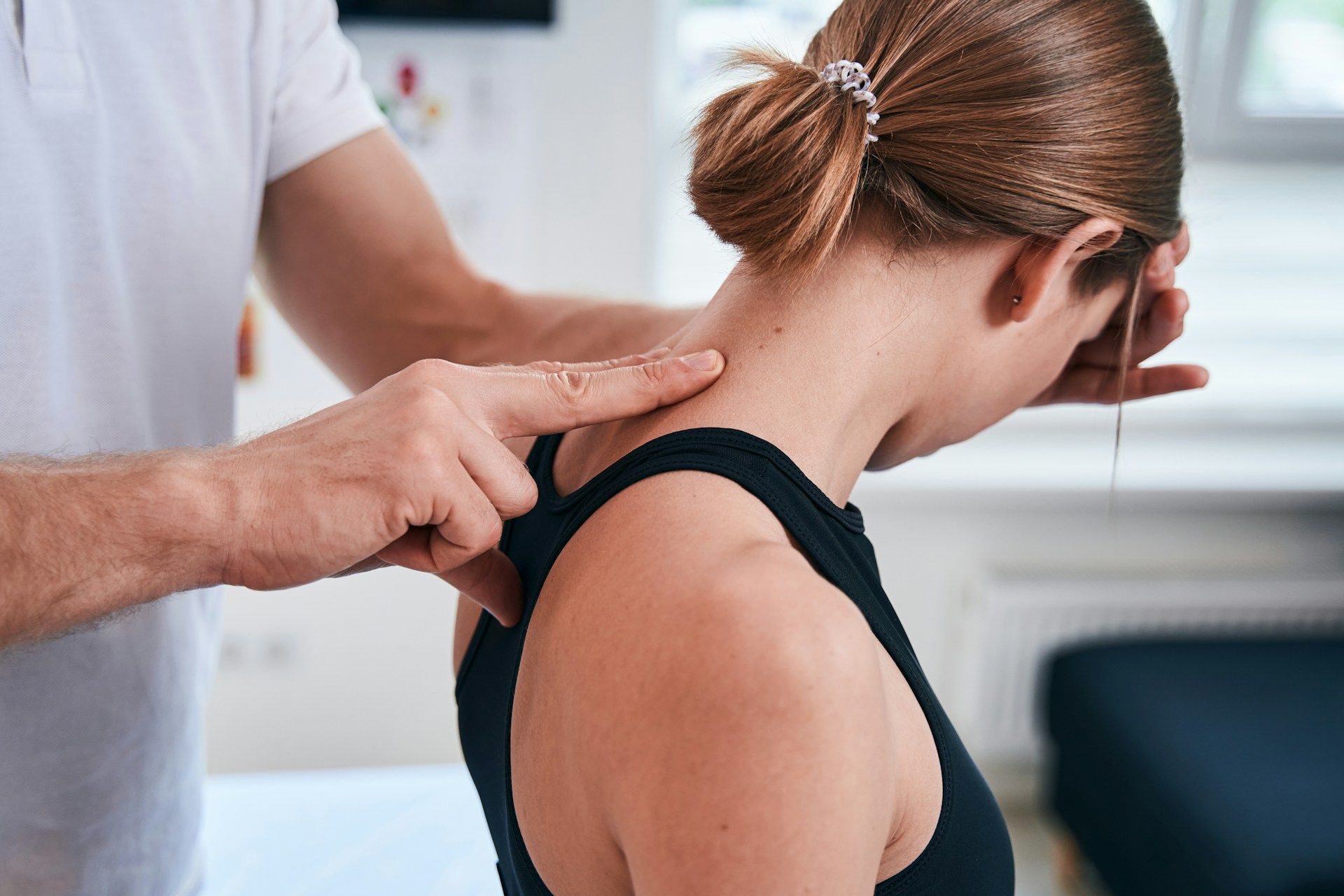
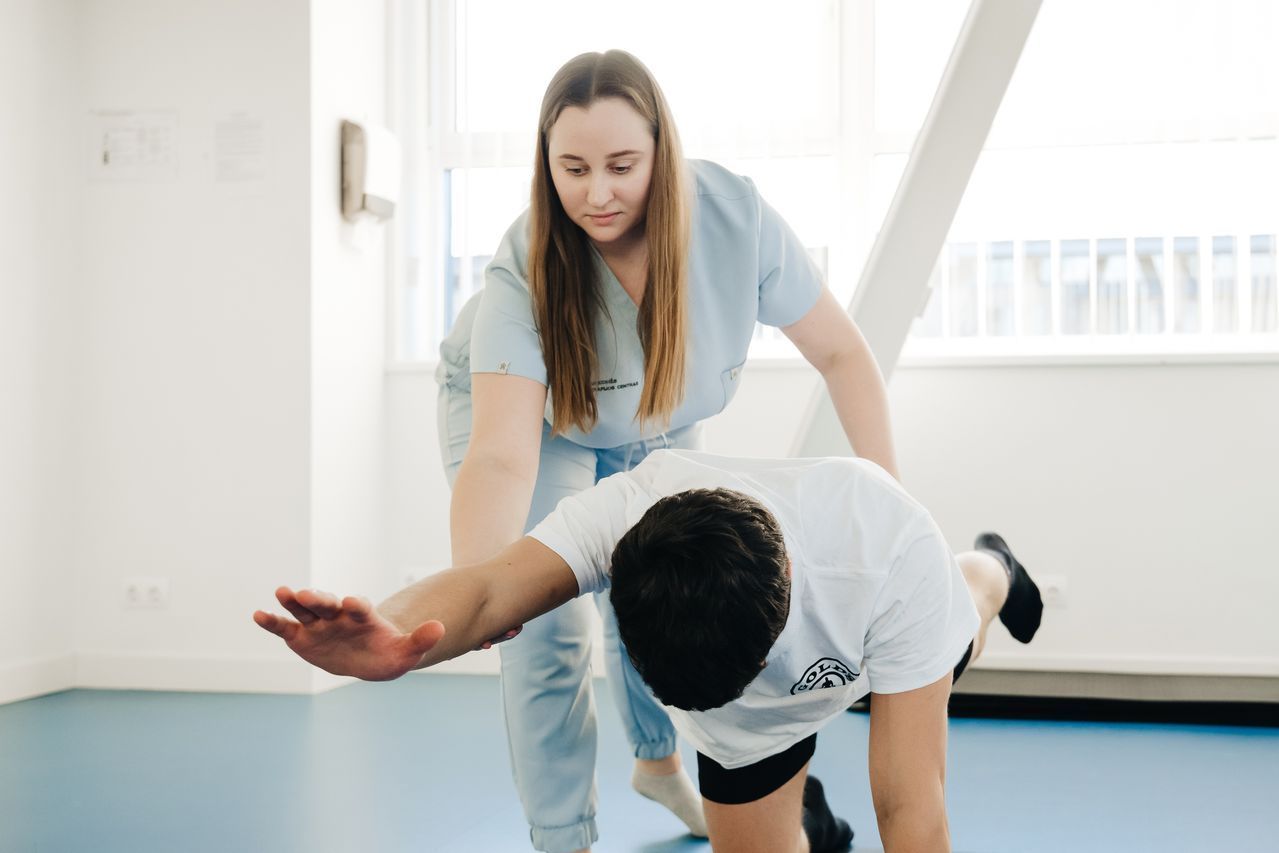
An in-season physical therapy screen does not have to be long or complicated. It is a focused check of how you move, how strong you are, and how well you control your body in patterns that show up in your sport and your position.
A typical screen might include:
- Strength checks for hips, hamstrings, quads, core, and shoulders
- Mobility tests for ankles, hips, and thoracic spine
- Balance drills, like single-leg stance or reach tests
- Power and control work, like small jumps, hops, or cutting movements
Then we zero in on sport-specific needs.
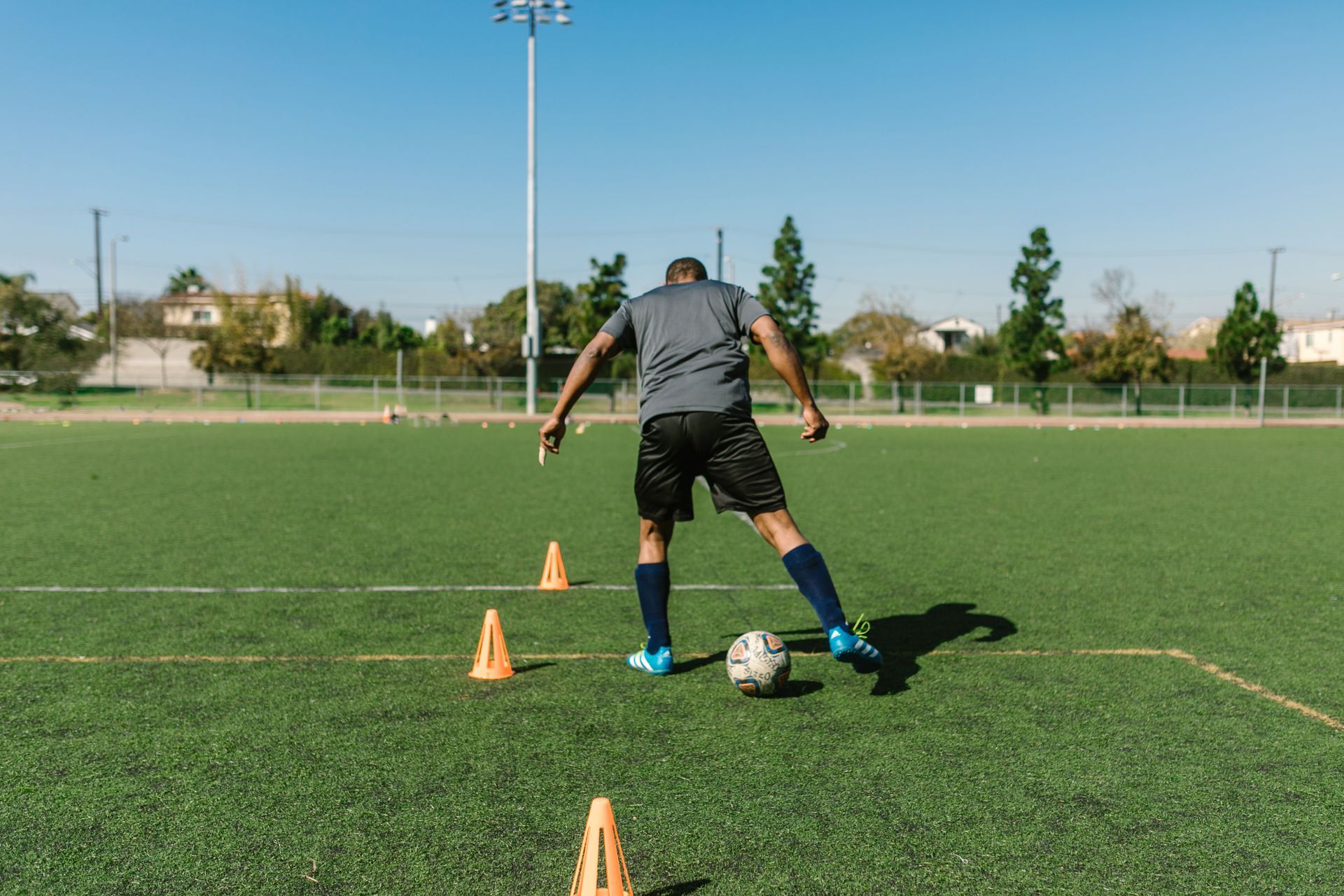
Soccer:
- Single-leg balance and control for planting and shooting
- Hip and ankle mobility for quick changes of direction
- Hamstring strength for sprinting, deceleration, and late-game speed
Football:
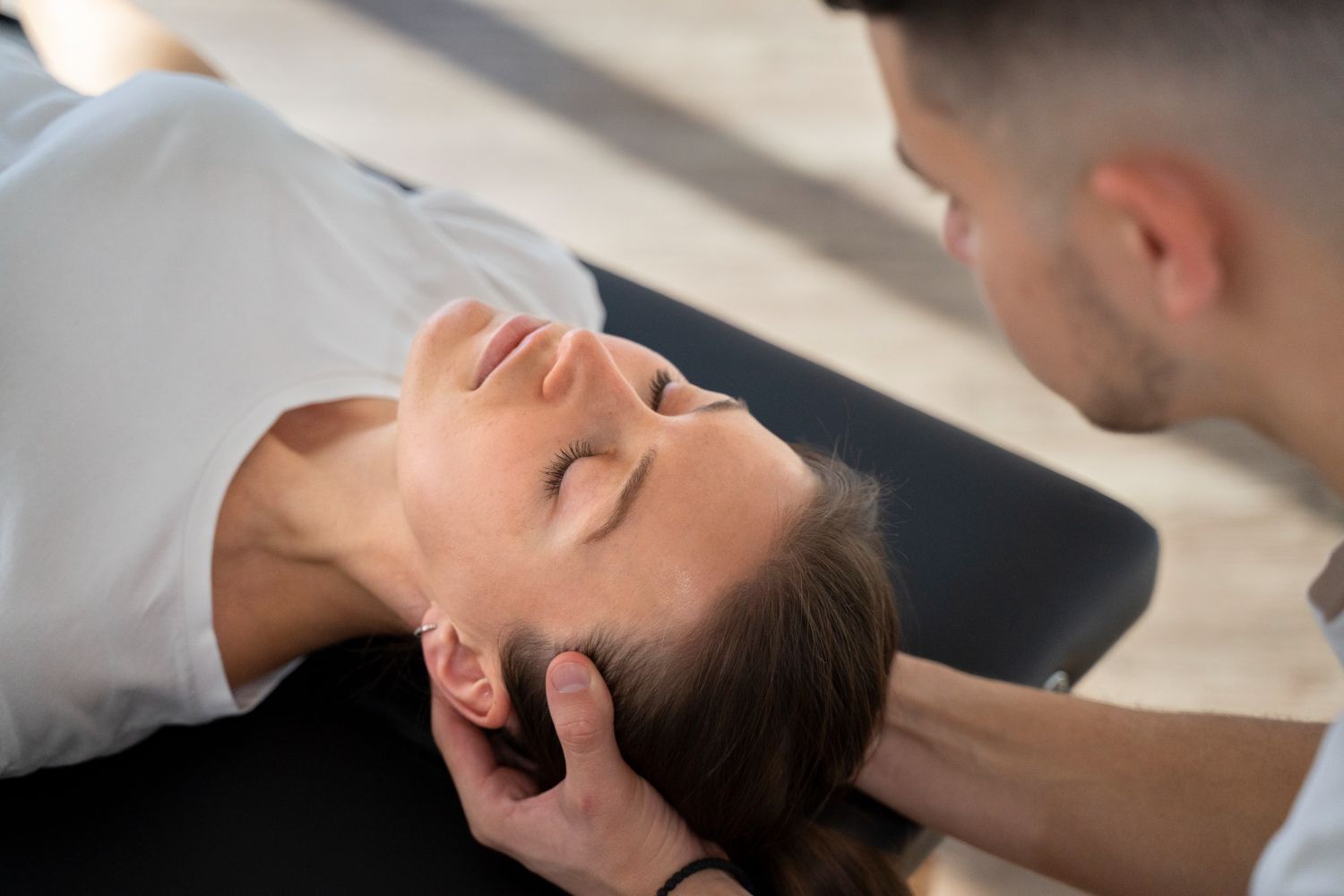
- Neck and shoulder strength for contact and protection
- Hip and knee control in stances, tackles, and blocks
- Core stability to transfer power and protect the spine
Volleyball:
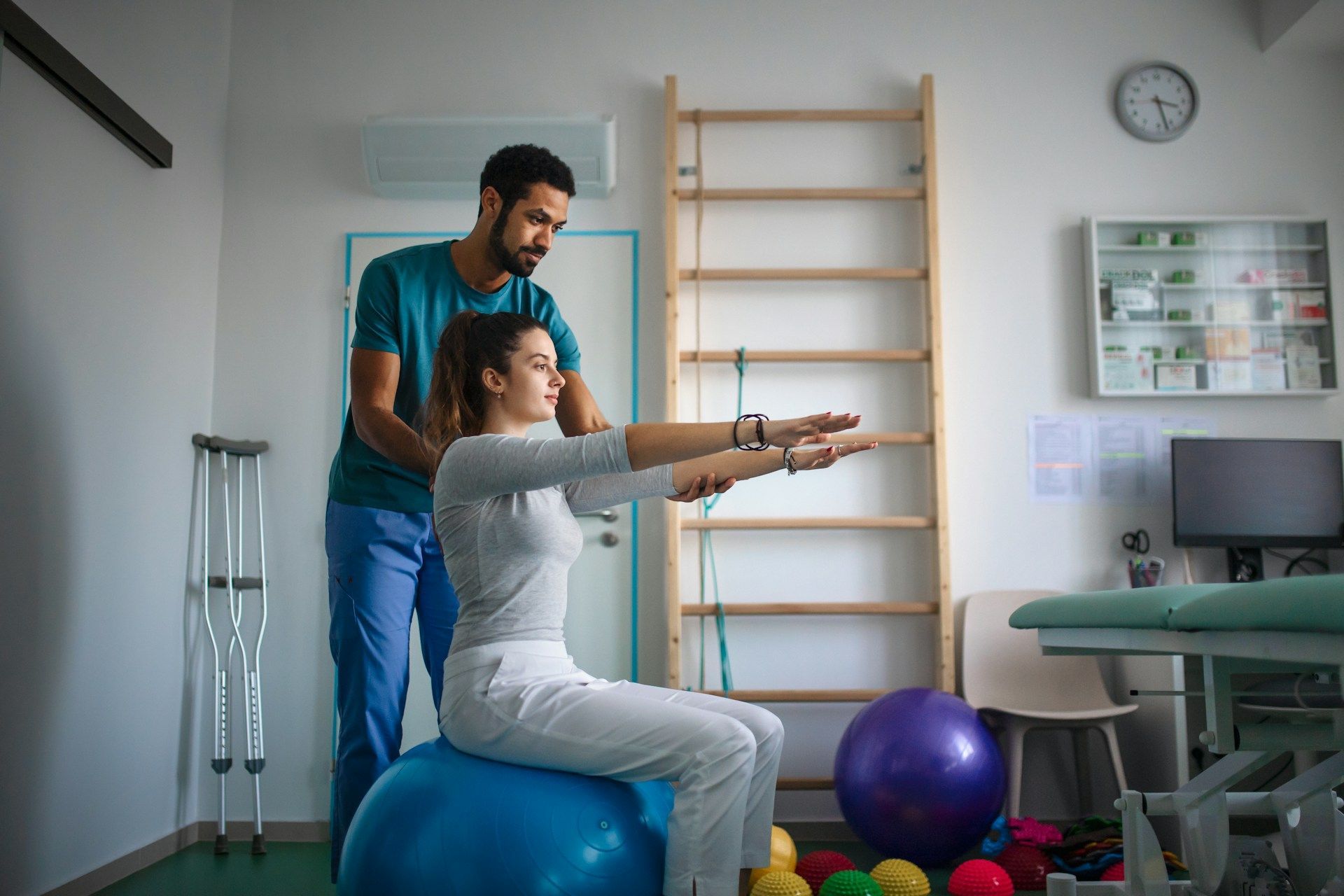
- Shoulder mobility and rotator cuff strength for serving and hitting
- Landing mechanics to keep knees and ankles safe on every jump
- Trunk rotation and control for powerful swings and quick moves
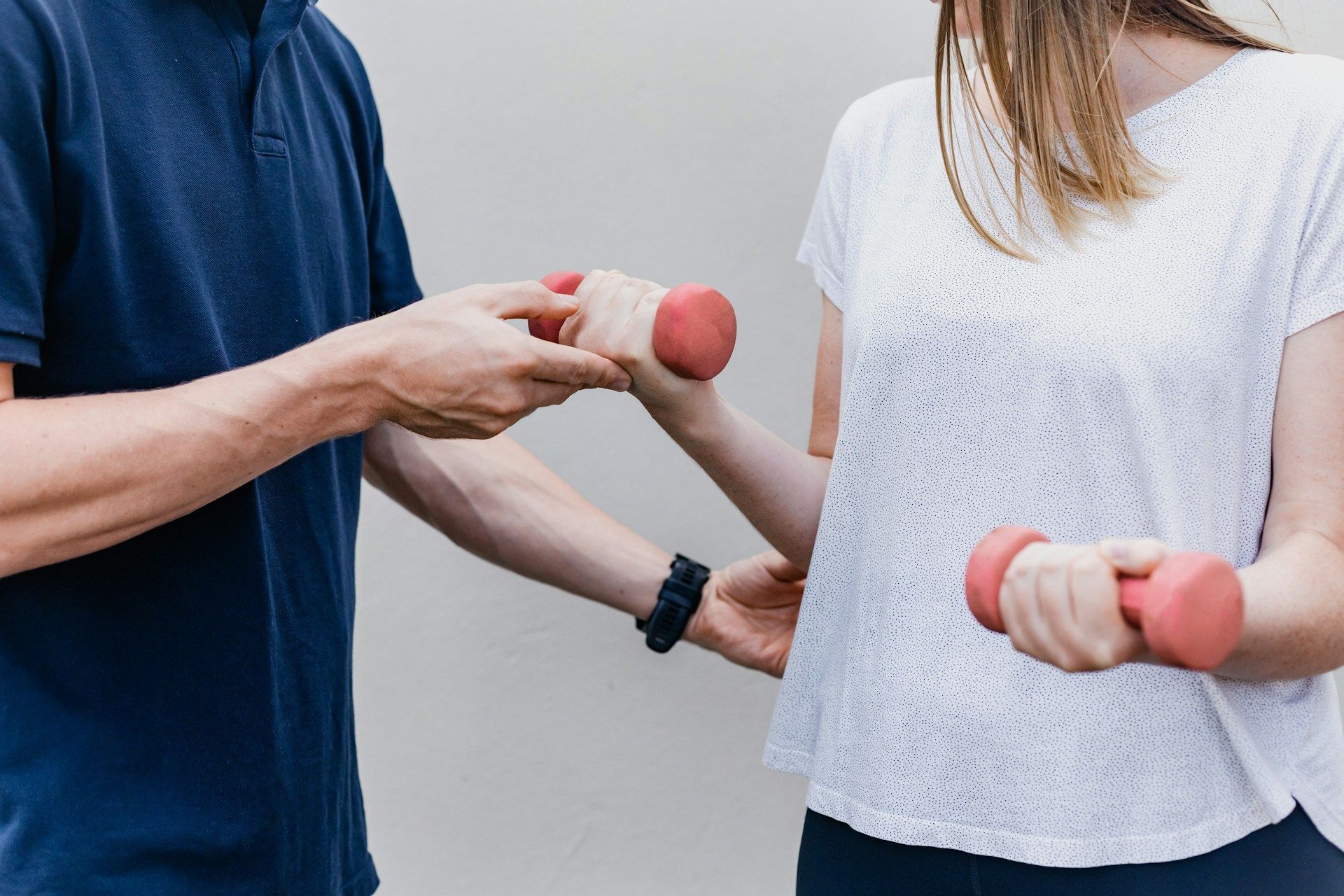
Physical therapy for high school athletes should fit real life. Once we find weak spots or red flags, we build quick routines that fit before or after practice. That might mean a 5-minute activation before warm-ups or a short stability series after cool-down. In-season screens are meant to be fast and practical, especially in early fall, so we can catch problems like asymmetries, limited mobility, or pain with certain movements before they cost you weeks later in the season.
Smart Load Management to Stay Fresh All Season
When we talk about “load,” we mean the total stress your body takes on. That includes:
- Practices and games for school
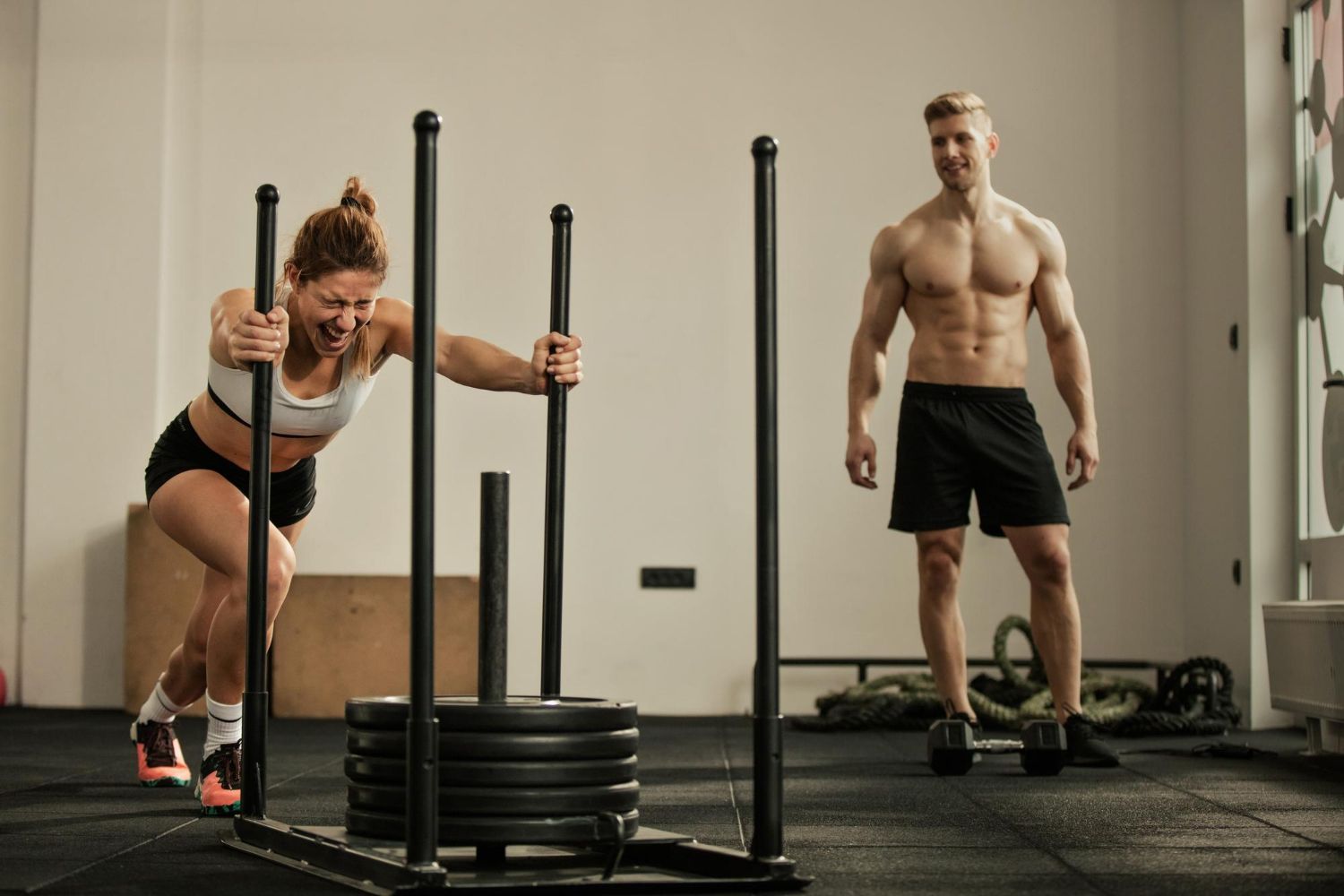
- Strength training and conditioning sessions
- Club teams or extra leagues
- PE class or pickup games with friends
If your weekly workload spikes all at once, your injury risk goes up. For example, going from casual summer play to double practices plus games is a big jump. Your muscles, tendons, and joints need time to adapt.
Simple tools athletes and parents can use:
- Keep a basic training log with minutes of intense work, games, or heavy lifting days
- Use a 1 to 10 rating before practice for fatigue and soreness, with 1 feeling fresh and 10 feeling wrecked
- Watch for warning signs like pain that lingers more than 48 hours, slower sprint times, heavy legs, trouble sleeping, or frequent headaches
A sports physical therapist can help map out your week so you are not going hard every single day. That could mean shifting heavy lifts away from game days, adjusting conditioning when school and club overlap, or adding honest recovery days. The goal is to stay sharp for big matchups and postseason, not peak in September and fade by mid-October.
Sport-Specific Injury Prevention That Fits Your Schedule
The best injury prevention work is short, focused, and done consistently. You do not need hour-long extra workouts. Ten to fifteen minutes built into your warm-up or cool-down can make a big difference.
For soccer, good prehab might include:
- Dynamic warm-ups with leg swings, skips, and controlled lunges
- Hip mobility drills for better cutting and stride length
- Hamstring strength work like bridges and controlled curls
- Single-leg balance and change-of-direction drills for knee and ankle control
For football, we often focus on:
- Posterior chain strength, especially glutes and hamstrings, for speed and protection
- Neck and shoulder stability to handle contact
- Core bracing and anti-rotation work to keep the spine safe under impact
For volleyball, key pieces are:
- Shoulder prehab like band work and scapular control drills
- Landing mechanics with soft, balanced landings and proper knee alignment
- Calf and ankle strengthening to tolerate frequent jumps and quick moves
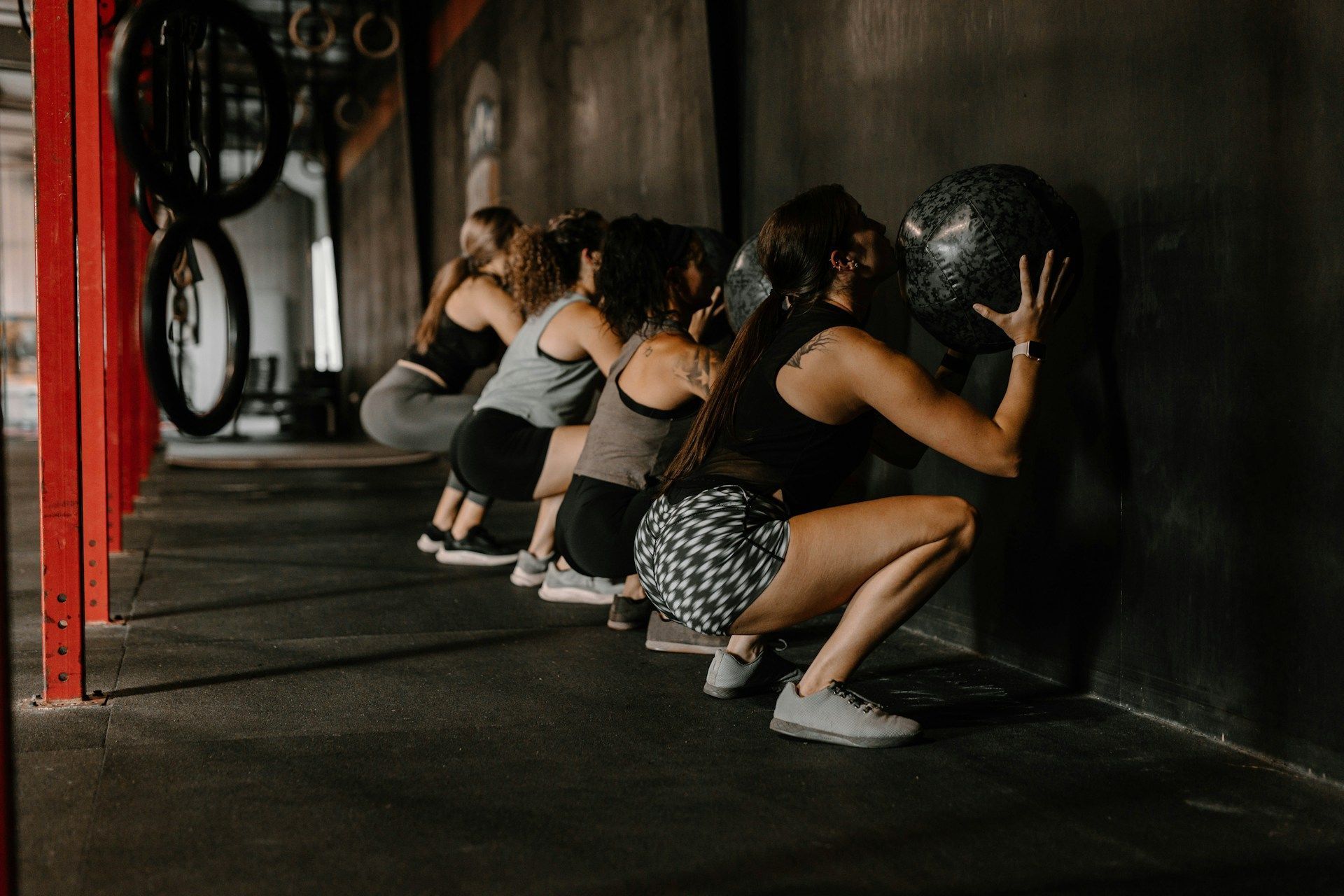
Physical therapy for high school athletes should feel like performance training. The right exercises help with vertical jump, sprint speed, cutting efficiency, and hitting or kicking power, while also reducing injury risk. At Rebound Physical Therapy, we tailor these routines to you, factoring in your position, past injuries, and where you are in the season, so you are not stuck doing the same generic set of exercises as everyone else.
Take Control of Your Season with Proactive PT Support
You do not have to wait for a major injury to take your body seriously. The early weeks of the season are a perfect time to get an in-season PT screen, talk through your school and club schedule, and build a prehab plan that matches your goals.
We work one-on-one with soccer, football, and volleyball athletes across Central Connecticut who want to stay in the game, earn more minutes, and finish the season feeling stronger than they started. When you treat physical therapy for high school athletes as a performance tool, not just a way to limp back from injury, you give yourself a clear edge.
Help Your High School Athlete Return Stronger and More Confident
If your teen is working through pain, a recent injury, or lingering soreness from their sport, we are here to help them move, perform, and compete at their best. Our specialized
physical therapy for high school athletes programs are individually tailored to the demands of their sport and season. At Rebound Physical Therapy, we focus on both safe recovery and long-term performance, so they can return to the game with confidence. Ready to schedule an appointment or ask a question about your athlete’s situation? Just
contact us and we will walk you through the next steps.
Recent Blog Post