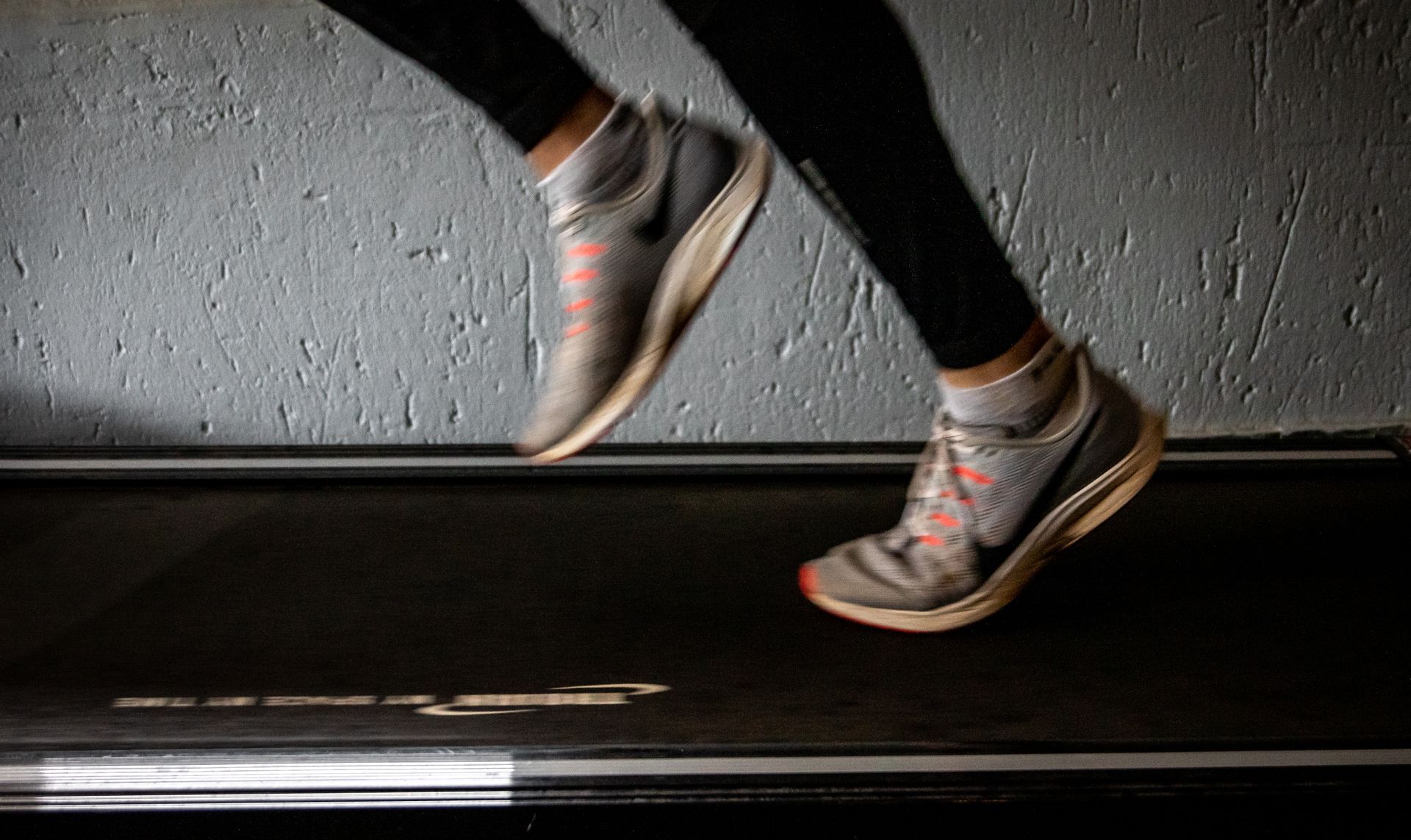
Managing High School Athlete Physical Therapy During Playoffs
Keeping Your Playoff Season Alive, Not on the Sidelines
Playoff time should be about chasing a title, not sitting on the bench with ice bags. When the games matter most, high school athletes in U.S. sports like football, soccer, volleyball, cross country, and field hockey often see little aches turn into real problems. Intensity goes up, practices get sharper, and every sprint or collision hits a little harder.
The hard part is timing. A sprain or strain in the middle of the playoffs does not line up with the classic “rest 6 to 8 weeks” advice. Athletes want to play now, not when the bracket is already finished. Smart physical therapy for high school athletes can help manage that gap by keeping things safe, clear, and structured, instead of just hoping tape and pain cream will get you through.
A performance-focused, one-on-one physical therapy approach can help active athletes return to their sport quickly but safely, with sport-specific rehab plans and a strong focus on avoiding surgery or pain medication when possible.
Understanding Playoff-Phase Injuries in High School Sports
Late in the season, the injury list often looks different than it did in the first few weeks. Each sport has patterns that deserve close attention.
Common late-season issues include:
- Football: shoulder sprains, AC joint irritation, ankle sprains, hamstring strains, low back pain
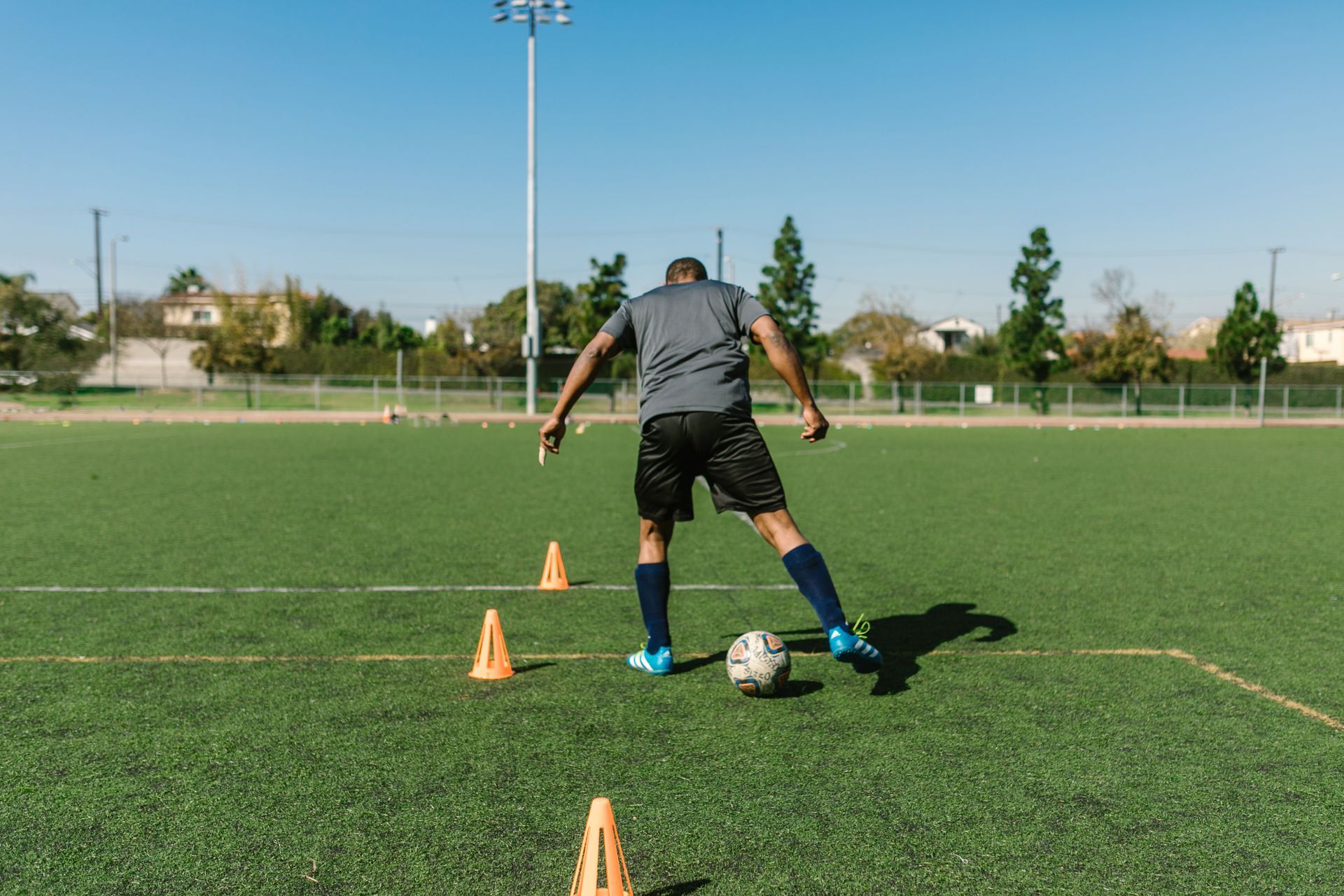
- Soccer and field hockey: groin strains, quad and hamstring pulls, knee pain, ankle sprains
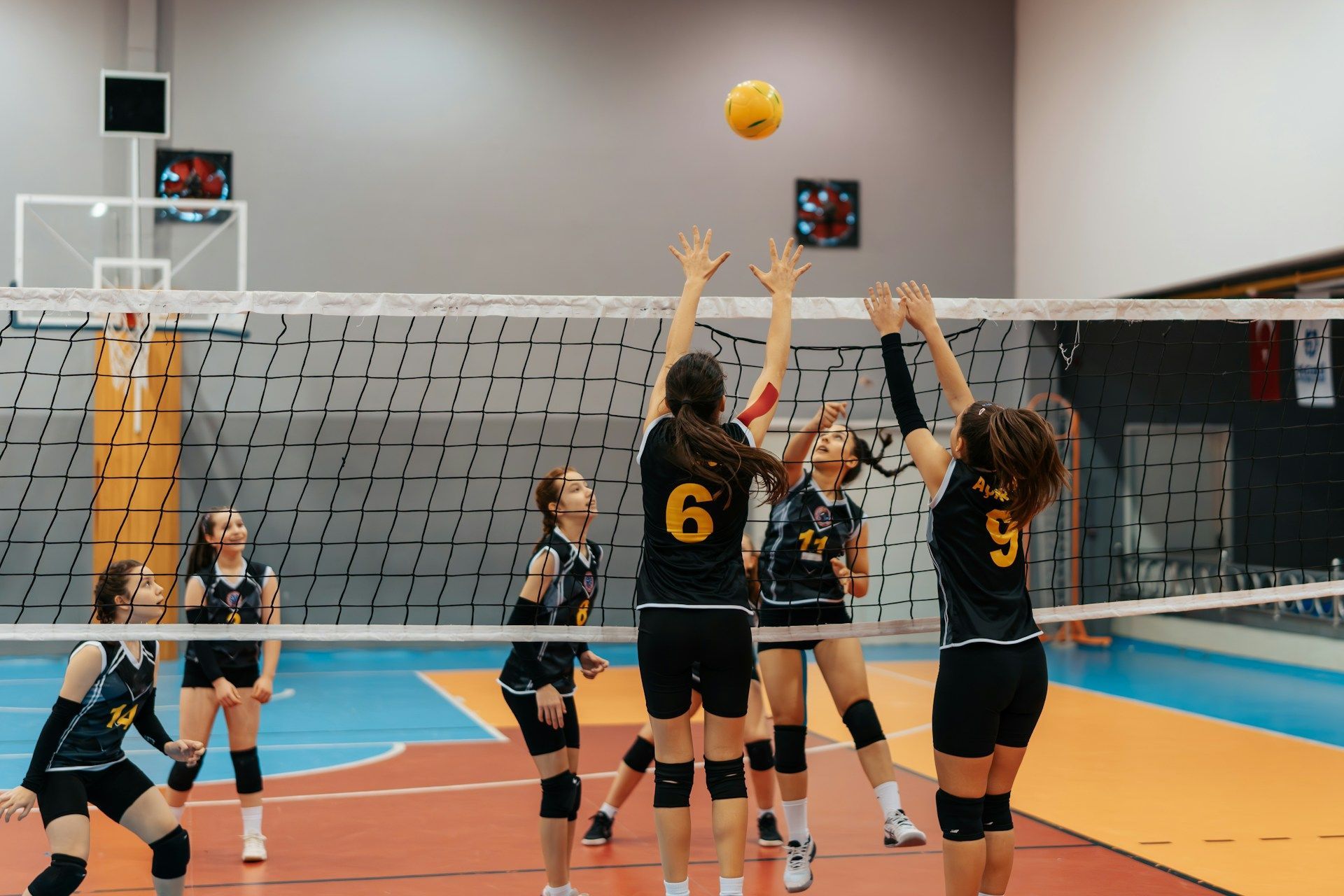
- Volleyball: jumper’s knee, shoulder overuse, low back pain, rolled ankles
- Cross country: shin splints, stress reactions, plantar fasciitis, hip pain
From September through November, bodies carry a full season of hits, miles, and jumps. Fatigue builds up, contact increases in playoff games, cold air makes muscles and tendons tighter, and there is often less time between practices and matches. All of that raises the risk of “just sore” turning into “out for the season.”
It helps to know the difference between a playable injury and a dangerous injury. Red flags that need fast evaluation include:
- Sudden loss of strength or power
- A joint that locks, catches, or keeps giving way
- Sharp, worsening pain that does not settle with rest
- Visible swelling, bruising, or a clear “pop” when it started
Pain that changes how you move or makes you limp or affects your jumping is also a sign to stop guessing and get checked.
How Physical Therapy for High School Athletes Works During Playoffs
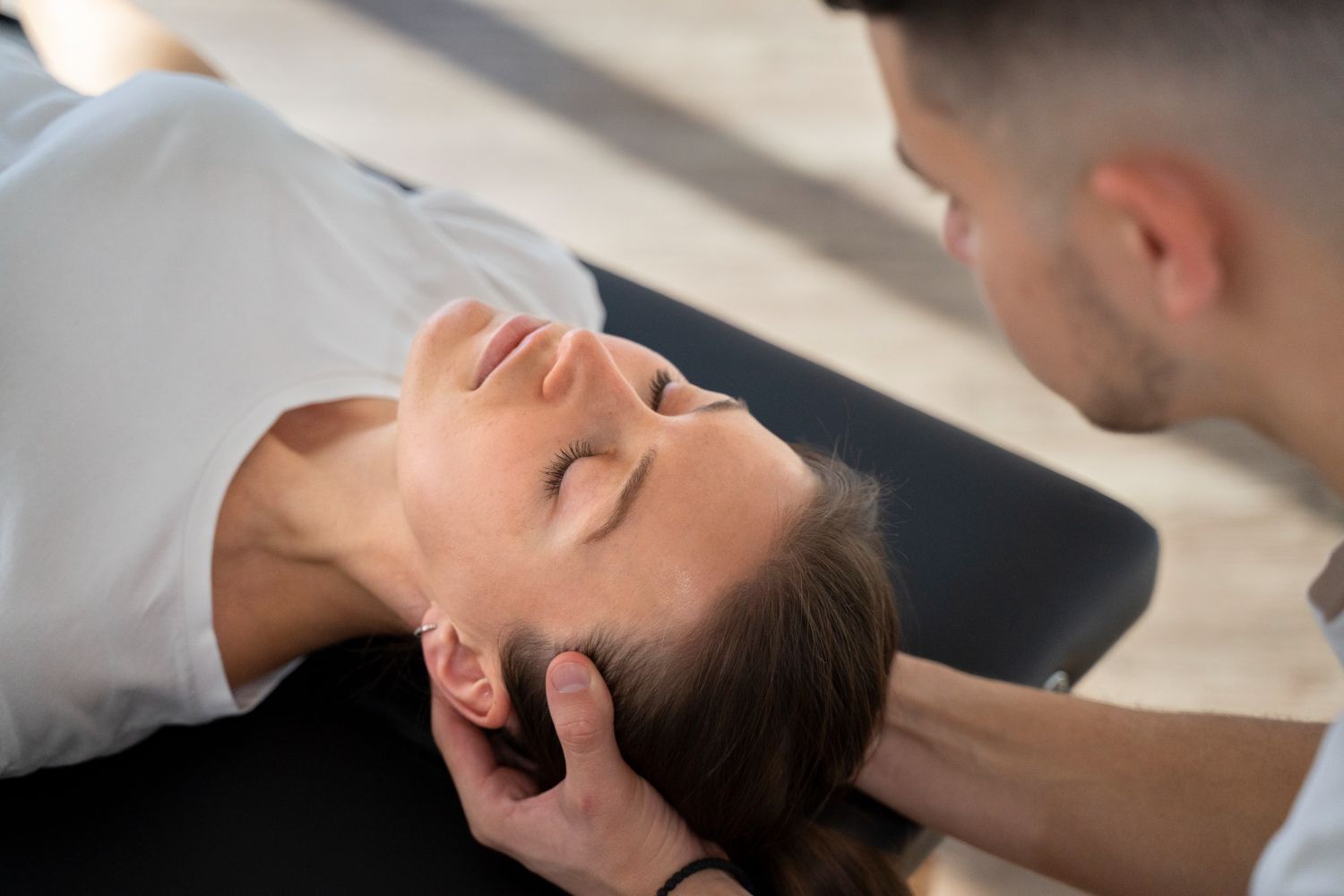
In-season physical therapy is not the same as off-season rebuilding. During playoffs, treatment works around the schedule and focuses on what matters most: can you safely compete and perform your role?
A playoff-phase evaluation usually includes:
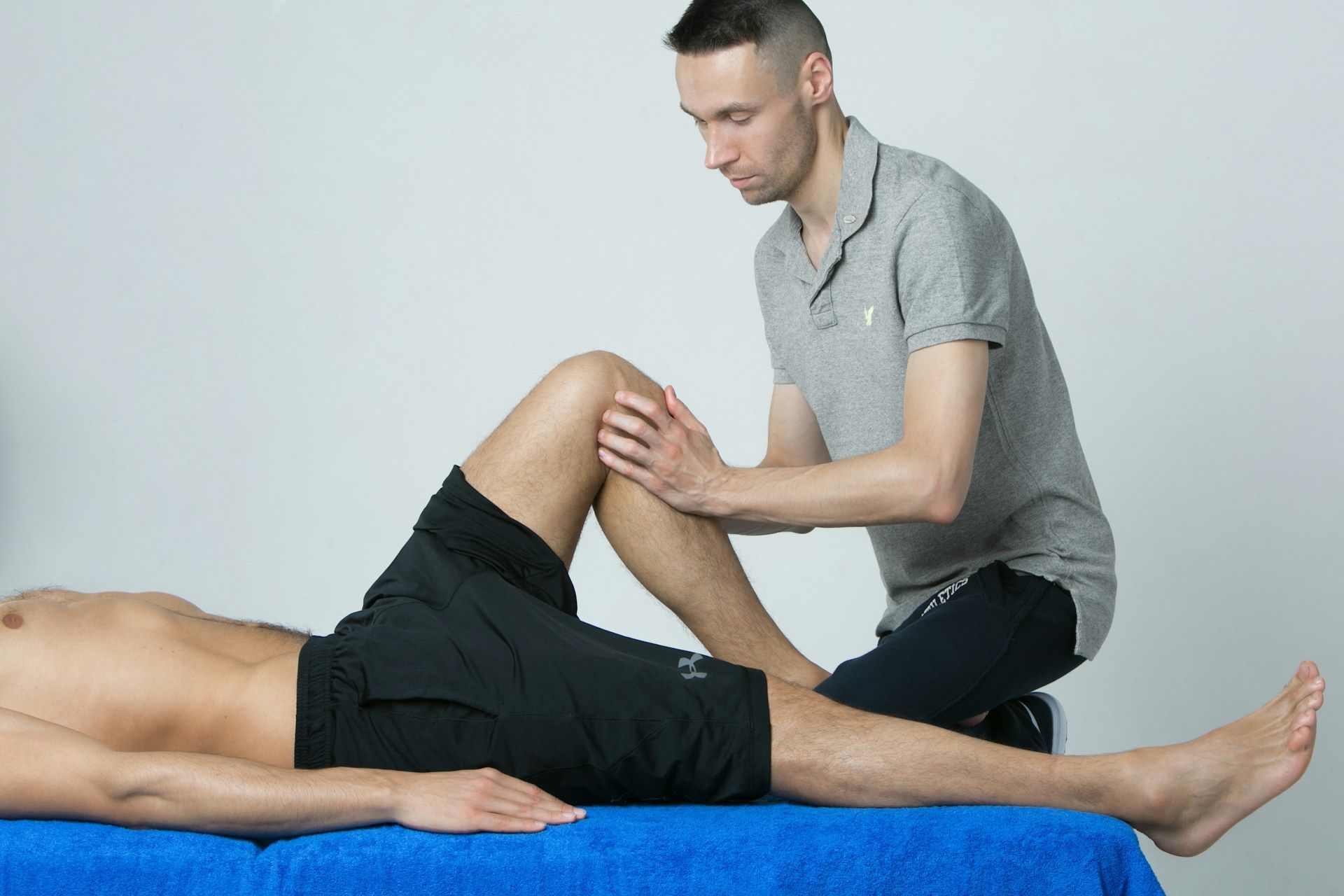
- A quick but thorough exam of the injured area
- Sport-specific movement testing like cutting, jumping, landing, throwing, or sprinting
- A clear return-to-play discussion with the athlete, a parent, and sometimes the coach
When time is tight, treatment priorities often shift. The focus is on:
- Calming pain and swelling fast with hands-on work, taping, and targeted exercises
- Protecting the injured area without completely shutting the athlete down unless necessary
- Keeping strength, speed, and power in the rest of the body so performance does not drop
Physical therapy for high school athletes should feel very specific. A quarterback needs different work than a lineman. A volleyball outside hitter does not move like a libero. A soccer striker has different demands than a center back, and a sprinter does not train like a distance runner. Drills and progressions should match the exact position and sport.
Balancing Playing Time and Long-Term Health
One of the hardest parts of playoffs is making honest “play or rest” decisions. A performance-focused approach is to lay out the options clearly so families can decide with good information, not just emotion.
Key points to discuss include:
- Short-term upside: staying on the field for big games and helping the team
- Short-term risks: a higher chance of aggravating the injury in the next week or two
- Long-term effects: issues like chronic knee pain, repeated ankle sprains, or shoulder problems that could affect winter or spring seasons
Sometimes full rest is not needed. Modified roles can include:
- Limited snaps or minutes, especially early or late in games
- Playing only certain positions or rotations, like front row only in volleyball
- Avoiding specific high-risk movements while still allowing some level of play
There is also a big emotional piece. High school athletes can feel pressure from scouts, teammates, coaches, and even their own expectations. Physical therapists can help you sort through those feelings, protect future seasons, and still compete in meaningful games when it is safe to do so.
Smart Game-Day Prep and Recovery for Playoff Athletes
Game day requires more than a quick stretch on the sideline. A good routine lowers re-injury risk and keeps your body ready for repeat performances in a short window.
Pre-game, helpful strategies include:
- Individualized warm-ups that match your injury history and position
- Dynamic mobility instead of long, static holds before kickoff or first serve
- Sport-specific activation, like single-leg hops and changes of direction for soccer, band work and shoulder control for volleyball, or trunk stability work for football linemen
Post-game and between games, simple habits can make a big difference:
- Ice or compression right after games when appropriate, especially for joints that swell
- Guided cooldowns with light movement instead of going straight from sprinting to sitting
- Easy home exercises to keep mobility and strength from dropping off
- Focus on sleep, hydration, and basic nutrition
It is also important to understand what pain patterns are normal and what are not. Mild next-day soreness in the muscles that worked hard is common. Sharp, localized pain that gets worse every game, or swelling that lingers, is a sign the injury needs more attention.
During playoffs, treatment can be adjusted around key dates. Sessions generally look lighter the day before a big game, with more focus on mobility, activation, and feeling “ready.” Earlier in the week, there may be more emphasis on strength or corrective work. Between rounds, quick “tune-up” visits can help keep things loose, strong, and powerful.
When to Seek Physical Therapy During the Season
Many high school athletes try to push through pain until the season ends. That can backfire. Small issues often grow when left alone during the most intense stretch of the year.
Clear signs it is time to stop self-managing and get evaluated include:
- Pain that changes your running, jumping, or cutting form
- Swelling that does not calm down in a day or two
- Repeated “tweaks” to the same area, like the same hamstring or ankle
- Needing more and more tape, braces, or medication just to get through a game
Waiting until after the season can turn minor strains into more serious tears, or simple overuse into stress injuries. The body will also start to compensate, which can create new problems in the opposite hip, knee, or shoulder.
Early physical therapy for high school athletes can often keep them competing. By addressing problems within days, not weeks, professionals can help adjust mechanics, plan smarter workloads, and map out a path from the first playoff whistle through the final game so athletes can compete hard now while still protecting their bodies for the seasons ahead.
Help Your Student Athlete Recover Stronger and Safer
If your teen is dealing with pain, a recent injury, or is trying to get back in the game confidently, we are here to help. Our
physical therapy for high school athletes program is designed to restore strength, protect against re-injury, and improve performance. At Rebound Physical Therapy, we create individualized plans that fit your athlete’s sport, schedule, and goals. Ready to get started or have questions about what care looks like for your family?
Contact us to schedule an appointment.
Recent Blog Post