Should You Push Through Pain or Start Runner Injury Rehabilitation?
Should You Push Through Pain or Start Runner Injury Rehabilitation?
Runners and field athletes are taught to be tough. Sore legs, tired lungs, heavy feet, you push through and get the work done. But there is a big difference between normal training discomfort and pain that means your body is asking for help.
As training ramps up for road races, cross country, track off-season work, and preseason for soccer, football, and basketball, we see more athletes in our Newington clinic asking the same question: is this normal, or do I need runner injury rehabilitation? In this article, we will walk through how to tell the difference, when to back off, and how a smart rehab plan can actually protect your season, not ruin it.
When Pain Is a Red Flag, Not “Just Soreness”
When your training load jumps, pain usually shows up first in the areas that take the most impact, like your shins, knees, hips, ankles, or feet. That can be normal, but only to a point.
Typical training soreness feels like:
- General muscle fatigue in both legs
- Stiffness that is worse the next morning, then eases with movement
- A dull ache that improves as you warm up
Injury pain feels different. It often shows up as:
- Sharp or stabbing pain in a specific spot
- Pain that gets worse the longer you run
- Pain that makes you limp, hobble, or change your form
The core question is this: are you dealing with hard-work discomfort, or is your body sending a warning signal that it needs runner injury rehabilitation instead of another “grind it out” practice?
How to Tell Training Soreness From Real Injury
Every sport has its own version of “good pain.” Distance runners know the burn in the last mile of a tempo run. Sprinters feel that tight, tired feeling after block work. Soccer, football, and basketball players feel heavy legs after conditioning or back-to-back practices. These are normal, as long as your form stays clean and the soreness fades with rest.
“Bad pain” shows up differently:
- Pain that changes your stride or makes you limp
- Pain that starts mild but climbs with each lap, rep, or drive down the field
- Pain that sticks around at rest, or as soon as you put weight on that leg
- Pain that is one-sided and focused around a joint, like the front of your knee or the inside of your ankle
There are also clear red-flag symptoms that mean stop right away and talk to a professional:
- A sudden sharp pain or pop
- Swelling that appears quickly
- Inability to bear weight on the leg
- Numbness, tingling, or “dead” feeling in the foot or toes
- Pain that wakes you up at night or keeps getting worse, even with rest
When these show up, it is not mental toughness to keep going; it is risk.
Why “Pushing Through” Can Bench Your Entire Season
Many running and field sport injuries start small. A little shin pain. A tight Achilles. Sore heels in the morning. It is easy to say, “I will just push through this week.” That choice can turn a short setback into a long one.
Common ways pushing through pain can backfire:
- Mild shin splints turning into a stress fracture
- A small Achilles irritation turning into a tendon tear
- Early plantar fascia soreness turning into chronic heel pain
Your body is smart. When something hurts, it finds a way around it. That compensation can:
- Shorten your stride and slow your pace
- Reduce your push-off, so you lose speed and jump height
- Shift stress to your hips, low back, or the opposite leg
- Increase the chance of new injuries in other areas
For fall races and game schedules, many athletes are building volume and intensity right as practices and scrimmages pick up. If you ignore pain early in that ramp-up, you may be forcing yourself to sit out key meets or games later on.
When to Start Runner Injury Rehabilitation
So how do you know it is time to pull back and start a structured rehab plan instead of one more “tough it out” workout?
Clear signs it is time for runner injury rehabilitation:
- Pain that changes your stride or the way your foot hits the ground
- Pain that has lasted more than 7 to 10 days, even with lighter training
- Pain that keeps returning every time you run, jump, or cut
- Pain that limits how hard you can go in practice or conditioning
Starting rehab early does not always mean you must completely stop training. Often, it means training smarter:
- Swapping some runs for low-impact work, like the bike, pool running, or rower
- Doing shorter, controlled runs instead of long hard sessions
- Adding targeted strength and mobility work that supports your running form
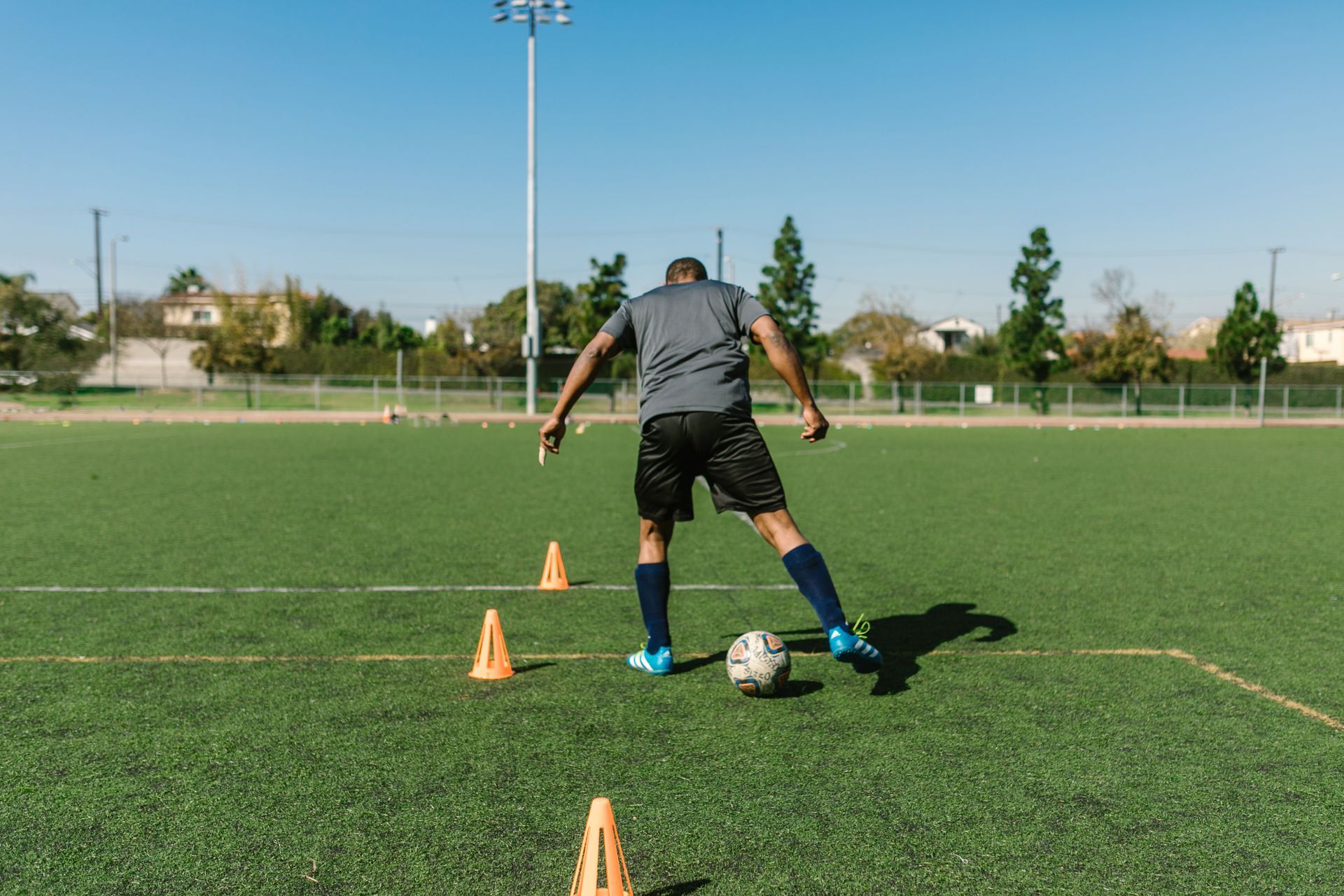
For cross country and track athletes, rehab can fit around team practices, with clear guidelines for warm-ups, strides, and workouts. For soccer and football players, rehab might keep you in non-contact drills, position work, and film study while your body heals so you stay connected with your team.
What Sport-Specific Rehab Looks Like at Rebound Physical Therapy
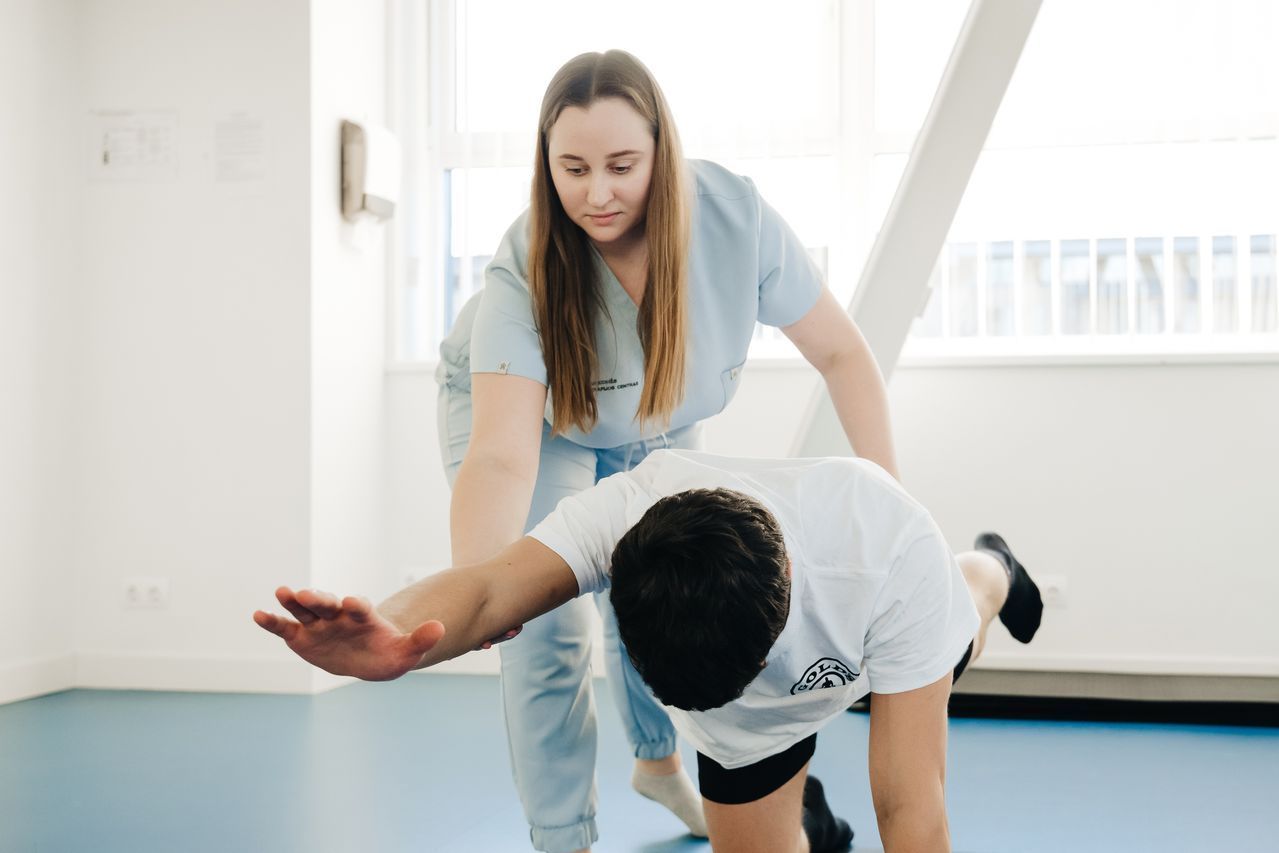
At Rebound Physical Therapy, we work 1:1 with active adults and athletes, which means your plan is built around your sport and your goals, not a generic checklist.
A sport-specific runner injury rehabilitation plan often starts with:
- A detailed movement and strength assessment
- Gait and running analysis to see how you load each leg
- Sport-specific testing for cutting, jumping, and acceleration for field and court athletes
From there, your plan may include:
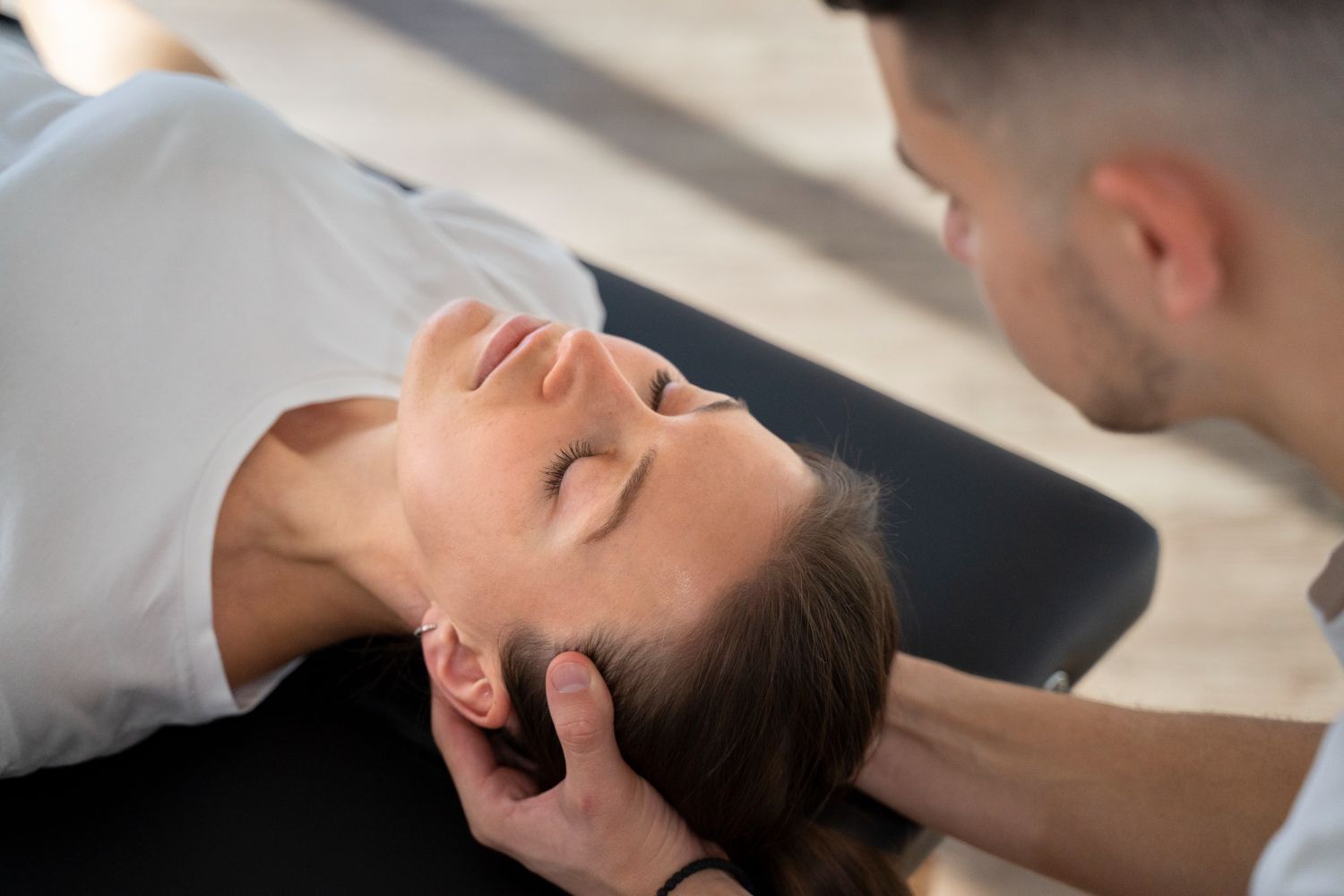
- Hands-on work to help calm irritated tissues and improve mobility
- Targeted exercises to progressively load tendons and muscles in a safe way
- Running form tweaks, such as cadence or foot strike adjustments
- Individual strength and power training built around your season schedule
Return to sport is not a guess. We use clear steps, like:
- Gradual return-to-run protocols with planned walk-run intervals
- Practice minutes or drill restrictions that expand as you improve
- Sprint, cutting, and deceleration drills before full practice
- Performance benchmarks before you go back to full races or games
The goal is not just to get you pain-free. The goal is to get you back to the pace, explosiveness, and confidence you need to compete.
Build a Smarter Comeback Plan Starting Today
The hardest part for many athletes is admitting that pain is not normal anymore. Waiting for it to get “bad enough” often means missing more time and losing more fitness than if you had listened to it earlier.
Strong, tough athletes are not the ones who ignore pain the longest. They are the ones who respect what their body is telling them, ask for help when they need it, and make smart choices so they can stay in the sport they love for years, not just one season.
Get Back To Strong, Confident Running
If pain or a recent setback is keeping you off the road, we can help you return to running with a clear, personalized plan. Explore our
runner injury rehabilitation approach to understand how Rebound Physical Therapy addresses the root cause of your symptoms, not just the soreness. We will guide you through targeted treatment, smart training progressions, and long-term strategies to reduce the risk of re-injury. Ready to talk about your specific goals and timeline?
Contact us to schedule an appointment.
Recent Blog Post