Return-to-Play After Concussion: Steps for US High School Athletes
Get Back in the Game Safely After a Concussion
A concussion can flip a season upside down in one play. Whether you play football, soccer, basketball, lacrosse, hockey, cheer, baseball, or softball, or wrestling, a concussion is a brain injury caused by a hit to the head or a hard blow to the body that makes your head snap. You cannot see it on an X-ray or MRI, but it changes how your brain works for a while.
Being pulled from practice or a big game is frustrating. There is pressure from coaches, teammates, and sometimes even recruiting timelines to get back as fast as possible. We get it. You want to prove you are tough and dependable. The good news is that a clear, stepwise post-concussion rehabilitation and return-to-play plan can actually help you get back faster, safer, and stronger, especially during busy late-fall and winter seasons when games stack up and school stress is high.
What Really Happens to Your Brain After a Concussion
A concussion is not just a bad headache. When your head gets hit, your brain moves inside your skull. This sudden movement changes how brain cells use energy and how blood flows in your brain. The structure often looks normal on scans, but the way it works is off for a while.
High school athletes often notice things like:
- Headaches or pressure in the head
- Dizziness or feeling off balance
- Blurred or double vision
- Brain fog and slow thinking
- Trouble focusing in class or on homework
- Irritability, sadness, or feeling more emotional
- Getting tired very easily
You might feel “mostly okay” sitting on the couch, but that does not mean your brain is ready for sprints, drills, or contact. If you return too early and take another hit, you risk second-impact syndrome, which can be very serious for teenagers. Pushing through symptoms can also lead to problems that drag on for weeks or months. This is why return-to-play needs to be controlled, not rushed.
The Stepwise Return-to-Play Clearance Roadmap
Most athletic trainers, team doctors, and sports physical therapists in the United States follow a similar step-by-step plan. Think of it like a ladder. You move up one rung at a time. If symptoms return, you go back down a rung, not all the way to the bottom.
A common roadmap looks like this:
1) Relative rest and symptom stabilization
For the first 24 to 48 hours, you should rest more than normal, but you do not have to sit in a dark room all day. Light, quiet activities that do not spike symptoms are usually okay.
2) Light aerobic activity without head impact
This might be easy stationary biking, walking, or light jogging. The goal is to gently raise your heart rate without any risk of contact or falls.
3) Sport-specific non-contact drills
Here you start moving more like your sport:
- Running routes or footwork patterns
- Shooting, passing, or stick skills
- Simple agility drills without contact
4) Non-contact practice with teammates
You join regular practice at full intensity, but still no hits, checks, tackles, or stunts with risk of falls to the head.
5) Full-contact practice after medical clearance
Once cleared by a medical provider, you return to controlled contact in practice. Coaches and staff watch closely for any return of symptoms.
6) Return to full competition
If you stay symptom-free through full practice, you are usually ready for games.
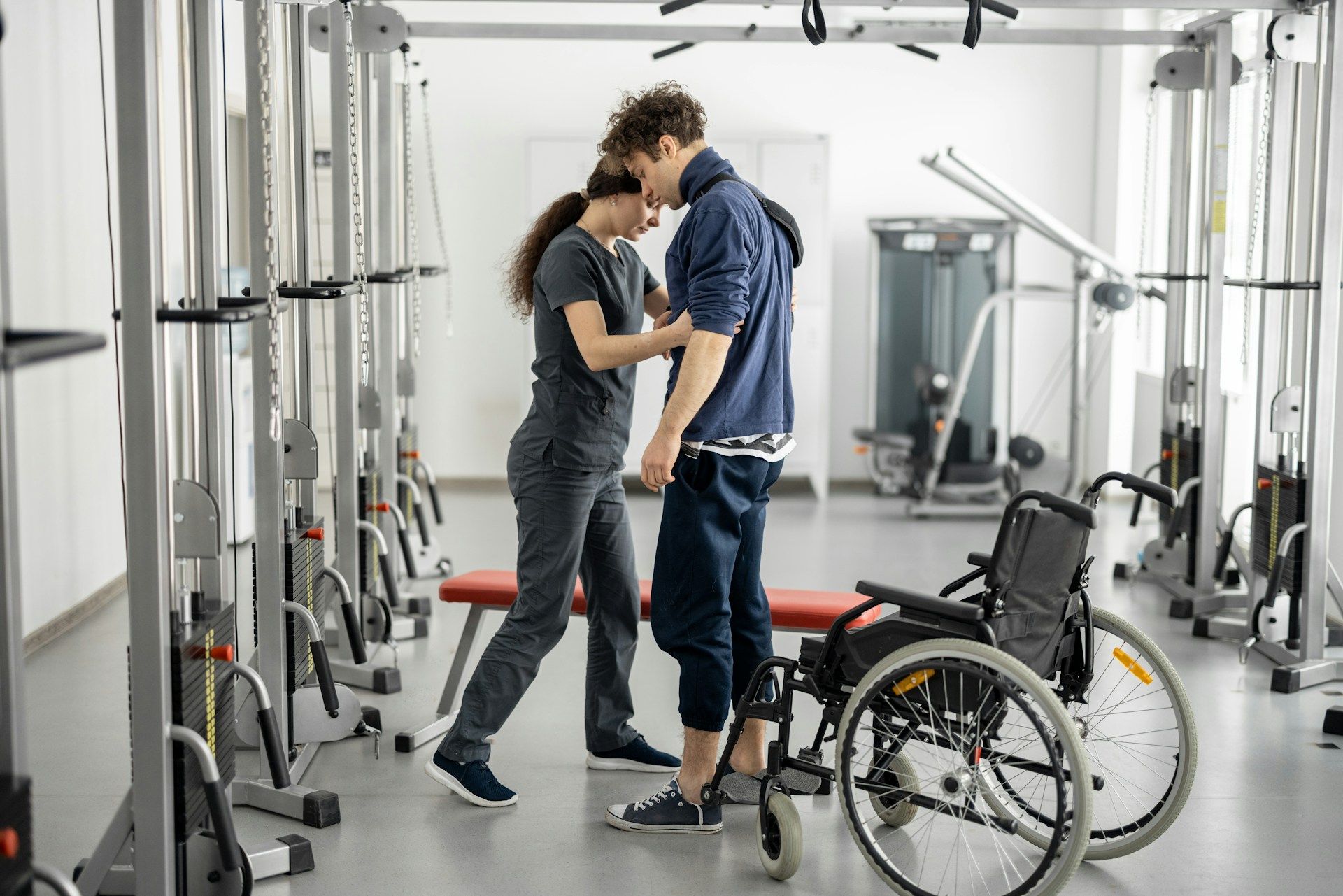
Each step usually lasts at least 24 hours. You should be symptom-free at a given level before moving up. If a headache, dizziness, or brain fog returns, you drop back to the last level that felt okay and build again. Post-concussion rehabilitation with a sports physical therapist helps guide this whole process, watch for red flags, coordinate with your athletic trainer, and document objective progress for medical clearance.
Balancing Schoolwork and Recovery After a Concussion
Your brain does not only work on the field. It also works hard in the classroom. Reading, screens, tests, and long homework sessions can flare symptoms just like sprints or scrimmages. This is especially hard during midterms or heavy exam weeks.
Common school accommodations that often help include:
- Reduced homework or shorter assignments
- Extra time on tests and quizzes
- Testing in a quiet room
- Limited screen time or printed notes instead of slides
- Short breaks during class to rest your eyes and brain
- A temporary lighter class schedule
A good “return-to-learn” plan should match your recovery, not the game schedule. When concussion-trained providers, the school nurse, guidance counselor, teachers, and your family work together, you get a plan that slowly increases your mental load as your symptoms improve. This keeps grades on track without slowing your healing.
Sport-Specific Progressions for High School Athletes
Return-to-play does not look the same for every sport. The drills, risks, and contact patterns are different, so your progression should match what you actually do on the field, court, ice, or mat.
Here are some general ideas:
• Football, hockey, lacrosse, wrestling
Start with form-only drills and footwork, then pad-on-pad or partner drills with no head contact, then controlled contact before live scrimmage or full go.
• Soccer, basketball, field hockey, volleyball
Gradually add cutting, sprinting, jumping, and change of direction. For soccer, heading comes back last and should be very controlled at first.
• Cheer, gymnastics, dance
Begin with basics on the floor, then light tumbling and simple stunts, then more complex stunts, spins, and landings with close spotting and strong focus on balance.
• Baseball and softball
Use a steady build of throwing, fielding, and base running, plus graded batting practice and reaction drills that challenge vision and timing.
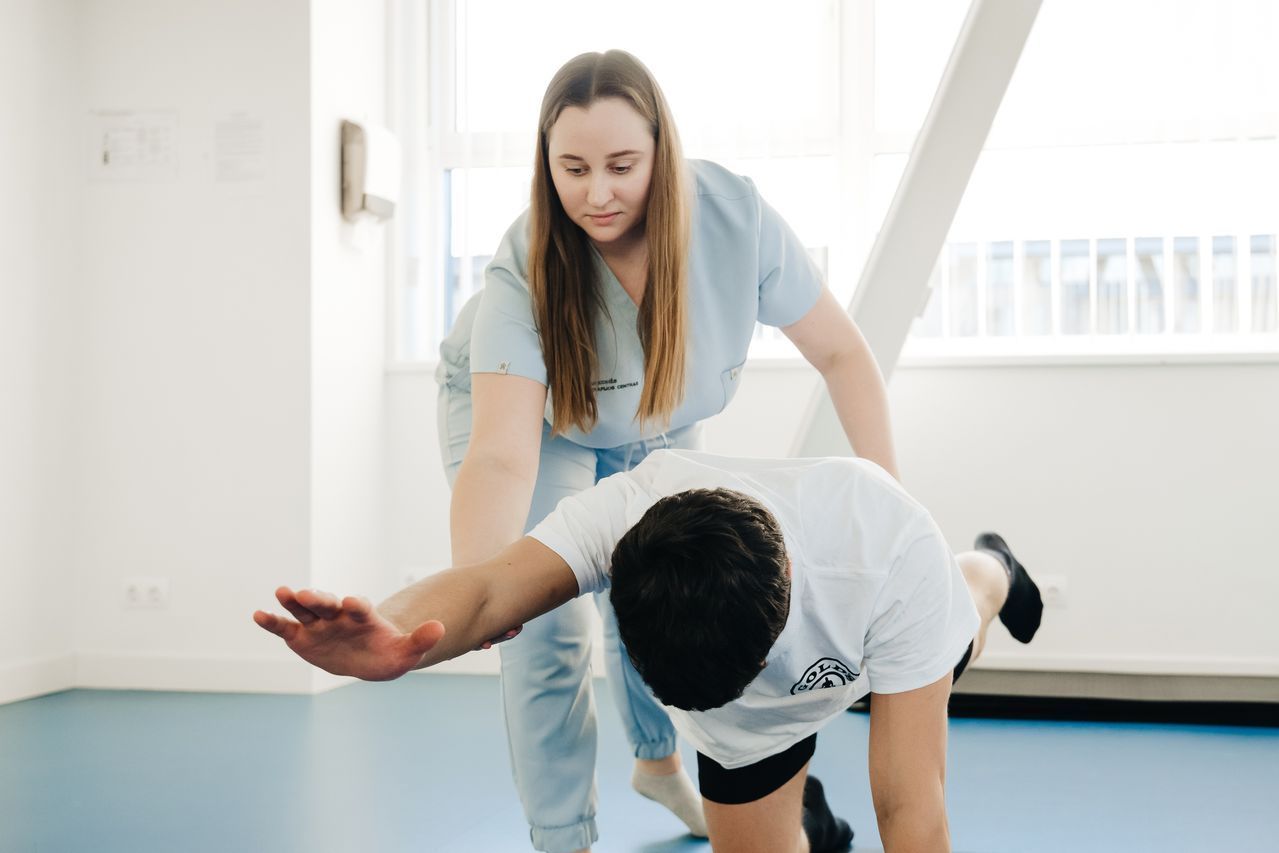
Throughout post-concussion rehabilitation, we care a lot about vision, balance, and reaction time. Reading the field, tracking a puck or ball, and reacting to hits or landings all rely on these systems. A 1:1 sports physical therapy plan can tailor drills to your position, like a quarterback vs a lineman, a point guard vs a post, or a goalie vs a field player, and to the typical impact risks you face.
How Sports Physical Therapy Speeds Safe Return-to-Play
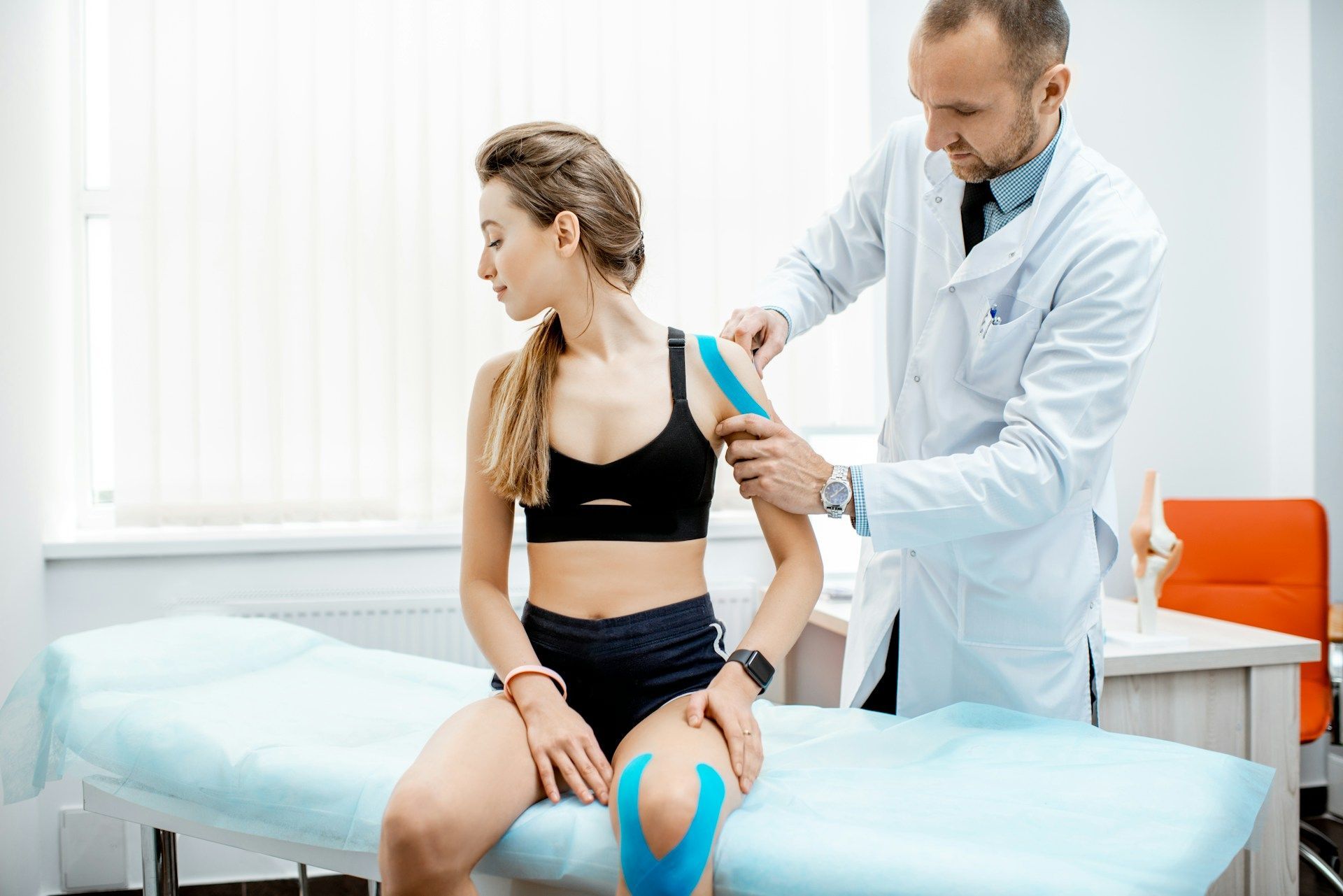
In a sports-focused setting like ours at Rebound Performance Physical Therapy in Central Connecticut, post-concussion rehabilitation is more than just “rest until you feel better.” We use targeted tools to help your brain, body, and sport skills recover together.
These may include:
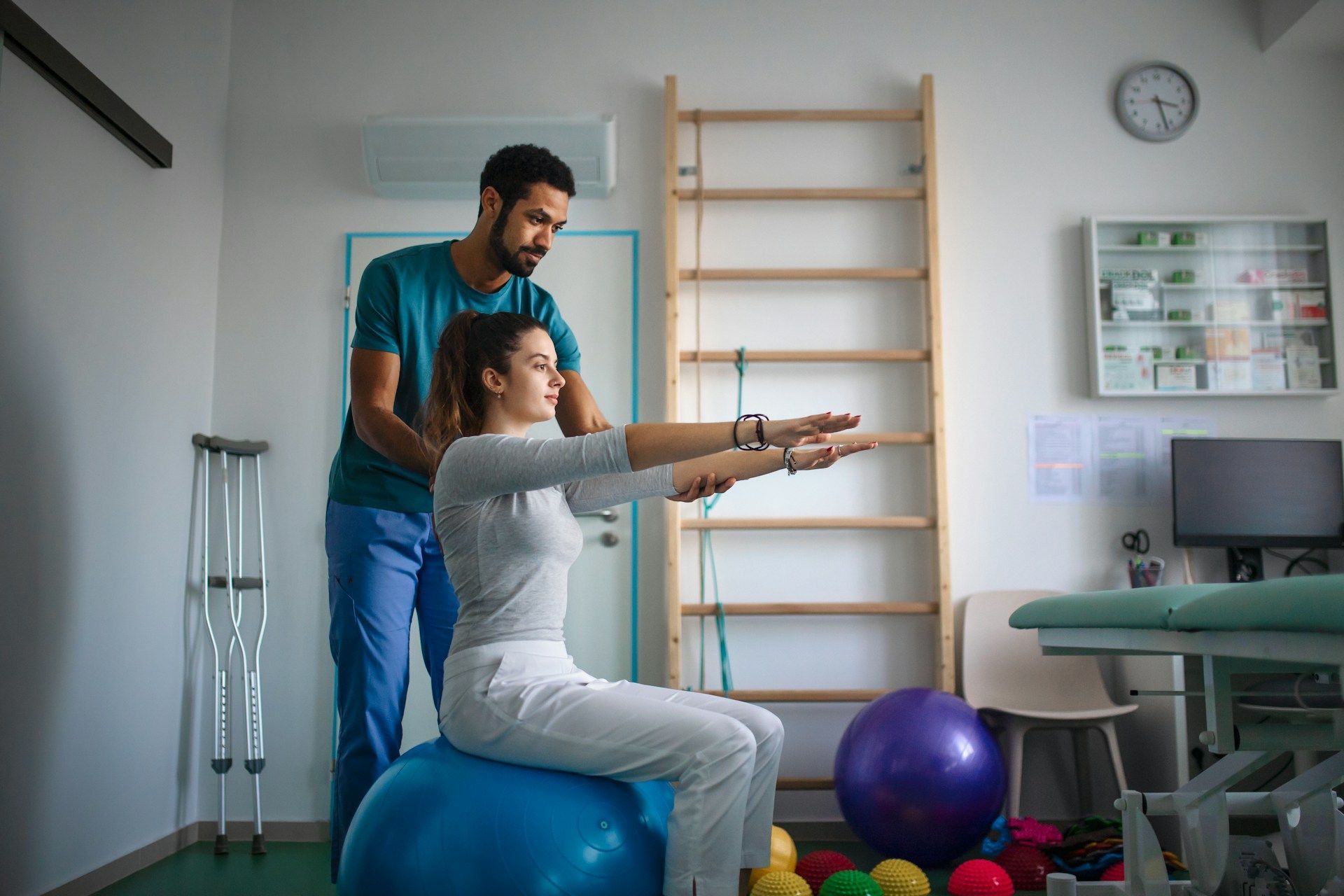
- Vestibular rehab for dizziness and motion sensitivity
- Oculomotor and visual exercises to help with tracking, reading, and ball sports
- Balance and proprioception drills to improve control on one leg and during cuts
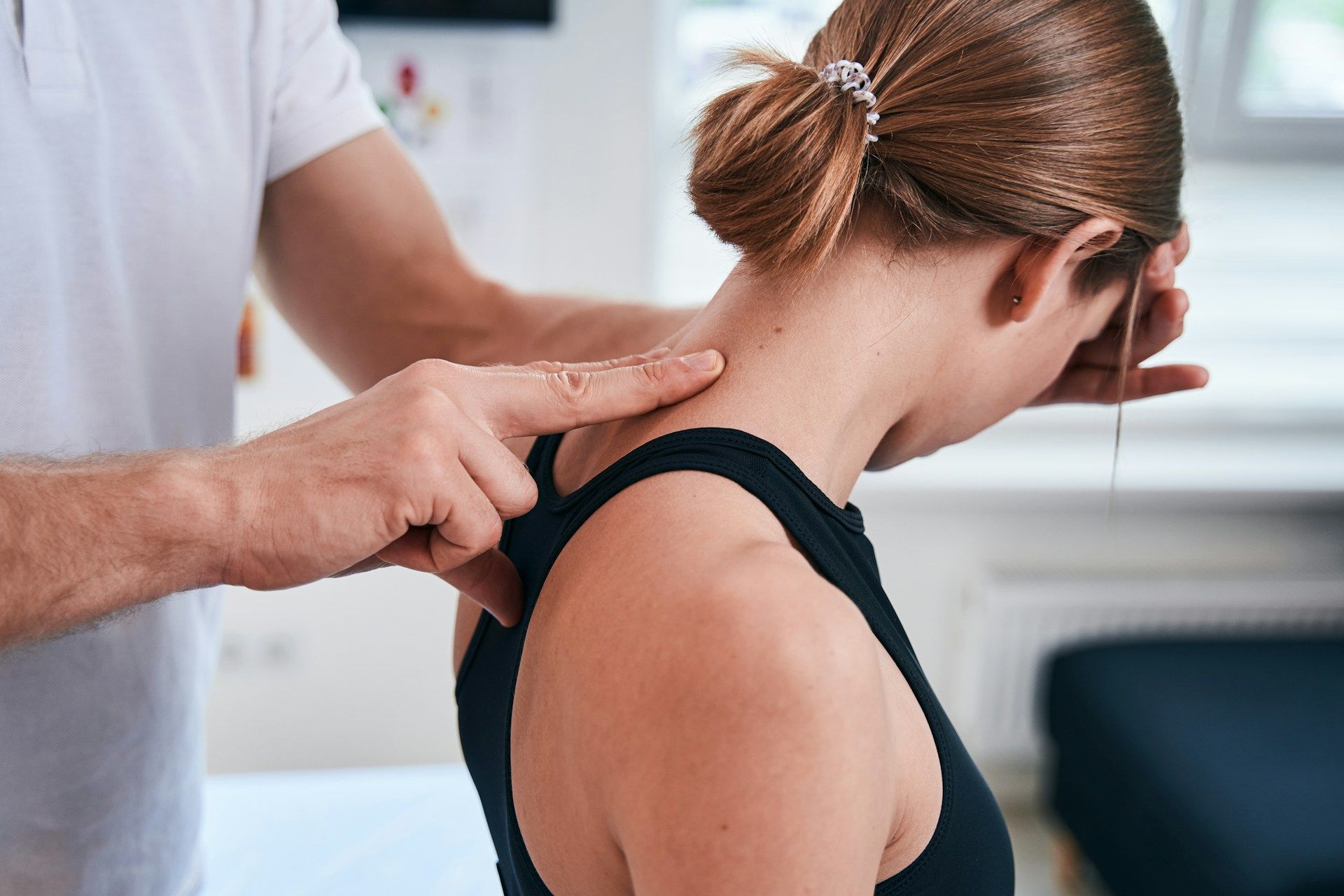
- Cervical (neck) treatment to address stiffness, pain, and headaches
- Graded cardio testing to see how your brain handles higher heart rates
We track progress with things like heart-rate thresholds, balance and movement tests, symptom scales, and sport-movement screens. This gives clearer answers for you, your parents, and your coaches about how ready you really are. Starting post-concussion rehabilitation early can shorten downtime, lower the risk of long-term problems, and keep your body conditioned so that, when you get medical clearance, you are ready to return with confidence, not hesitation.
Regain Confidence And Safety After Your Concussion
If you or your student athlete is still struggling with symptoms, our team at Rebound Physical Therapy is ready to guide you through targeted
post-concussion rehabilitation designed for a safe return to school and sports. We tailor each plan to your specific symptoms, sport demands, and recovery timeline so you are never rushed back before you are ready. To schedule an appointment or ask questions about your next steps, please
contact us today.
Recent Blog Post