Why Athlete Performance Physical Therapy Beats Generic Rehab
Get Back in the Game Faster and Stronger
If you are a serious U.S. athlete, being told to just rest, ice, and stretch a little can feel like a joke. You do not want to be able to simply walk around the grocery store. You want to sprint, cut, jump, throw, and compete at full speed without thinking about your injury every step.
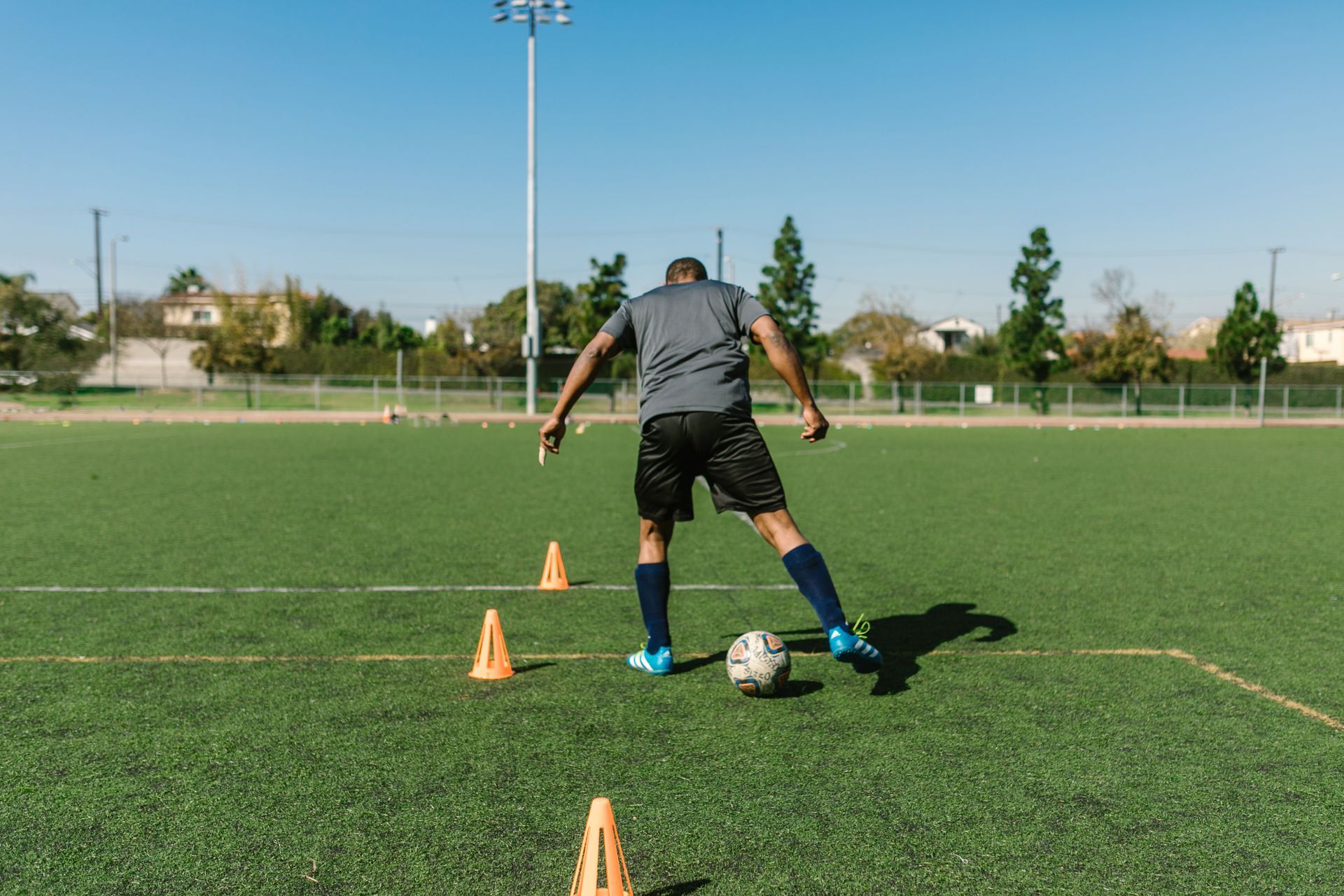
Generic rehab often gets you back to daily life, but it does not always prepare you for a hard cut on a slick U.S. soccer field, a strong drive to the rim, planting on your back leg to throw a fastball, or exploding off the line in football. There is a big gap between being fine on stairs and being ready for a playoff game.
That is where athlete performance physical therapy comes in. This style of care is built around the exact demands of your U.S. sport. It helps close the gap between basic function and true game-ready performance so you return with confidence instead of hesitation. At Rebound Physical Therapy, we use a three-step Recover, Rebuild, Rebound process to guide active adults and competitive athletes from injury back to the U.S.-based sport they love, while aiming to avoid surgery and pain meds when possible.
Why Generic Rehab Falls Short for Competitive Athletes
Standard rehab is usually designed for the general population. The main goal is to help people sit, stand, walk, and climb stairs with less pain. That is fine for everyday life, but it is not enough for an athlete who needs to push speed, rotation, and contact in competitive U.S. sports.
Many traditional programs stop once you can do a few basic tasks like walking without a limp, going up and down stairs, balancing on one leg on flat ground, and doing light strengthening with bands or machines. On paper, you are “cleared,” but on the field or court, it can feel very different.
Athletes often notice things that do not show up in a simple clinic checklist, such as feeling “off” or shaky when they sprint or cut, recurring small tweaks that never fully go away, slower sprint times and weaker first steps, a loss of vertical jump or pop off the ground, or hesitation with cutting, jumping, or overhead motions.
The problem is the gap between the clinic and real competition. Many programs never include key pieces that help bridge that gap, such as:
- True change-of-direction work at game speed
- Power training like hops, bounds, or explosive lifts
- Sport-specific positions such as defensive slides or blocking stances
- Conditioning that matches game intensity, like repeated sprints or long rallies
When that gap is ignored, athletes often feel fine during light drills, but once preseason ramps up, the injury area gets sore, tight, or painful again. The body may not be ready for the sudden load from two-a-days, weekend tournaments, or back-to-back games.
What Makes Athlete Performance Physical Therapy Different
Athlete performance physical therapy blends rehab and performance training into one clear plan. We care about your pain, but we also care about how fast you move, how clean you land, and how long you can perform before you fade.
Instead of stopping at pain relief, this approach focuses on the performance qualities that actually show up in your sport:
- Movement quality: how you run, cut, jump, and land
- Power: how quickly you can create force
- Speed: how fast you accelerate, decelerate, and change direction
- Endurance: how well you repeat those efforts over a full game
Sessions are 1:1 and built around you. We look at what your U.S. sport and position ask of your body, including examples like:
- Soccer and lacrosse: repeated sprints, cutting, single-leg control
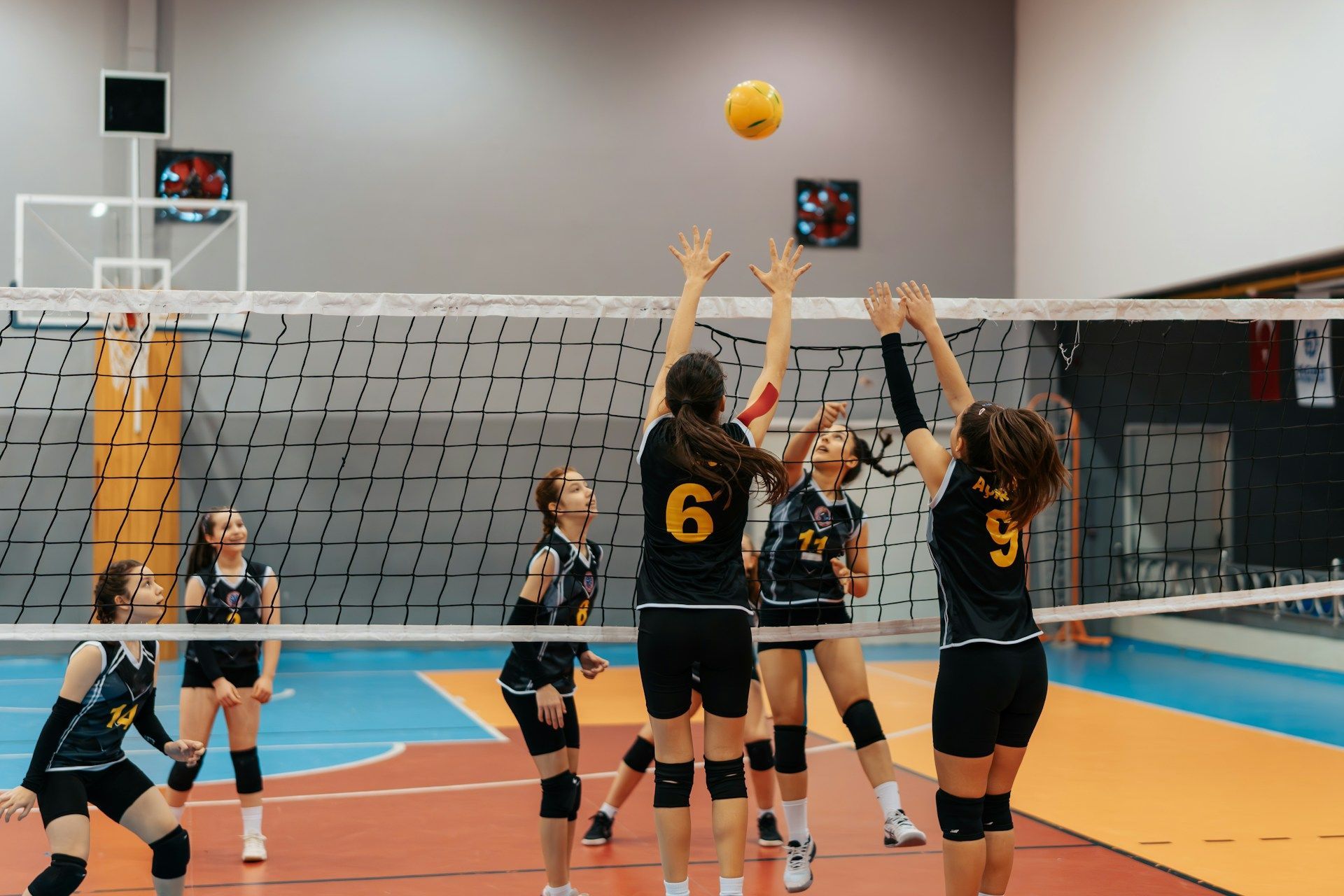
- Basketball and volleyball: vertical jumping, landing, lateral movement
- Baseball and softball: rotational power, throwing or pitching volume
- Football: acceleration, deceleration, contact prep
- Track and cross-country runners: cadence, stride control, hills, and surface changes
From there, we build a plan that progresses all the way back to those exact demands. To make sure progress is real (not guesswork), we use objective testing and clear progressions like:
- Strength comparisons from side to side
- Single-leg balance and control under load
- Hop tests in different directions
- Agility and change-of-direction drills
- Workload tracking so you do not spike volume too fast
This focus is especially helpful as athletes head into intense training stretches. You do not just want to be healthy. You want to be conditioned and ready to perform when tryouts, preseason, and playoff pushes hit in your U.S. sports season.
Inside the Recover, Rebuild, Rebound Game Plan
Our process is built to match how athletes in U.S. sports actually return to competition: step by step, but always moving forward.
Recover is the first step. The goals are to:
- Decrease pain and swelling
- Restore basic motion in the joint or area
- Protect the injured tissue without shutting you down more than needed
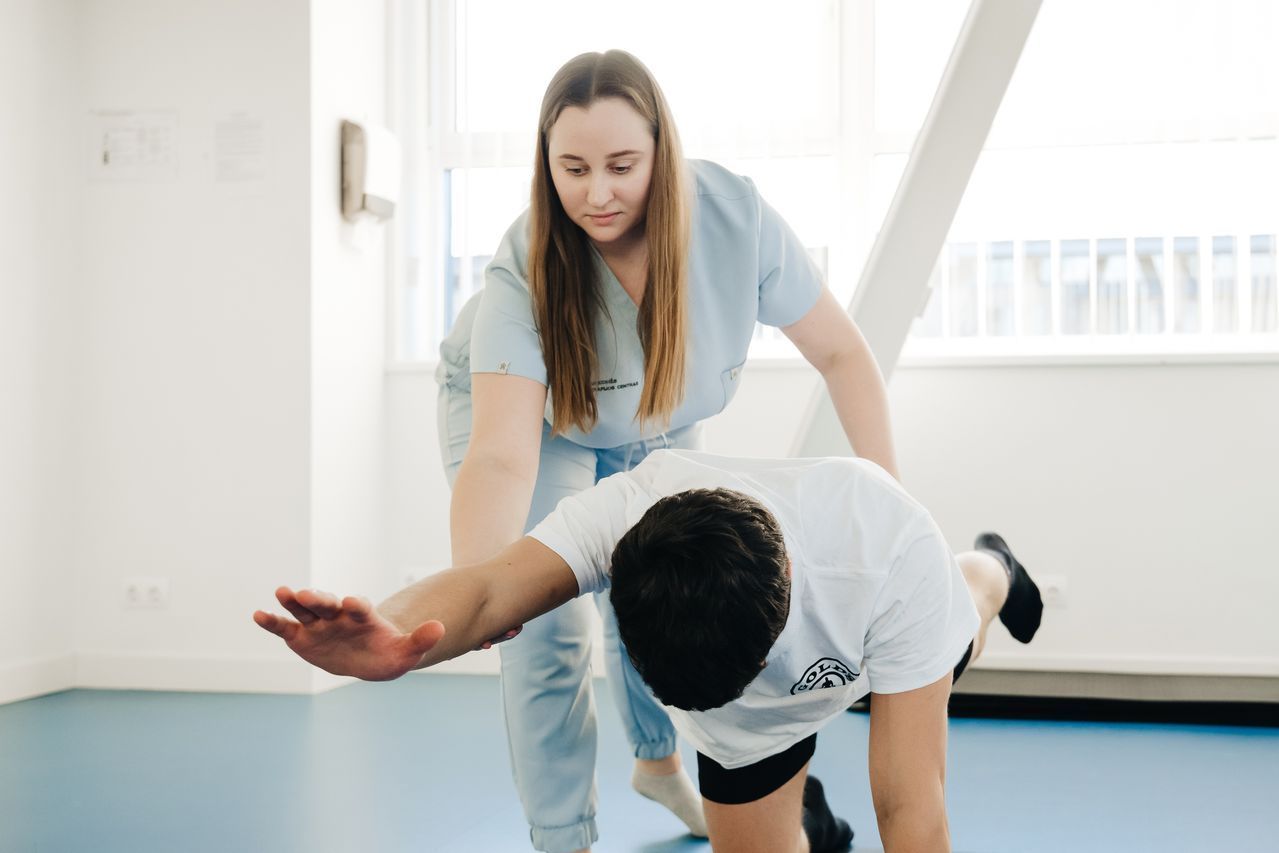
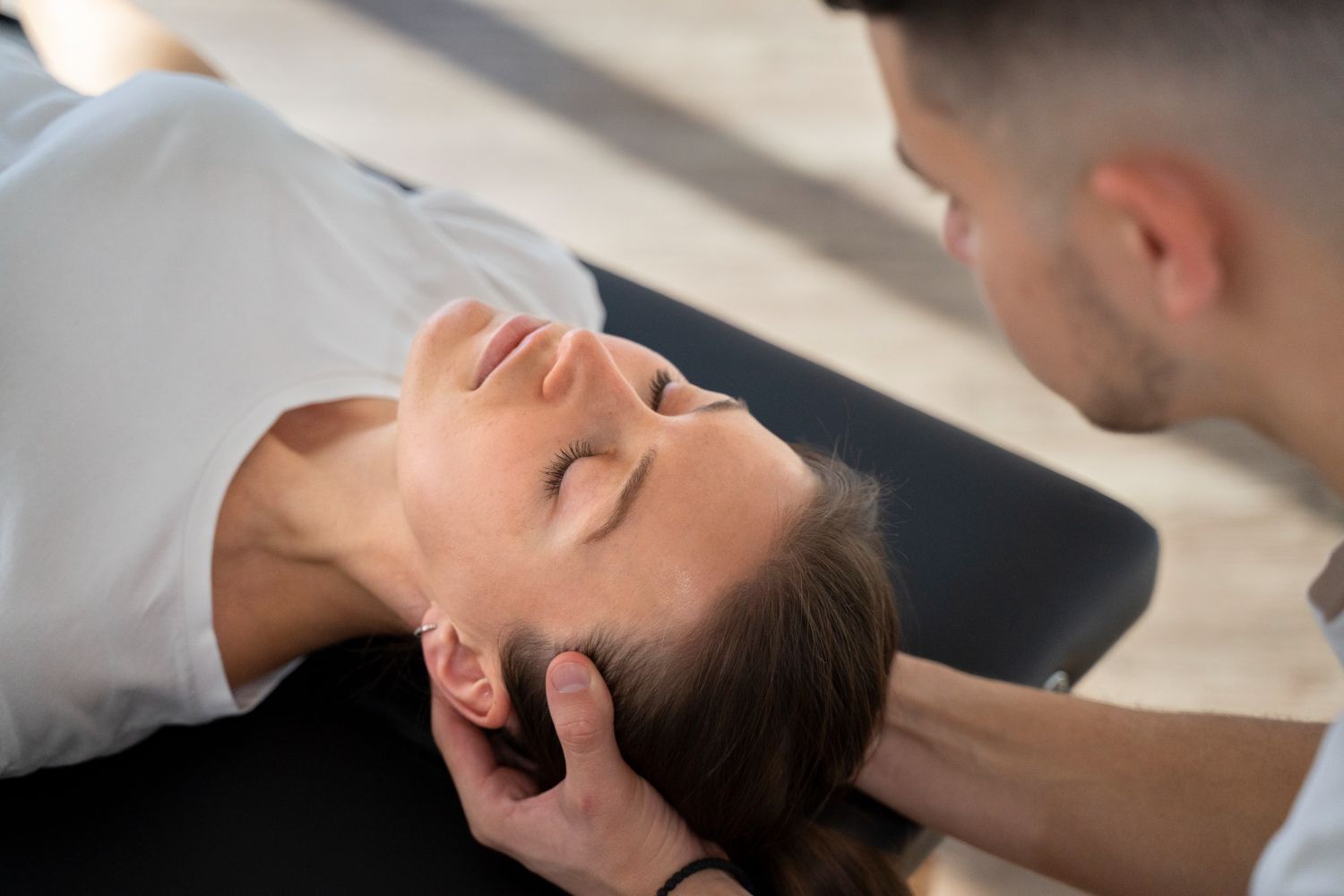
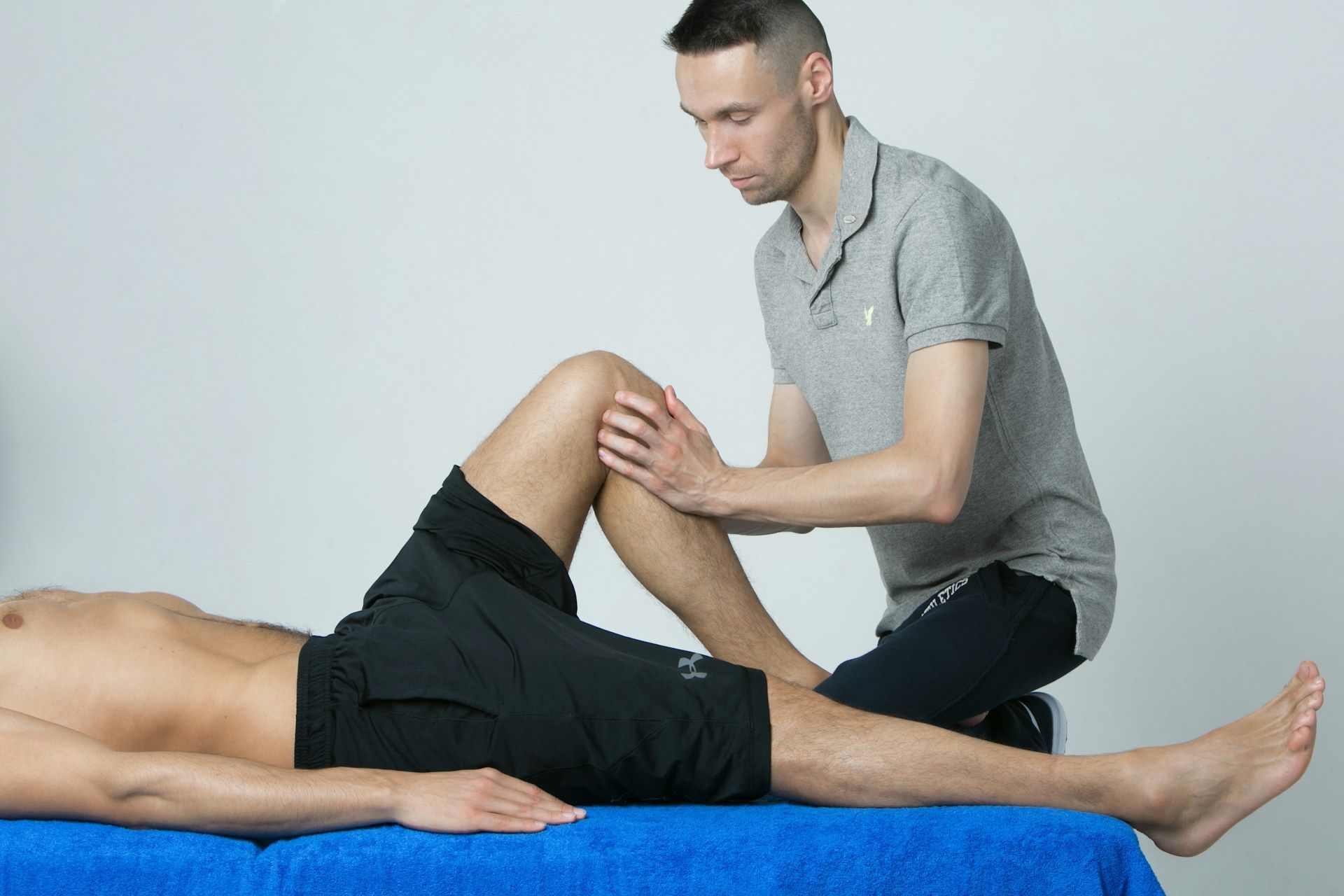
We may use hands-on techniques, targeted mobility work, and smart activity changes. The idea is to calm things down while still keeping you as active as possible in safe ways, so you do not lose all your strength and conditioning.
Rebuild comes next. In this phase, we go after the weak links and movement issues that led to or followed the injury. Depending on your sport and position, this can include:
- Single-leg strength work for runners, soccer, and lacrosse athletes
- Deceleration control for basketball players and football skill positions
- Rotational core strength and hip power for baseball and softball players
- Shoulder and scapular control for pitchers and quarterbacks
We do not just add random exercises. Each drill has a clear purpose for your sport. We look at how you land from a jump, how your knee lines up when you cut, how your trunk rotates when you throw, and we train those patterns.
Rebound is the final step, where rehab starts to feel like practice. We move from clinic-style drills to full-speed, sport-like work, including:
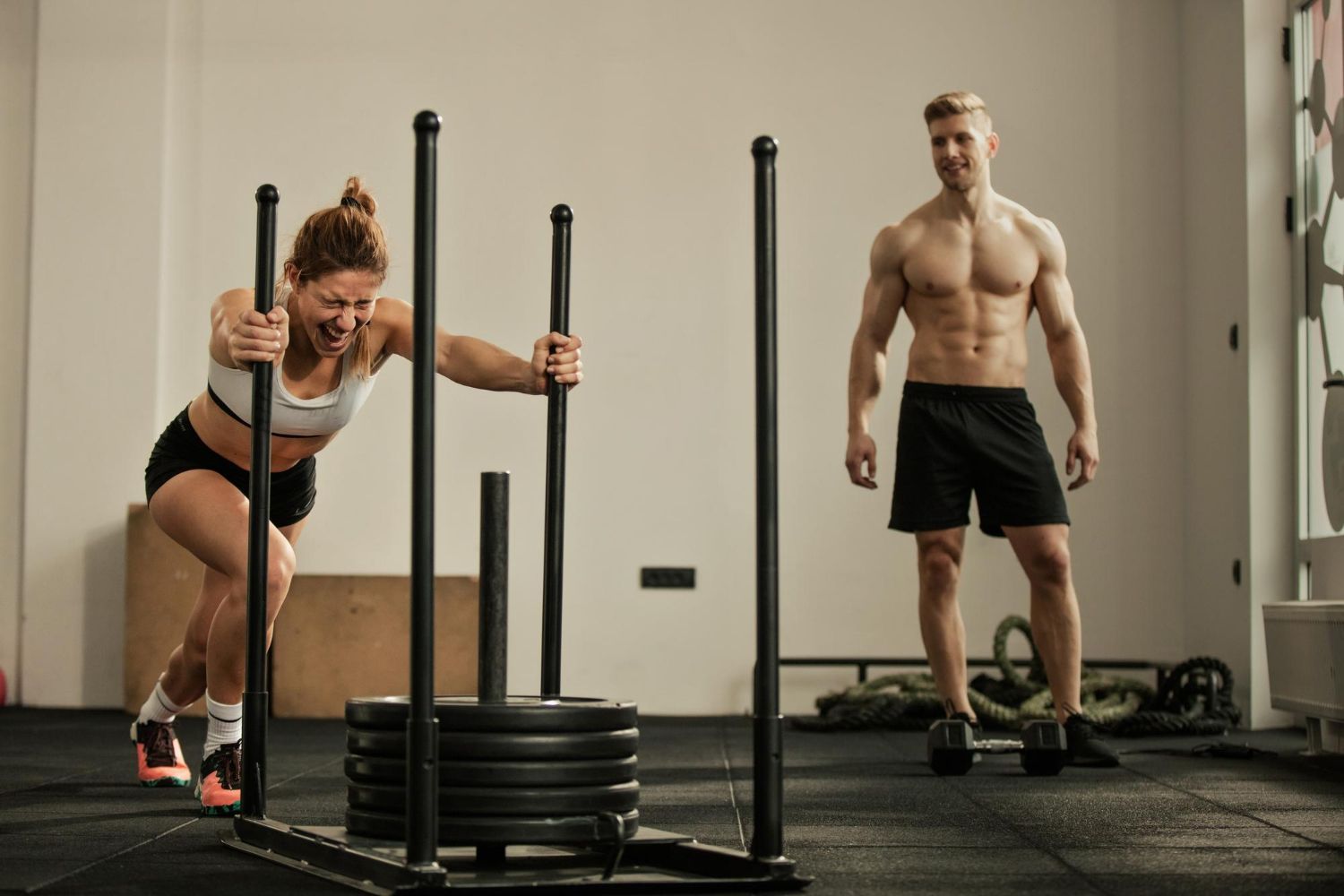
- Sprint work and acceleration drills
- Cutting and change-of-direction progressions
- Jump, land, and re-jump sequences
- Conditioning that matches your sport, like repeated sprints for soccer or longer intervals for distance runners
This three-step process can help at any point in the year. Off-season is great for building a stronger base, pre-season is when we ramp up toward full intensity, and in-season we can help you manage load so you stay available and sharp week after week in your U.S. sport.
How Sport-Specific PT Protects Your Career and Season
Athlete performance physical therapy does more than get you through one injury. It helps protect your body over many seasons. Instead of chasing pain from week to week, we look for the root causes, such as:
- Poor mechanics when you run, jump, land, or throw
- Side-to-side strength and mobility imbalances
- Old compensations from past injuries
- Weak links in the chain, like hips and core for knee pain, or shoulder blade control for shoulder issues
By cleaning up these problems now, you support joint health, keep more of your speed and power, and build smarter habits for training and recovery. That matters whether you are trying to make a high school roster, play in college, or stay sharp in adult leagues across U.S. sports.
The benefits are different for each sport and position. For example:
- Point guards and wings can improve deceleration, cuts, and body control on drives
- Wide receivers and defensive backs can sharpen acceleration and landing mechanics from contested catches
- Pitchers can restore velocity and command while protecting the shoulder and elbow
- Distance runners can build better cadence, single-leg stability, and tolerance for volume
Late summer is when many athletes feel the pressure to be ready for fall sports like football, soccer, cross-country, and field hockey within the U.S. sports calendar. It is also a smart time for basketball, hockey, and spring sport athletes to clean up lingering issues before training ramps up again. With a plan built for your U.S. sport, you do not have to guess if your body is ready. You can test it, train it, and return ready to compete.
Boost Your Athletic Performance With Targeted Care Today
If you are ready to train smarter, recover faster, and compete with confidence, our team at Rebound Physical Therapy is here to help. Learn how our specialized
athlete performance physical therapy can support your goals throughout the season and off-season. To schedule a session or ask questions about your specific sport or position, simply
contact us and we will follow up with next steps.
Recent Blog Post