When Basketball Injury Rehabilitation Should Go Sport-Specific

Jon Maneen • May 16, 2026

Turn Rehab Into Your Competitive Edge This Offseason


Missing AAU tournaments, summer league, or those weekly pickup runs because of an ankle sprain or knee pain is flat-out frustrating. You work hard all year, then an awkward landing or bad step pulls you off the court. It can feel like you are losing ground while everyone else is getting better.


The real goal of basketball injury rehabilitation is not just to feel okay walking around school or work. The goal is to return to your position and style of play with more confidence, power, and durability than before you got hurt. That means your rehab should eventually look and feel a lot like basketball.


So when should you move from basic rehab to on-court, sport-specific work? The timing of that switch can make the difference between a strong return and another setback. Our aim here is to help athletes, parents, and coaches in Central Connecticut understand the right steps so rehab becomes a launchpad for the next season, not a pause button.


From Injury to Baseline: Laying the Foundation Right


Right after a basketball injury, the first phase is not exciting, but it is important. Whether it is an ankle sprain, ACL reconstruction, patellar tendinopathy, hip pain, or low back pain, we start with the basics:


  • Calming pain 
  • Controlling swelling 
  • Restoring simple joint motion 
  • Getting you back to normal daily movement 


In this stage, we are focused on things like gentle range of motion, early strength work, and safe weight-bearing. Before sport-specific basketball injury rehabilitation even starts, a few things need to be in place:


  • You can move the injured joint through a safe range without sharp pain 
  • You can put weight on the leg and walk without a big limp 
  • You have basic strength in the hips, core, and legs 
  • Swelling is improving, not increasing after daily activity 


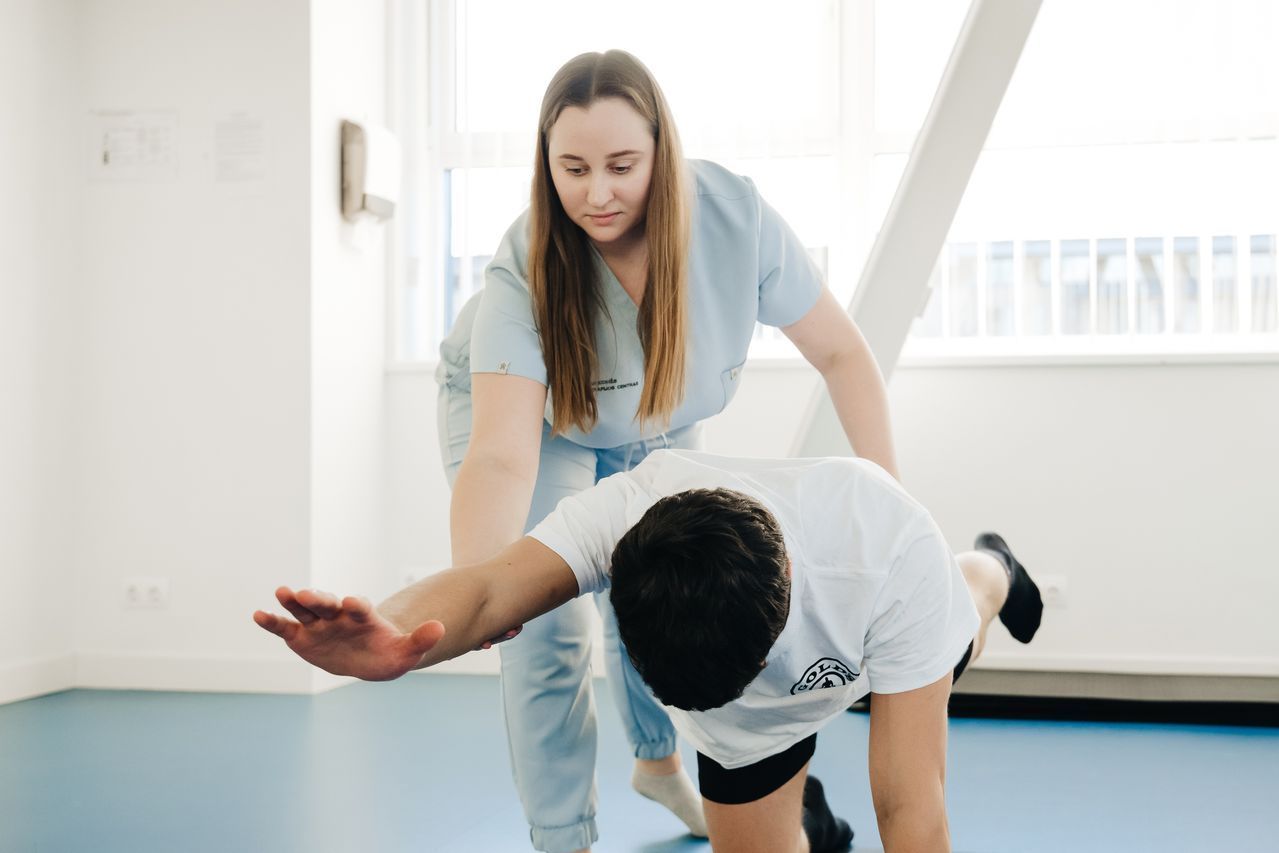
Quality one-on-one care also looks deeper at how you move. We check for things that may have set you up for the injury, like poor landing mechanics, hip weakness, or lack of trunk control when you cut or jump. Fixing these early helps protect you later when you go back to the court.


Skipping this “boring” foundation and running to shooting and scrimmaging often backfires. Healing can slow down, pain can spike, and the same movement faults stay there, waiting to cause another injury. The more solid your base is, the more your body can handle when practice intensity goes up.


The Moment Rehab Should Start Looking Like Basketball


At some point, regular rehab exercises are not enough. You need to move, cut, and land in ways that feel like real basketball. That shift should happen when certain boxes are checked.


You know you are close to sport-specific work when:


  • Pain is low and predictable 
  • Swelling stays about the same day-to-day 
  • You can do bodyweight squats and step-downs with good control 
  • You can jog in a straight line without pain or a limp 
  • You can handle low-level agility, like gentle side steps or mini shuffles 


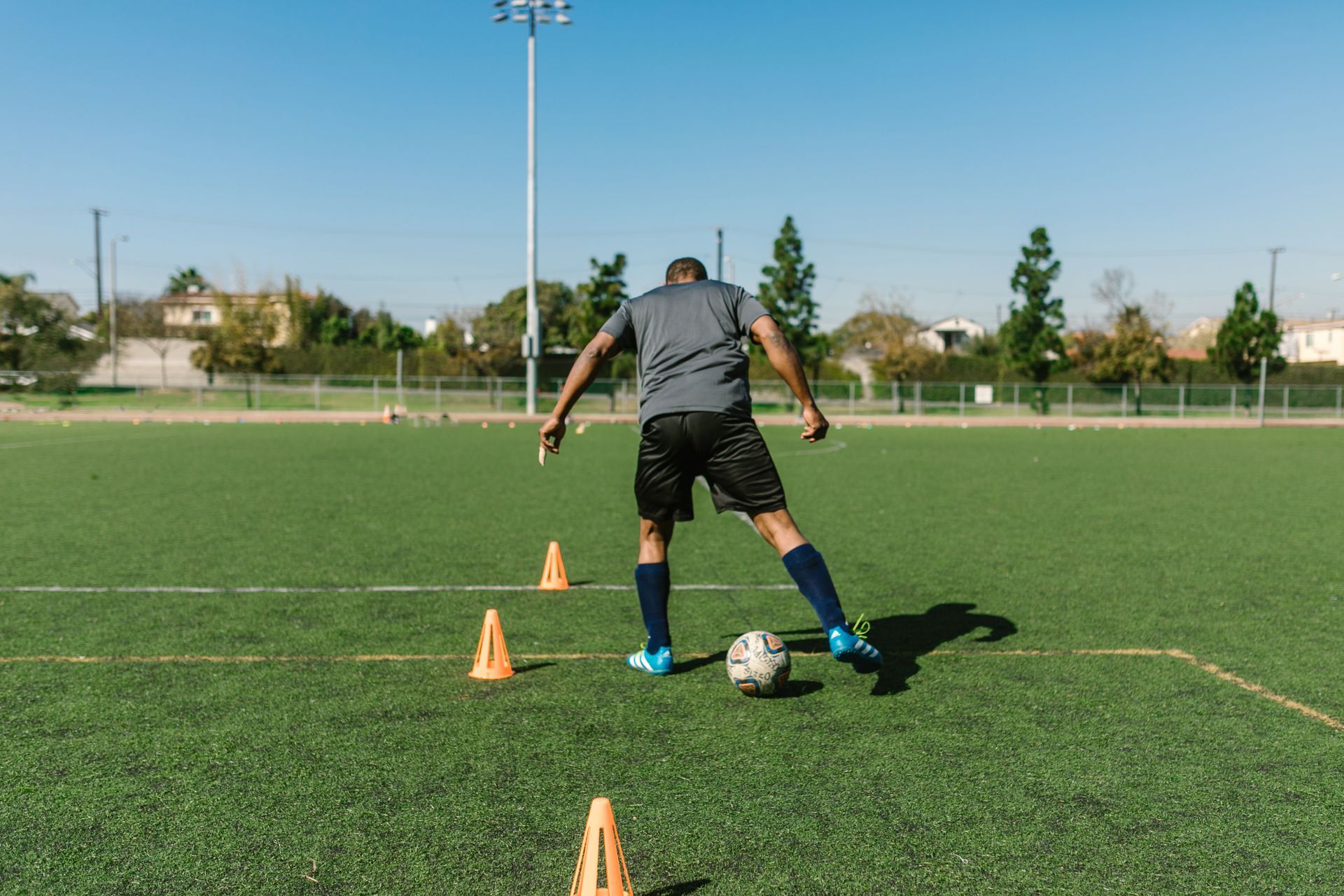
Once you reach this point, rehab should start to look more like practice. Your PT can begin layering in basketball-style movement patterns:


  • Lateral shuffles and defensive slides 
  • Closeout footwork with good body control 
  • Controlled change-of-direction drills 
  • Single-leg landing and stick drills after small jumps 


This is a key turning point. Sessions start to feel less like “therapy” and more like a workout or skills session. For high school, college, and competitive adult players, that shift keeps you mentally engaged and ready to push, while still staying safe and smart.


Position-Specific Drills That Speed Your Return


Not every basketball player needs the same type of on-court rehab. A point guard, a wing, and a big all put different stress on their bodies. Your level of play matters too. A rec-league adult has different demands than an NCAA athlete or a serious AAU player.


Here are some examples of targeted progressions:


Guards 


  • Attacking off the dribble after sharp cuts 
  • Decelerating into pull-up jumpers 
  • Change-of-pace drives that load the knees and hips 
  • Absorbing contact in the lane and landing with control 


Wings 

  • Catch-and-shoot coming off simple down screens 
  • Transition sprints with controlled stops 
  • Rebounding landings with two feet and one foot 
  • Closing out under control to contest shots without crashing into shooters 


Bigs 

  • Rebounding and boxing out with strong, stable landings 
  • Post moves against contact, both facing up and back to the basket 
  • Setting, holding, and slipping screens 
  • Second-jump work to go back up quickly after a rebound or tip 


Intensity, volume, and complexity should build based on how your body responds, not just how long it has been since the injury. That means we might keep a drill at low intensity longer if your knee is still sore, or we might ramp things up faster if you are tolerating everything well. Sport-specific rehab should mirror real game actions and decisions, not just random cone drills, so you are truly ready for live games again.


Testing Game-Readiness Before You Return to Play


Before jumping back into full practices or games, it helps to test where you stand. Objective testing can show if you are really ready or if there are still gaps.


Common tests include:


  • Single-leg hop tests to compare distance and control between legs 
  • Change-of-direction tests that look at speed and body control 
  • Strength checks to compare both sides 
  • Simple conditioning benchmarks that feel like short game segments 


Beyond numbers, we want to see how you handle game-style situations. Your PT might set up short, intense blocks that feel like real play, such as repeated jumps, several defensive possessions in a row, or quick offensive bursts under light fatigue.


There is also the mental side. Trusting your body again when you cut, land, or contest a shot takes time. We can slowly reintroduce higher-risk moves, like hard lateral cuts or contested landings, in a controlled way so your confidence grows alongside your physical ability.


A typical return follows a stepwise return-to-play plan: non-contact skill work, then limited practice minutes, then controlled scrimmages, and finally full games. That plan can line up with AAU events, school open gyms, or adult league schedules so you are not thrown from zero to full-speed tournaments in one jump.


Turn Your Rehab Into a Stronger Season Ahead


If you love basketball, “just rest” or generic rehab that never reaches the court is not enough. When you want to compete in summer leagues, AAU circuits, or rec leagues, you need a clear progression from early healing to true basketball injury rehabilitation that fits you and your role on the floor.


Rehab should grow from basic pain control and strength, to basketball-style movement, to position-based drills, and finally to real game-readiness testing. At Rebound Physical Therapy in Central Connecticut, we focus on one-on-one, performance-based care to guide athletes along that full path so they can return to the sport they love with more confidence and control than before.


Get Back In The Game With Expert Rehab Support


If a basketball injury is keeping you on the sidelines, we are here to help you return safely and confidently. Our
basketball injury rehabilitation programs are tailored to your body, position, and goals so you can play at your highest level. At Rebound Physical Therapy, we focus on rebuilding strength, mobility, and sport-specific skills that translate directly to game-day performance. Ready to take the next step toward a healthy return to the court? Contact us to schedule your session today.


Recent Blog Post

injured runner
By Jon Maneen May 23, 2026
Learn the warning signs your runner injury rehabilitation is stalling, plus practical steps to reset your plan and get back to running stronger.
By Jon Maneen May 15, 2026
Learn the best recovery strategies after Murph, including sleep, hydration, soreness management, and when CrossFit athletes should see a PT.
crossfit
By Jon Maneen May 9, 2026
Learn how physical therapy for CrossFit supports recovery, mobility, and strength so you can return to training safely and perform at your best.
By Becky Cyr April 15, 2026
As the weather warms up and fields start to fill again, spring sports season is an exciting time for athletes of all ages. Whether you’re returning to running, baseball, lacrosse, tennis, or weekend pickup games, it’s important to remember: your body may not be as ready as your mindset. Every year, I see a surge in injuries this time of year. Not because people are doing something wrong, but because they’re doing too much, too soon. Every year we hear how athletes did nothing to train or prepare for the upcoming season, go 110% in pre-season to impress the coach, then injuries set in those first few weeks of practice. These pre-season injuries can be decreased significantly with a better approach, which we'll dive into next. 1. Respect the “Ramp-Up” Period Your body adapts to stress over time. If you’ve been less active during the winter months, jumping straight into high-intensity practices or games can overload muscles, tendons, and joints. IDEALLY, you should be training and ramping up for pre-season. If you decided to coast through the offseason, you'll be in for a rude awakening come pre-season. As general guidance to all sport, we recommend: Gradually increase activity over 4–6 weeks Follow the “10% rule” (don’t increase volume or intensity by more than 10% per week) Alternate hard and easy days to allow recovery. Going hard everyday is a recipe for disaster. 2. Prioritize a Proper Warm-Up Cold muscles are more prone to strains and tears. Lacing up your shoes, a couple stretches and a quick jog aren't enough. Try this instead: 5 minutes of light cardio to increase heart rate in blood flow to tissues (jogging, biking) Dynamic movements to hit bigger ranges of motion (air squat, lunge matrix, mach drills, plyometrics) Sport-specific drills (cutting, sprinting, throwing) Think of your warm-up as preparing your nervous system to move, not just your muscles. 3. Build Strength Where It Matters Spring sports often involve sprinting, cutting, jumping, and rapid changes in direction. Weakness in key areas, like the hips, core, and shoulders can increase injury risk. During the off-season (AND MAINTAINING THROUGH IN-SEASON) focus on: Building strength through hip and leg musculature (squatting and deadlifting variations) Building tendon resilience (holding and pushing isometrics) Addressing assymetries (staggers, split and single leg exercise) Strength training 2–3 times per week can significantly reduce injury risk and improve performance. 4. Don’t Ignore Mobility Limited mobility can alter your strategy on the task given, placing extra stress on joints and soft tissues. Each sport as their own "common" areas of injury, but as a general recommendation we prioritize demonstrating appropriate: Hip extension/flexion Ankle mobility Thoracic and hip rotation Incorporating mobility work into your warm-up, even 5–10 minutes a day, can make a big difference in your longevity and the performance in a training session. 5. Listen to Early Warning Signs Pain is not normal. It's not something you “push through,” especially early in the season. It's also NOT the same thing as soreness. Many injuries start as mild discomfort that gets ignored and worst case scenario turns into a chronic or recurring issue for athletes. Some red flags to be on the look for would be: Persistent soreness that doesn’t improve with rest (greater than 4 days) Sharp or localized pain Swelling or stiffness Changes in performance or movement patterns Addressing these symptoms early can prevent weeks (or months) on the sidelines. 6. Recovery Is Part of Training Recovery isn’t optional. It’s essential and should be a part of every athletes training. The MOST IMPORTANT part of recovery is: Getting adequate sleep (7–9 hours) Staying hydrated Fueling your body properly Taking at least 1–2 rest days per week No magic pill or device is going to trump these recovery tools. These are FREE tools that are apart of your everyday life. Most athletes overlook these things and think turning to supplements or tools will allow them to recover quicker. Your body gets stronger during recovery, not just during training. 7. When to See a PT If you’re dealing with nagging pain, recurring injuries, or uncertainty about how to safely return to sport, a physical therapist can help guide you. We assess movement patterns, identify weaknesses or imbalances, and create individualized plans to keep you active and performing at your best. At Rebound, we especially prioritize our athletes being ready to compete at the highest level. We take the guesswork out of what you should be doing and create an actionable game plan together. Spring sports should be fun, energizing, and rewarding. Not cut short by preventable injuries. Taking a proactive approach now can set the tone for a healthy, successful season. Key takeaways: Build into your season, move well (and often), and don’t ignore what your body is telling you.
By Dennis Brady April 15, 2026
If you’re serious about improving your golf game, you’ve probably watched your swing on video, had a lesson with a teaching pro, or even upgraded your equipment. But have you ever assessed how your body moves? Before you can fix a swing flaw, you need to know whether your body can physically do what your swing coach is asking for. That’s where a golf mobility and performance screen comes in. What Is a Golf Mobility & Performance Screen? A golf screen is a series of simple, targeted movement tests that evaluate how well your body moves in ways that directly affect your golf swing. It’s a functional assessment designed to find the physical strengths and limitations that either help or hurt your swing. As a Titleist Performance Institute (TPI) certified clinician, I use this screening process to identify: Mobility restrictions that limit rotation or posture Stability issues that affect sequencing and control Asymmetries that lead to inconsistency or pain Movement patterns that may cause swing faults The TPI Philosophy: There’s No One Perfect Swing At the Titleist Performance Institute (TPI), the philosophy is simple: “There’s no one way to swing a golf club, but there is one efficient way for every player to swing — based on what they can physically do.” Your swing should match your body, not the other way around. Trying to copy a tour player’s swing without the same mobility or strength often leads to compensation, inconsistency and potentially injury. What Does the Screen Include A comprehensive golf mobility and performance screen typically includes: Testing hip, thoracic spine, and shoulder mobility Stability and postural control Core and lower body function Coordination and sequencing of your movement Why Every Golfer Should Be Screened A TPI screen can reveal why certain swing positions feel difficult or inconsistent, reduce your risk of overuse injuries, guide smarter individualized training and improve consistency and power. Every great performance program starts with an assessment . Without a proper understanding of your baseline, how do we decide where you need to start? A golf mobility and performance screen bridges the gap between how your body moves and your swing. Once you understand your movement limitations, every drill, stretch, and strength session becomes more purposeful and your results on the course will follow.
Show More
injured runner
By Jon Maneen May 23, 2026
Learn the warning signs your runner injury rehabilitation is stalling, plus practical steps to reset your plan and get back to running stronger.
By Jon Maneen May 15, 2026
Learn the best recovery strategies after Murph, including sleep, hydration, soreness management, and when CrossFit athletes should see a PT.
crossfit
By Jon Maneen May 9, 2026
Learn how physical therapy for CrossFit supports recovery, mobility, and strength so you can return to training safely and perform at your best.
By Becky Cyr April 15, 2026
As the weather warms up and fields start to fill again, spring sports season is an exciting time for athletes of all ages. Whether you’re returning to running, baseball, lacrosse, tennis, or weekend pickup games, it’s important to remember: your body may not be as ready as your mindset. Every year, I see a surge in injuries this time of year. Not because people are doing something wrong, but because they’re doing too much, too soon. Every year we hear how athletes did nothing to train or prepare for the upcoming season, go 110% in pre-season to impress the coach, then injuries set in those first few weeks of practice. These pre-season injuries can be decreased significantly with a better approach, which we'll dive into next. 1. Respect the “Ramp-Up” Period Your body adapts to stress over time. If you’ve been less active during the winter months, jumping straight into high-intensity practices or games can overload muscles, tendons, and joints. IDEALLY, you should be training and ramping up for pre-season. If you decided to coast through the offseason, you'll be in for a rude awakening come pre-season. As general guidance to all sport, we recommend: Gradually increase activity over 4–6 weeks Follow the “10% rule” (don’t increase volume or intensity by more than 10% per week) Alternate hard and easy days to allow recovery. Going hard everyday is a recipe for disaster. 2. Prioritize a Proper Warm-Up Cold muscles are more prone to strains and tears. Lacing up your shoes, a couple stretches and a quick jog aren't enough. Try this instead: 5 minutes of light cardio to increase heart rate in blood flow to tissues (jogging, biking) Dynamic movements to hit bigger ranges of motion (air squat, lunge matrix, mach drills, plyometrics) Sport-specific drills (cutting, sprinting, throwing) Think of your warm-up as preparing your nervous system to move, not just your muscles. 3. Build Strength Where It Matters Spring sports often involve sprinting, cutting, jumping, and rapid changes in direction. Weakness in key areas, like the hips, core, and shoulders can increase injury risk. During the off-season (AND MAINTAINING THROUGH IN-SEASON) focus on: Building strength through hip and leg musculature (squatting and deadlifting variations) Building tendon resilience (holding and pushing isometrics) Addressing assymetries (staggers, split and single leg exercise) Strength training 2–3 times per week can significantly reduce injury risk and improve performance. 4. Don’t Ignore Mobility Limited mobility can alter your strategy on the task given, placing extra stress on joints and soft tissues. Each sport as their own "common" areas of injury, but as a general recommendation we prioritize demonstrating appropriate: Hip extension/flexion Ankle mobility Thoracic and hip rotation Incorporating mobility work into your warm-up, even 5–10 minutes a day, can make a big difference in your longevity and the performance in a training session. 5. Listen to Early Warning Signs Pain is not normal. It's not something you “push through,” especially early in the season. It's also NOT the same thing as soreness. Many injuries start as mild discomfort that gets ignored and worst case scenario turns into a chronic or recurring issue for athletes. Some red flags to be on the look for would be: Persistent soreness that doesn’t improve with rest (greater than 4 days) Sharp or localized pain Swelling or stiffness Changes in performance or movement patterns Addressing these symptoms early can prevent weeks (or months) on the sidelines. 6. Recovery Is Part of Training Recovery isn’t optional. It’s essential and should be a part of every athletes training. The MOST IMPORTANT part of recovery is: Getting adequate sleep (7–9 hours) Staying hydrated Fueling your body properly Taking at least 1–2 rest days per week No magic pill or device is going to trump these recovery tools. These are FREE tools that are apart of your everyday life. Most athletes overlook these things and think turning to supplements or tools will allow them to recover quicker. Your body gets stronger during recovery, not just during training. 7. When to See a PT If you’re dealing with nagging pain, recurring injuries, or uncertainty about how to safely return to sport, a physical therapist can help guide you. We assess movement patterns, identify weaknesses or imbalances, and create individualized plans to keep you active and performing at your best. At Rebound, we especially prioritize our athletes being ready to compete at the highest level. We take the guesswork out of what you should be doing and create an actionable game plan together. Spring sports should be fun, energizing, and rewarding. Not cut short by preventable injuries. Taking a proactive approach now can set the tone for a healthy, successful season. Key takeaways: Build into your season, move well (and often), and don’t ignore what your body is telling you.
By Dennis Brady April 15, 2026
If you’re serious about improving your golf game, you’ve probably watched your swing on video, had a lesson with a teaching pro, or even upgraded your equipment. But have you ever assessed how your body moves? Before you can fix a swing flaw, you need to know whether your body can physically do what your swing coach is asking for. That’s where a golf mobility and performance screen comes in. What Is a Golf Mobility & Performance Screen? A golf screen is a series of simple, targeted movement tests that evaluate how well your body moves in ways that directly affect your golf swing. It’s a functional assessment designed to find the physical strengths and limitations that either help or hurt your swing. As a Titleist Performance Institute (TPI) certified clinician, I use this screening process to identify: Mobility restrictions that limit rotation or posture Stability issues that affect sequencing and control Asymmetries that lead to inconsistency or pain Movement patterns that may cause swing faults The TPI Philosophy: There’s No One Perfect Swing At the Titleist Performance Institute (TPI), the philosophy is simple: “There’s no one way to swing a golf club, but there is one efficient way for every player to swing — based on what they can physically do.” Your swing should match your body, not the other way around. Trying to copy a tour player’s swing without the same mobility or strength often leads to compensation, inconsistency and potentially injury. What Does the Screen Include A comprehensive golf mobility and performance screen typically includes: Testing hip, thoracic spine, and shoulder mobility Stability and postural control Core and lower body function Coordination and sequencing of your movement Why Every Golfer Should Be Screened A TPI screen can reveal why certain swing positions feel difficult or inconsistent, reduce your risk of overuse injuries, guide smarter individualized training and improve consistency and power. Every great performance program starts with an assessment . Without a proper understanding of your baseline, how do we decide where you need to start? A golf mobility and performance screen bridges the gap between how your body moves and your swing. Once you understand your movement limitations, every drill, stretch, and strength session becomes more purposeful and your results on the course will follow.
Hawkin Dynamics Jump testing
By Jon Maneen March 2, 2026
Watching the CrossFit Open always fires people up. Seeing athletes like Colten Mertens fly through workout reminds everyone what’s possible when movement, strength, and conditioning line up perfectly. This year’s Open starting with CrossFit Open 26.1, brought something familiar back into the spotlight: the box jump. It looks simple. Jump on a box. Step down. Repeat. But here’s what most people don’t realize: There are two very different kinds of box jumps — and they train two very different things. We see the confusion around this every week in the clinic, and actually spoke with a few different athletes about this very thing recently. Buckle up and let's dive in. Efficient Box Jumps vs. Box Jumps for power In CrossFit workouts, box jumps are usually there to test your engine. You’re trying to get through reps efficiently. That means shorter dips, quicker repetitions, and just enough jump to clear the box. The goal isn’t to jump higher, it’s to maintain your performance the workout. That’s totally fine, as long as you understand what you’re training.
By Dennis Brady October 30, 2025
Why Golf Is More Physical Than You Think
By Becky Cyr October 27, 2025
Understanding Cervicogenic Dizziness And How Physical Therapy Can Help
July 19, 2025
Discover the best PT strength and mobility exercises tailored for runners in Newington, CT. Improve hip mobility, core strength, glute activation, IT band flexibility, and more.
Runner on a paved path in a park, wearing blue leggings and white shoes; sunny day.
July 17, 2025
Discover how physical therapy supports beginner runners in Central CT training for their first half-marathon. Learn injury prevention tips, gait analysis, and more.