Spring Sports Are Back: How to Return Safely and Stay Injury-Free
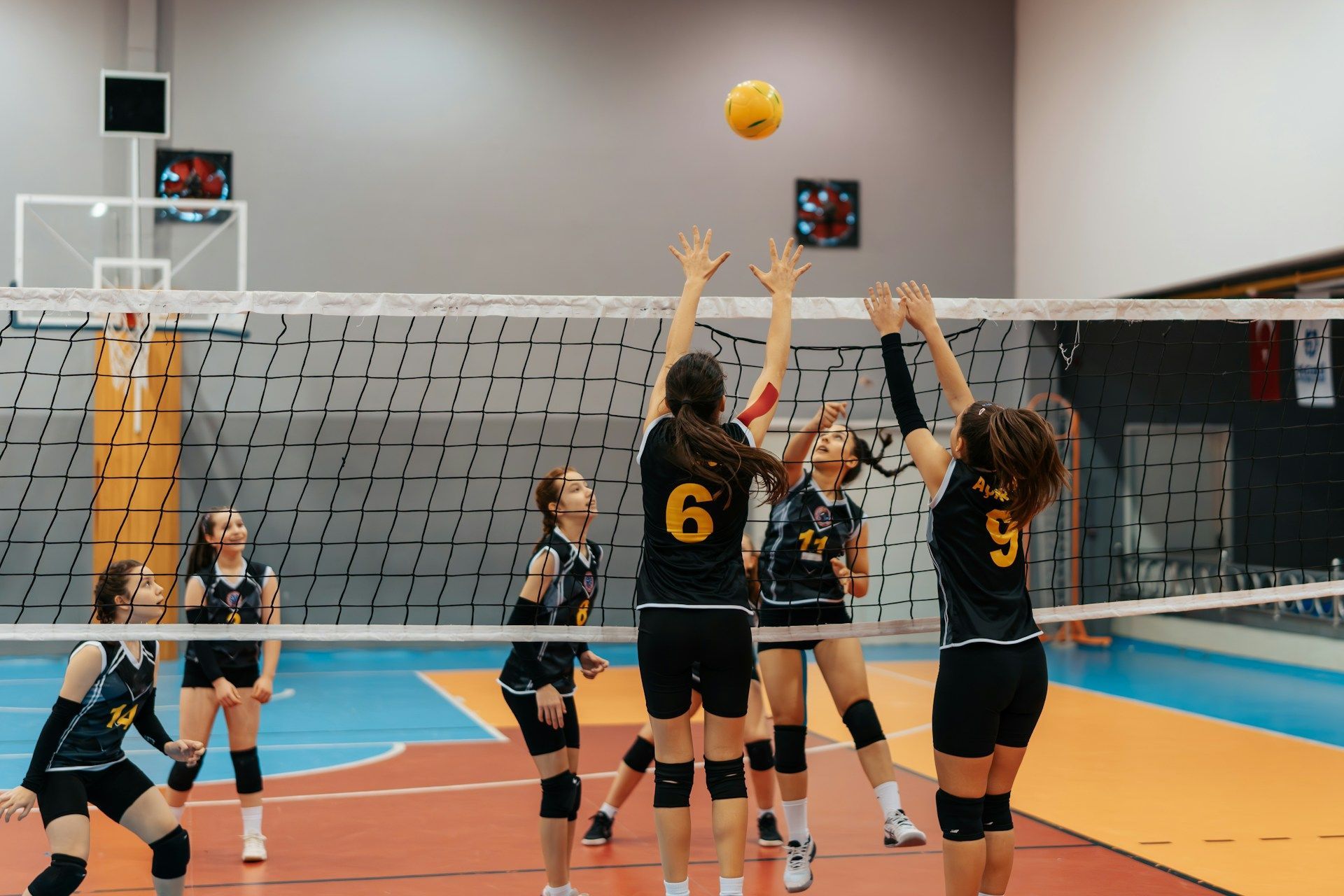
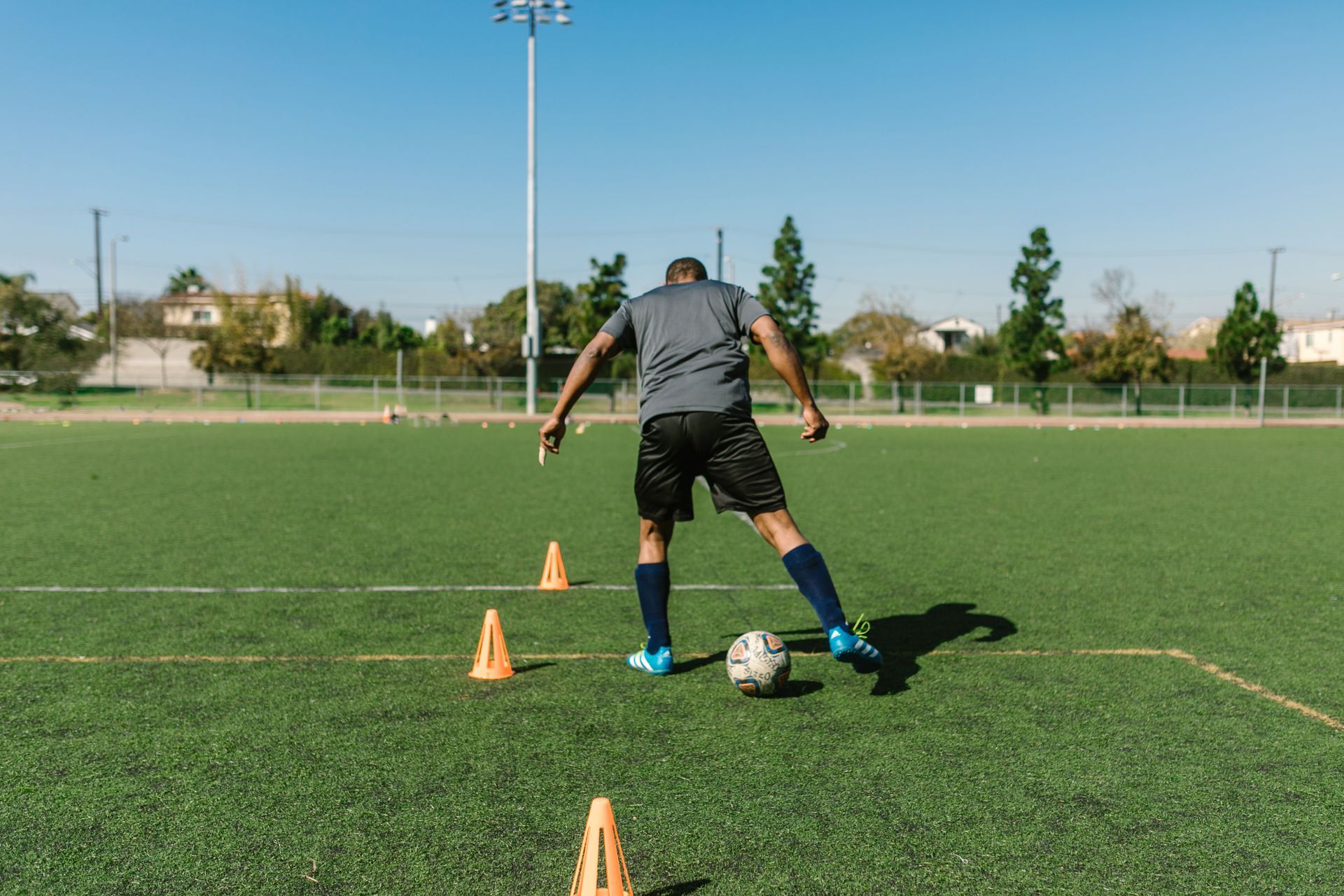
As the weather warms up and fields start to fill again, spring sports season is an exciting time for athletes of all ages. Whether you’re returning to running, baseball, lacrosse, tennis, or weekend pickup games, it’s important to remember: your body may not be as ready as your mindset.
Every year, I see a surge in injuries this time of year. Not because people are doing something wrong, but because they’re doing too much, too soon. Every year we hear how athletes did nothing to train or prepare for the upcoming season, go 110% in pre-season to impress the coach, then injuries set in those first few weeks of practice. These pre-season injuries can be decreased significantly with a better approach, which we'll dive into next.
1. Respect the “Ramp-Up” Period
Your body adapts to stress over time. If you’ve been less active during the winter months, jumping straight into high-intensity practices or games can overload muscles, tendons, and joints. IDEALLY, you should be training and ramping up for pre-season. If you decided to coast through the offseason, you'll be in for a rude awakening come pre-season. As general guidance to all sport, we recommend:
- Gradually increase activity over 4–6 weeks
- Follow the “10% rule” (don’t increase volume or intensity by more than 10% per week)
- Alternate hard and easy days to allow recovery. Going hard everyday is a recipe for disaster.
2. Prioritize a Proper Warm-Up
Cold muscles are more prone to strains and tears. Lacing up your shoes, a couple stretches and a quick jog aren't enough.
Try this instead:
- 5 minutes of light cardio to increase heart rate in blood flow to tissues (jogging, biking)
- Dynamic movements to hit bigger ranges of motion (air squat, lunge matrix, mach drills, plyometrics)
- Sport-specific drills (cutting, sprinting, throwing)
Think of your warm-up as preparing your nervous system to move, not just your muscles.
3. Build Strength Where It Matters
Spring sports often involve sprinting, cutting, jumping, and rapid changes in direction. Weakness in key areas, like the hips, core, and shoulders can increase injury risk. During the off-season (AND MAINTAINING THROUGH IN-SEASON) focus on:
- Building strength through hip and leg musculature (squatting and deadlifting variations)
- Building tendon resilience (holding and pushing isometrics)
- Addressing assymetries (staggers, split and single leg exercise)
Strength training 2–3 times per week can significantly reduce injury risk and improve performance.
4. Don’t Ignore Mobility
Limited mobility can alter your strategy on the task given, placing extra stress on joints and soft tissues. Each sport as their own "common" areas of injury, but as a general recommendation we prioritize demonstrating appropriate:
- Hip extension/flexion
- Ankle mobility
- Thoracic and hip rotation
Incorporating mobility work into your warm-up, even 5–10 minutes a day, can make a big difference in your longevity and the performance in a training session.
5. Listen to Early Warning Signs
Pain is not normal. It's not something you “push through,” especially early in the season. It's also NOT the same thing as soreness. Many injuries start as mild discomfort that gets ignored and worst case scenario turns into a chronic or recurring issue for athletes. Some red flags to be on the look for would be:
- Persistent soreness that doesn’t improve with rest (greater than 4 days)
- Sharp or localized pain
- Swelling or stiffness
- Changes in performance or movement patterns
Addressing these symptoms early can prevent weeks (or months) on the sidelines.
6. Recovery Is Part of Training
Recovery isn’t optional. It’s essential and should be a part of every athletes training. The MOST IMPORTANT part of recovery is:
- Getting adequate sleep (7–9 hours)
- Staying hydrated
- Fueling your body properly
- Taking at least 1–2 rest days per week
No magic pill or device is going to trump these recovery tools. These are FREE tools that are apart of your everyday life. Most athletes overlook these things and think turning to supplements or tools will allow them to recover quicker. Your body gets stronger during recovery, not just during training.
7. When to See a PT
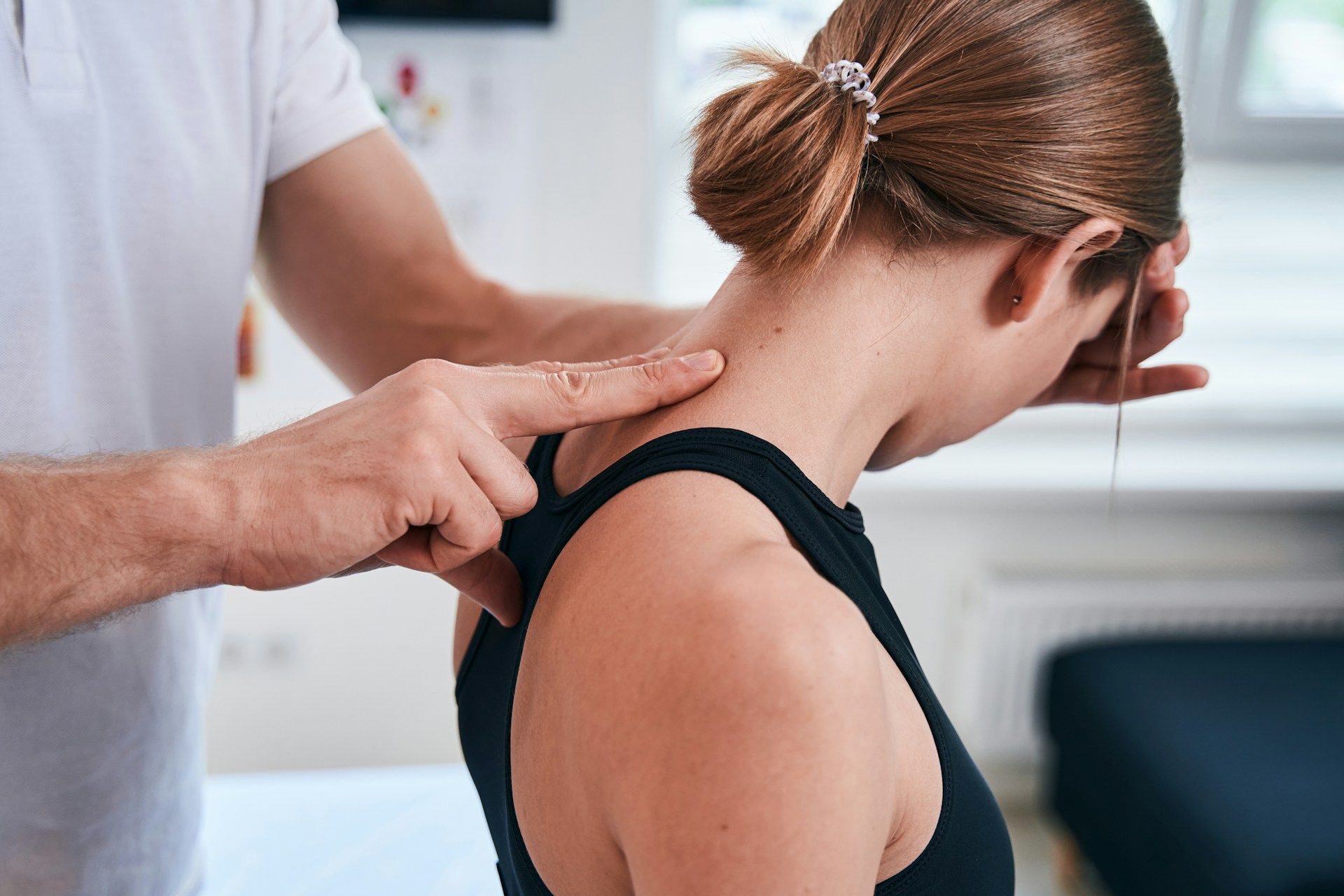
If you’re dealing with nagging pain, recurring injuries, or uncertainty about how to safely return to sport, a physical therapist can help guide you. We assess movement patterns, identify weaknesses or imbalances, and create individualized plans to keep you active and performing at your best. At Rebound, we especially prioritize our athletes being ready to compete at the highest level. We take the guesswork out of what you should be doing and create an actionable game plan together.
Spring sports should be fun, energizing, and rewarding. Not cut short by preventable injuries. Taking a proactive approach now can set the tone for a healthy, successful season.
Key takeaways: Build into your season, move well (and often), and don’t ignore what your body is telling you.
Recent Blog Post