Understanding Physical Therapy for CrossFit Athletes
How CrossFit Athletes Get Back to PRs Faster
Physical therapy for CrossFit is not about pulling you out of the gym and parking you on a couch. It is about helping you keep training, keep lifting, and get back to your sport with less pain and more confidence. If you are a CrossFit athlete, you probably care more about your next PR and getting back into full training than about resting indefinitely.
At Rebound Performance Physical Therapy in Newington, Connecticut, we focus on sports and active adults, so we speak your language. When you tell us your shoulder hurts in overhead squats or your back lights up in heavy deadlifts, we know exactly what those positions look and feel like. Our goal is to keep you in the game with your sport, not on the sidelines, and to guide you back to lifting, gymnastics, and conditioning safely, without relying on medications or injections.
In this article, we will walk through what physical therapy for CrossFit really is, why CrossFit athletes break down, how we keep you training while you heal, and how smart rehab can actually turn into performance gains for your lifts and metcons.
Why CrossFit Athletes Break Down and How PT Helps
CrossFit asks a lot from your body. High volume, high intensity, and constantly varied workouts mix together heavy lifting, bodyweight skills, and hard conditioning. That combination is powerful for your sport performance, but it can expose any weak link.
Common sport demands that stress tissues include:
- Olympic lifts like snatches, cleans, and jerks
- Heavy deadlifts and squats under fatigue
- Gymnastics skills such as kipping pull-ups, toes-to-bar, and handstand push-ups
- Conditioning pieces with rowing, running, and double unders
When those movements stack up across a week, we often see:
- Shoulder pain with overhead pressing, kipping, and snatches
- Low back strain with deadlifts, heavy cleans, and high-rep squats
- Knee pain during box jumps, lunges, and wall balls
- Wrist irritation with front rack positions and handstand work
Our job in physical therapy is not to just treat the sore spot. We look at how you move, how much you train, and how your joints and muscles handle load in the context of your sport. That means assessing:
- Movement patterns in squats, hinges, pressing, and pulling
- Mobility limits in shoulders, hips, ankles, and thoracic spine
- Strength imbalances between sides or between muscle groups
- Weekly training volume, intensity, and recovery habits
Instead of simply saying, "Stop CrossFit," we look for ways to keep you training in some capacity within your sport. Often, the answer is smart modification and better programming, not total rest.
What Physical Therapy for CrossFit Really Looks Like
Your first visit should feel different from a generic clinic experience. We want to know what you do in the gym for your sport, not just what hurts.
A typical evaluation at our sports-focused clinic includes:
- A detailed history of your WODs, recent cycles, and PR attempts
- Questions about how often you train and how hard your sessions feel
- Assessment of mobility, stability, and strength, tied directly to CrossFit movements
If your shoulder hurts in snatches, we are going to watch your snatch or a modified version of it. If your back flares up in deadlifts, we want to see your setup, bar path, and how you brace.
Treatment Blends Hands-On Care With Sport-Specific Training
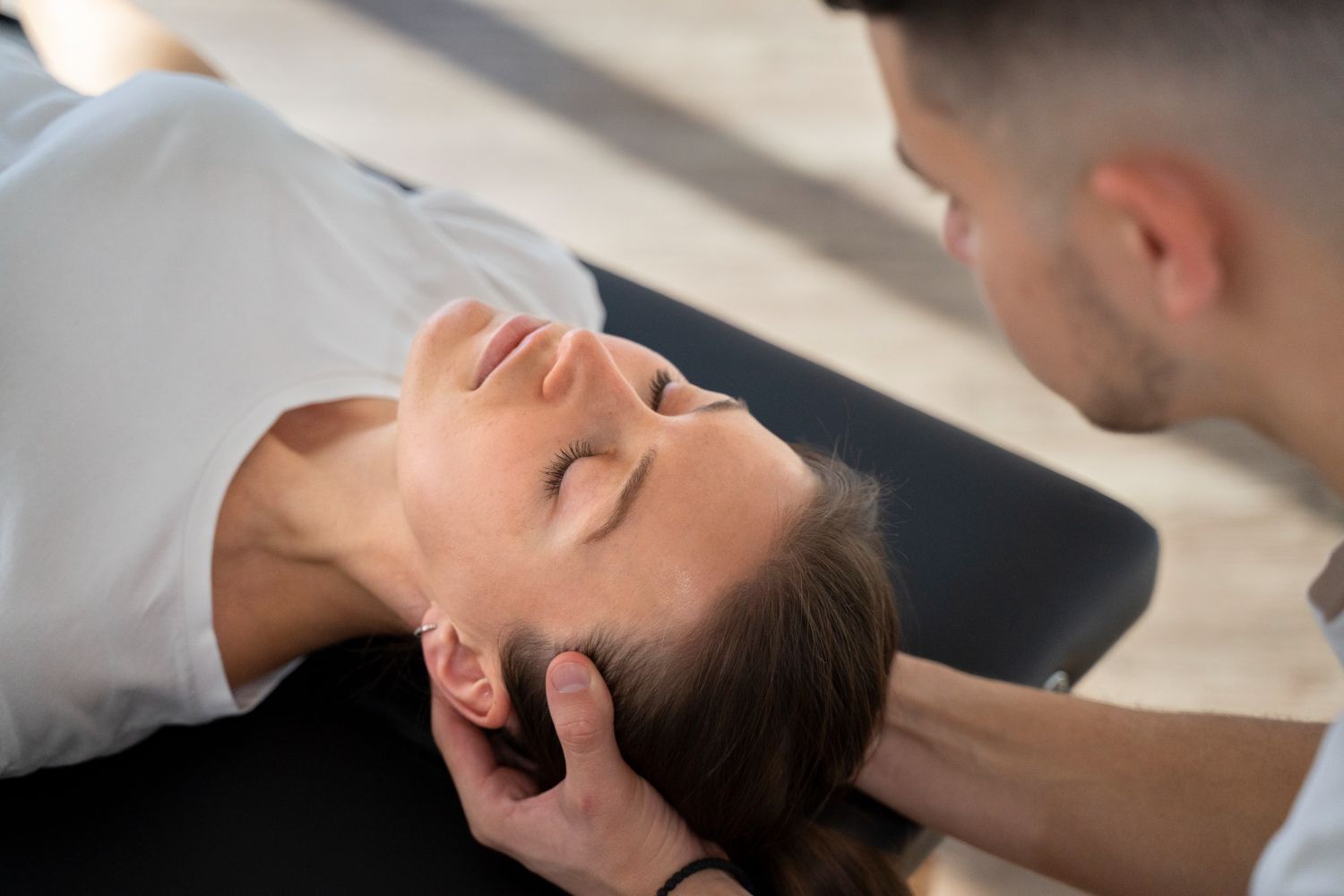
Manual therapy, joint mobilization, and soft tissue work to calm irritated areas
Specific mobility drills for positions like overhead squat, front rack, or deep hip flexion
Strength and stability work that maps directly onto your lifts and gymnastics skills
We Often Break Down Big Movements Into Smaller Pieces:
- Snatch: starting position, pull off the floor, turnover, and overhead catch position
- Kipping pull-up: hollow and arch shapes, shoulder rhythm, grip, and timing
- Thruster: front rack, squat mechanics, and press-out path
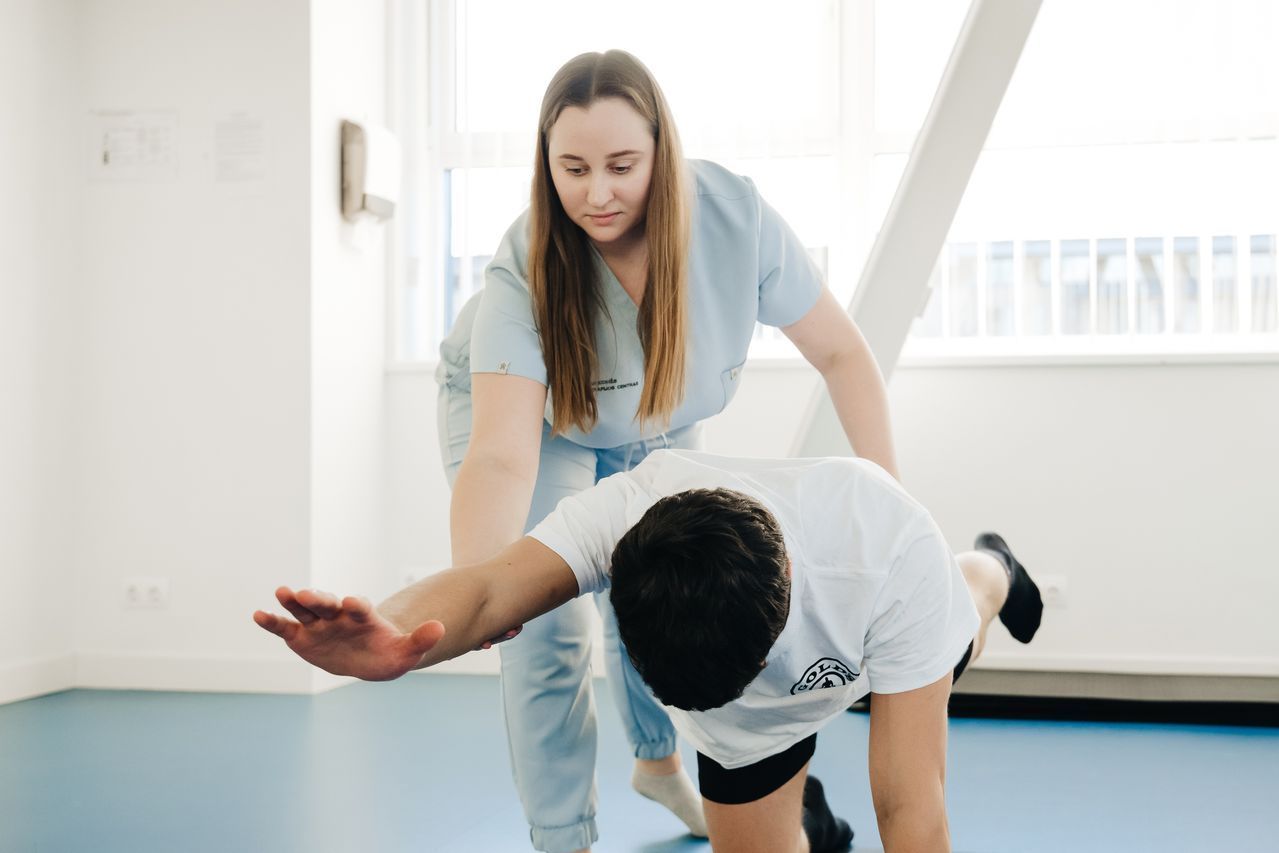
Because we work 1:1, you stay with a physical therapist for your entire session. That allows for real-time coaching, technique tweaks, and progressions that match what your coach is programming in the gym that week so you can return to full sport participation safely.
Staying in the Game While You Heal
Most CrossFit athletes do not want to disappear from training for weeks. Staying connected to your gym community and keeping your routine matters for both motivation and mental health, and for staying ready to return fully to your sport.
Instead of saying, "Stop all WODs," we help you train around the injury within your sport. For example:
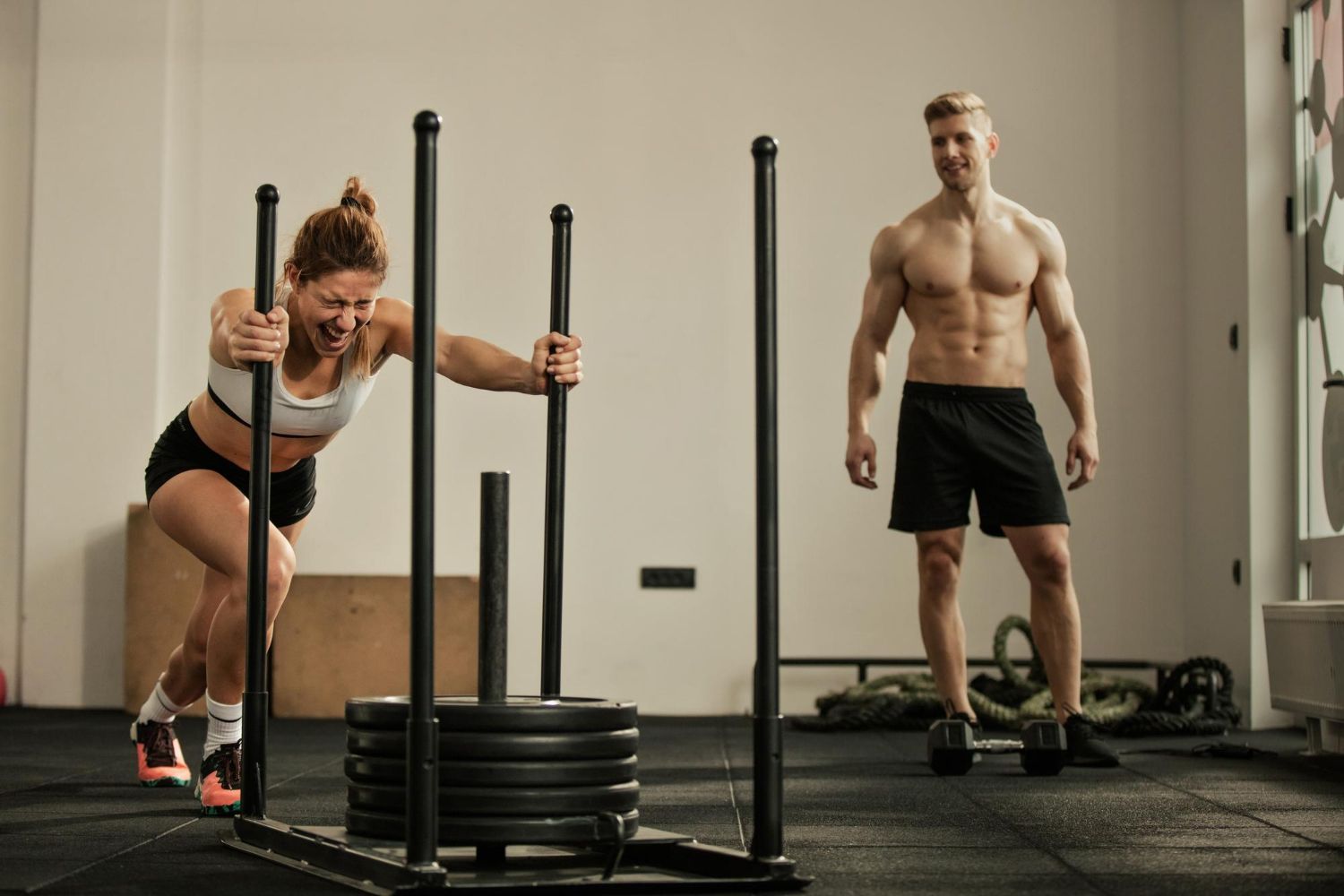
- Swapping box jumps for sled pushes or biking to unload the knees
- Replacing kipping pull-ups with strict ring rows or banded work when shoulders are irritated
- Using landmine presses or limited overhead work while a shoulder calms down
We also give clear guidelines on:
- Load: how heavy you can safely lift right now
- Volume: how many reps or sets your tissues can handle
- Intensity: where to keep your effort, so you do not flare symptoms constantly
Some Common Modification Ideas Include:
- Shoulder issues: push presses to landmine presses, strict pressing to partial range, or more rowing instead of high-volume kipping
- Knee pain: tempo squats, box squats, or partial-range squats instead of heavy high-speed work
- Low back sensitivity: hip hinge drills with lighter loads, deadlifts from blocks, or single-leg work instead of maximal pulling from the floor
When your physical therapist speaks the same CrossFit language as your coach, it becomes much easier to stay active in your sport, scale wisely, and trust that you are not making things worse.
Turning Rehab Into Sport Performance Gains
Physical therapy for CrossFit does not need to stop once your pain calms down. Rehab can smoothly turn into performance training that supports new PRs and better workout efficiency so you can get back into the game fully.
Key areas we often target for performance include:
- Mobility: better overhead and hip positions for stronger, safer lifting
- Midline stability: improved bracing for squats, pulls, and overhead work
- Unilateral strength: single-leg and single-arm work to clean up imbalances
These improvements do more than just reduce pain. They can help you:
- Add weight to your squats, cleans, and presses
- Hold better positions when you are fatigued in a metcon
- Recover faster between sessions because joints and tissues are not constantly irritated
To individualize programming, we may use:
- Single-leg strength tests like step-ups or split squats
- Jump and landing evaluations to look at power and control
- Movement screens for squats, hinges, presses, and overhead positions
At Rebound Performance Physical Therapy, we stay medication-free and surgery-free in our approach, focusing on building a stronger, more durable athlete so you can return fully to your sport. The same principles that help you handle CrossFit also support your participation in other U.S.-based sports you may play.
Your Next Step Back Into the Game
If you keep training through pain, skipping certain movements, or living in a cycle of rest and flare-up, you do not have to choose between CrossFit and your health. Sports-focused physical therapy that understands your sport can help you train smarter and feel more confident under the bar.
When You Are Ready, Plan to:
- Set clear sport goals, like returning to kipping pull-ups, competing again, or hitting a back squat PR
- Bring recent workout logs or notes on what movements bother you
- Be honest about your weekly training load, sleep, and recovery habits
For CrossFit athletes near Newington who want to get back into the game with their sport, a 1:1, sports-centered approach can be the link between nagging pain and stronger, more resilient WODs. With the right plan, you can return to full training, lift heavy, and push hard with less fear of re-injury and more trust in your body.
Keep Your CrossFit Training Strong and Safe
If pain or nagging injuries are holding you back, our targeted
physical therapy for CrossFit can help you move better and train with confidence. At Rebound Physical Therapy, we focus on keeping you in the gym while addressing the root cause of your limitations. Reach out to
contact us today and schedule an appointment so you can get back to pushing your performance, not your pain.
Recent Blog Post