How to Recover After Murph: What Actually Works
How to Recover After Murph: What Actually Works (And What’s Probably Overrated)
Every year over Memorial Day weekend, CrossFit athletes and first-time participants take on Murph. And every year, around 24-48 hours later, people are struggling to sit on the toilet, lower themselves into a chair, or straighten their arms after those pull-ups.
For many athletes, Murph is more than just a workout. It’s a tradition, a challenge, and a way to honor Lt. Michael Murphy and those who made the ultimate sacrifice. The community aspect is one of the best parts of the day.
But once the adrenaline wears off and the Memorial Day cookouts start, the next question becomes:
“How do I recover from this thing as fast as possible?”
That’s when people start chasing every recovery trend imaginable:
- Ice baths
- Compression boots
- Fancy supplements
- Massage guns
- Sauna
- Contrast therapy
- Cryotherapy
- That weird recovery powder your friend swears by
Truth Bomb:
Most people are searching for a shortcut while ignoring the two things that matter most.
The Best Recovery Tools After Murph Are Still Sleep and Nutrition
It's not sexy. Not marketable. Not exciting.
But if you want to recover well after Murph, nothing consistently beats:
- Quality sleep (7.5 hours)
- Adequate hydration (add in electrolytes)
- Eating enough quality food (prioritize carbs and high quality protein)
You can spend 45 minutes in an ice bath scrolling Instagram while sleeping 5 hours and skipping meals, but your body still won’t recover well.
Recovery is not about “hacking” soreness away. Recovery is your body rebuilding after stress. Murph creates a LOT of stress. Especially for:
- First-time participants
- Athletes who don’t regularly train high-volume pull-ups
- Weekend warriors who suddenly decide to “send it”
- People adding a weighted vest when they have not been prepping with one
Why Murph Wrecks People
Murph combines:
- High muscular volume
- Repetitive loading
- Long duration
- Running fatigue
- Grip fatigue
- Shoulder fatigue
- Heat and dehydration risk
That combination creates significant muscular breakdown and fatigue, especially in:
- Quads
- Lats
- Chest
- Triceps
- Calves
- Forearms
For first-time athletes, the volume alone can be shocking.
Even experienced CrossFit athletes can get crushed if they:
- Go out too hard
- Don’t scale appropriately
- Haven’t prepared for volume
- Ignore pacing
And no, being unable to lower yourself onto the toilet without support is not always a badge of honor. Sometimes it’s just a sign you massively overshot your current capacity.
Sleep: The Most Underrated Recovery Tool
If you only focus on ONE thing after Murph, make it sleep. Your body does the majority of its recovery while you sleep. It goes through the processes of:
- Tissue repair
- Hormonal regulation
- Nervous system recovery
- Energy restoration
Yet many athletes finish Murph and immediately sabotage recovery with not ideal choices.
Look, we understand it’s Memorial Day weekend. Nobody is saying you can’t enjoy yourself.
But if your Memorial Day plan consists of:
- Sending it at Murph
- Crush 11 beers
- Slam hot dogs and potato chips
- Pass out for 4 hours
Do not be shocked why your body feels like it got hit by a truck. The problem is probably isn’t that you forgot your compression boots.
Nutrition, Sleep & Hydration Matter More Than Most Recovery Gadgets
After Murph, your body needs:
- Fluids
- Electrolytes
- Adequate food intake
- Sleep
You don’t need a complicated “biohacking” strategy. You probably just need to stop under-eating and actually hydrate. A lot of athletes finish Murph dehydrated and under-fueled, especially if it’s hot outside. Then soreness ramps up over the next 24–48 hours and people start panicking.
Practical Sleep Tips After Murph
- Aim for a full night of sleep the night after Murph
- Go to bed earlier than usual if possible
- Limit excessive alcohol intake
- Hydrate throughout the day
- Try to avoid turning the entire weekend into a recovery disaster
Simple? Yes.
Effective? Also yes.
Basic Recovery Nutrition Principles
Within the scope of general recovery recommendations:
- Eat balanced meals throughout the day
- Include quality carbohydrates and protein sources
- Continue hydrating beyond just the workout window
- Don’t ignore appetite after hard training
- Add electrolytes
What About Ice Baths?
This is where people get upset. Ice baths can absolutely help you FEEL better.
They may temporarily reduce soreness perception and help athletes feel refreshed.
That’s valuable. But they are not magic.
An ice bath does NOT REPLACE sleep, hydration nutrition and training adjustments.
If you enjoy ice baths and feel good afterward, great. Use them. But don’t pretend a 10-minute cold plunge cancels out an entire weekend of terrible recovery habits.
Pros of Ice Baths
- May temporarily reduce soreness
- Can improve perceived recovery
- Some athletes feel mentally refreshed afterward
Cons
- Uncomfortable
- Temporary effect
- Often overhyped
- Not necessary for good recovery
Are Massage Guns, Compression Boots, and Sauna Worth It?
Maybe.
These tools can help athletes relax, improve circulation, and temporarily reduce stiffness.
The keyword is temporarily. None of these methods are inherently bad. In fact, many athletes genuinely enjoy them and feel better using them. The problem is when athletes prioritize recovery gadgets over recovery fundamentals.
Massage Guns
Pros:
- Can reduce muscle tension perception
- Feels good
- Easy to use
Cons:
- Temporary relief
- Doesn’t fix poor recovery habits
Compression Boots
Pros:
- Relaxing
- May help circulation and soreness perception
Cons:
- Expensive
- Benefits are likely modest
Sauna
Pros:
- Relaxation
- May help stiffness
- Some athletes feel recovered afterward
Cons:
- Additional dehydration risk if you’re already depleted
- Not ideal immediately after severe dehydration
Should You Work Out the Day After Murph?
Yes! but intelligently.
For most athletes, complete bed rest is not the answer. You'll actually probably feel worse with less activity.
Light movement often helps recovery more than doing absolutely nothing. Options that may make you feel better would be:
- Walking
- Easy biking
- Mobility work
- Light aerobic movement
- Gentle range-of-motion exercises
Bad idea: Trying to PR your back squat the next morning because “movement is medicine.” There’s a difference between recovery movement and continuing to beat yourself into the ground.
Normal Soreness vs. Possible Injury
Murph soreness can be intense. Especially 24–48 hours afterward. Common areas include:
- Quads
- Chest
- Lats
- Triceps
- Calves
Typical soreness signs are:
- Muscle stiffness
- Difficulty sitting down
- Tightness with movement
- General fatigue
- Symptoms improving gradually after a few days
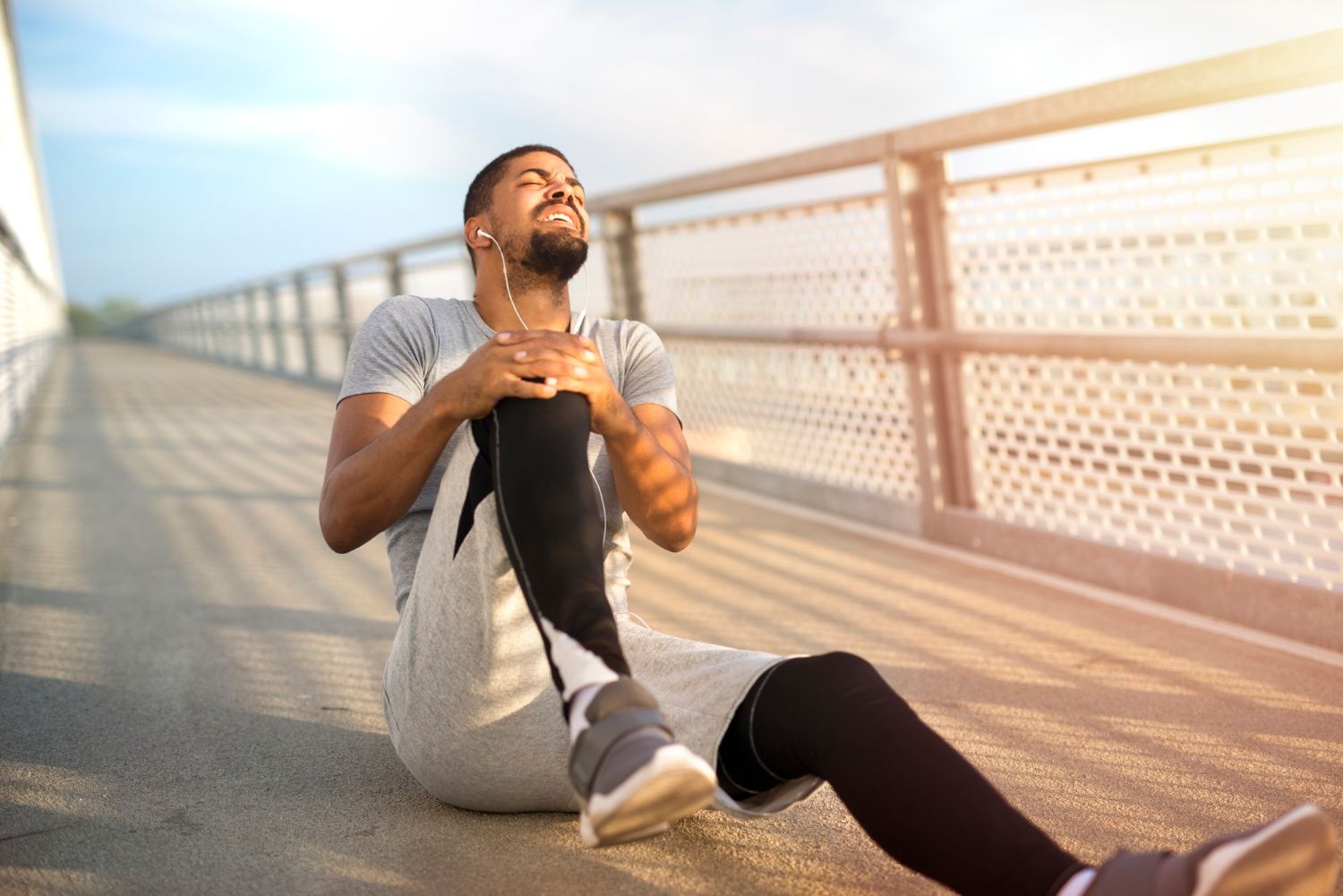
But soreness should gradually improve. You should NOT ignore:
- Sharp pain
- Joint-specific pain
- Swelling
- Significant loss of motion
- Symptoms worsening instead of improving
- Pain that changes your mechanics significantly
One of the biggest mistakes athletes make is assuming all pain after Murph is “normal.”
Sometimes it’s soreness. Sometimes it’s an irritated shoulder, angry knee, Achilles flare-up, or overloaded low back. Knowing the difference matters.
A Sample “Post-Murph Recovery Day”
Here’s what a solid recovery day could realistically look like:
Morning
- Sleep in a bit if possible
- Hydrate early
- Eat a quality breakfast
- Go for a light walk
Midday
- Easy mobility work
- Continue hydration
- Balanced lunch
- Relax and recover
Afternoon
- Optional light bike ride or easy movement (20-40 minutes)
- Compression boots, sauna, or massage gun IF you enjoy them
Evening
- Balanced dinner
- Reduce alcohol intake
- Stretch lightly if helpful
- Prioritize sleep
Notice what’s missing?No complicated recovery formula. No magic supplement stack.
No $12,000 recovery chamber.
The basics still win.
The Real Goal of Recovery
The goal is not just to “feel less sore.” The goal is to:
- Recover efficiently
- Reduce unnecessary setbacks
- Return to training safely
- Continue building long-term resilience
The best athletes are not just the people who train the hardest.They’re usually the people who recover the most consistently.
Recap
Murph is hard. That’s the point. The challenge, the community, and the shared suffering are part of what make it meaningful. But if you want to recover well afterward, stop looking for shortcuts before handling the fundamentals.
Prioritize:
- Sleep
- Hydration
- Nutrition
- Smart movement
- Gradual return to training
Then use recovery tools like ice baths, sauna, massage guns, or compression boots as OPTIONAL additions. not the foundation.
If you’re dealing with lingering pain after Murph, or you’re unsure whether what you’re experiencing is normal soreness versus something more significant, we can help.
At Rebound Physical Therapy, we help CrossFit athletes and active adults stay healthy, train hard, and return to doing what they love without guessing their way through injuries.
Book a call with one of our performance physical therapists to discuss whether Rebound is the right fit for you.
Recent Blog Post