Can Physical Therapy Fix My Arthritis?

Jon Maneen • March 13, 2023

Arthritis - What is it and how can PT help?

Arthritis is a condition that affects millions of people throughout the entire world. It is a degenerative disease that causes inflammation, stiffness, and pain in the joints. Arthritis is a broad term that encompasses different types of joint diseases, however the two most common types of arthritis are osteoarthritis and rheumatoid arthritis. Osteoarthritis is caused by the wear and tear of the joints over time, while rheumatoid arthritis is an autoimmune disease that attacks the joints. Arthritis can affect any joint in the body, but it most commonly seen in the knees, hips, spine and hands. Contributing factors to arthritic onset may be caused by:


  • age
  • injury
  • genetics


Unfortunately, there is currently no cure for arthritis. However, you do have options for treatment to manage your symptoms, physical therapy being the most effective! While physical therapy will not cure your arthritis, it can improve joint mobility, reduce pain and stiffness, and improve function throughout daily life and during your workouts. Lets explore the benefits of physical therapy for arthritis and how it can help you manage your symptoms.

How can Physical Therapy help?

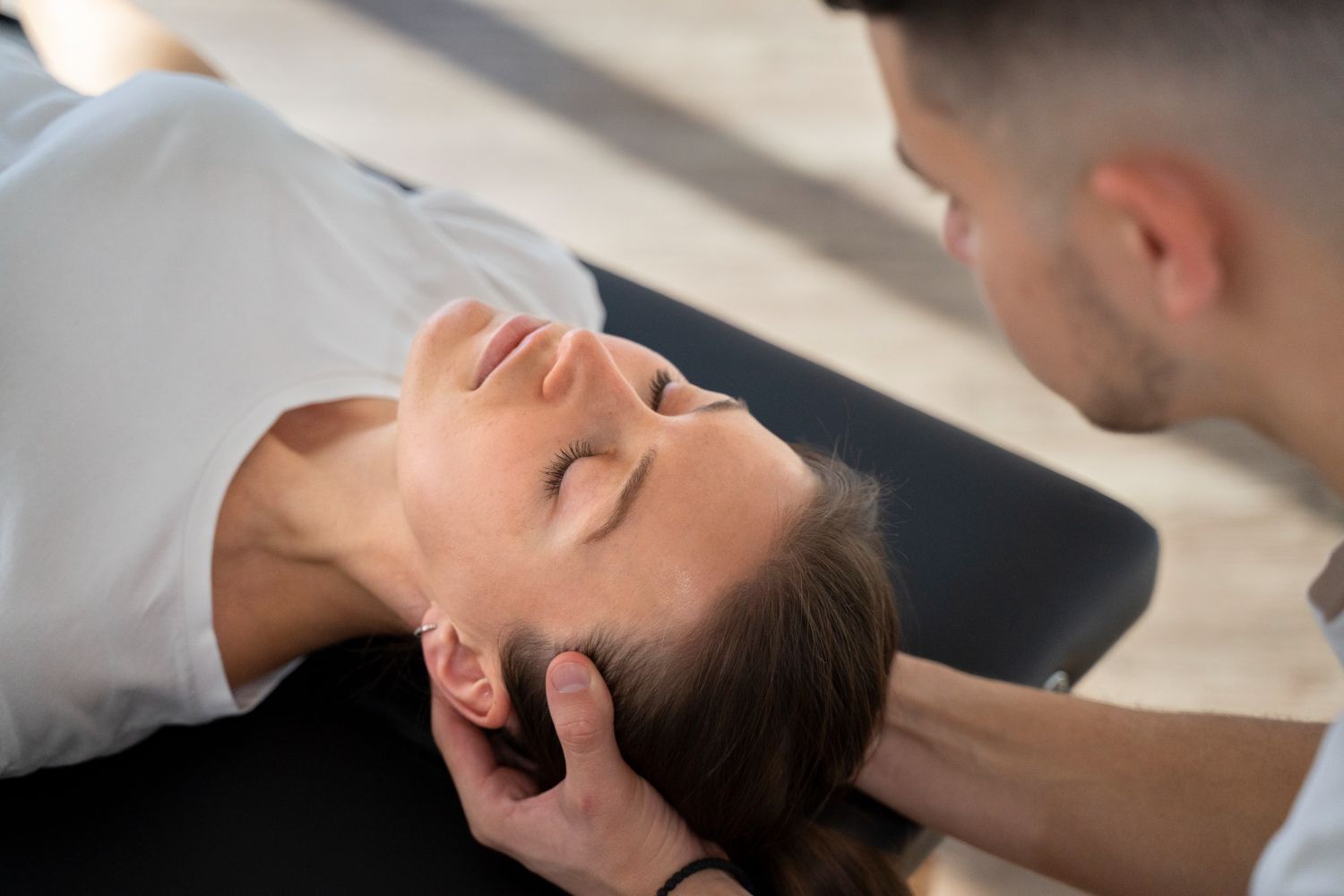
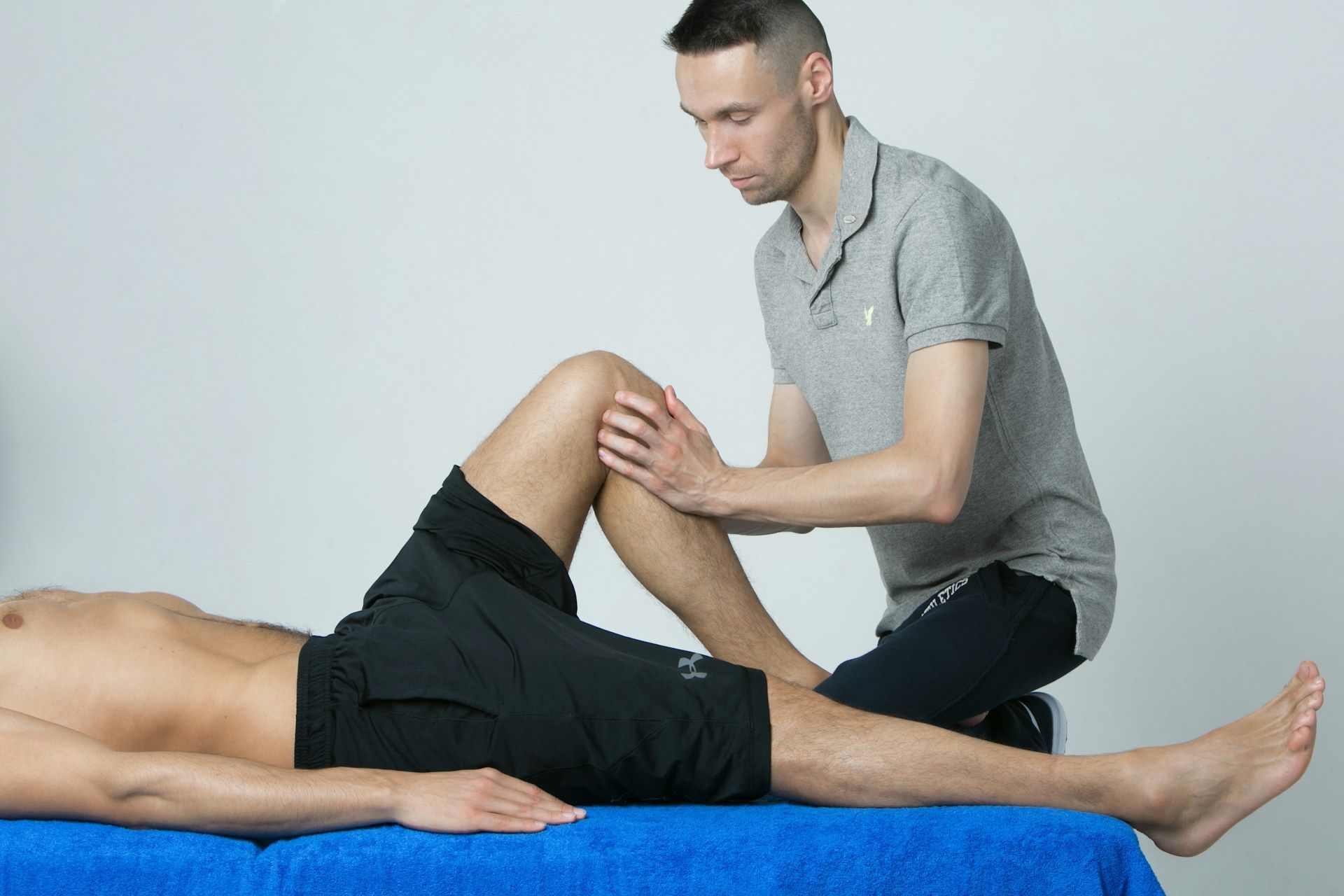
Physical therapy is a conservative treatment option that can help reduce symptoms and improve overall joint health. Physical therapy interventions may include exercises, manual therapy, as well as modalities such as heat and cold therapy. PT can help improve daily function by strengthening the muscles around the affected joint, improve joint mobility and soft tissue flexibility to improve range of motion, and reduce pain and inflammation. Throughout a course of PT, you can expect to receive guidance on how to modify activities throughout your day that which cause discomfort, with the goal to reduce joint stress and improve function. Additionally, physical therapy can help prevent further joint damage and delay the need for surgical intervention by enhancing movement patterns. The benefits of physical therapy for arthritis are numerous, as it is a safe and effective treatment option for people of all ages and activity levels. Exercise selection will vary dependent on patient’s current abilities, but the end goal is always the same. To get you feeling better and back to activities you love without pain.

Expectations from your PT

If you decide to pursue physical therapy at Rebound, the first step will be an initial assessment with a Doctor of Physical Therapy. During this assessment, your physical therapist will evaluate your joint mobility, flexibility, functional and muscular strength, as well as your overall health and prior medical history. Based on your evaluation, you and your physical therapist will create a treatment plan that is tailored to your specific needs and goals. Your treatment plan may include a combination of exercises, manual therapy and activity modifications you will encounter each day. How often you should be performing your exercises or strategies to minimize pain will depend on the severity of your arthritis, your response to treatment, the goal of the exercise and your current fitness level. Consistency is king, as it is important to commit to your treatment plan and follow instructions given by your PT. We are always welcoming feedback on your response to treatment and how you are progressing, as changes can easily be made on the fly and during your next appointment.

Wrap Up

In addition to physical therapy, there are several lifestyle modifications that can help manage arthritic symptoms. Maintaining a healthy weight, eating a balanced diet, and getting regular exercise can all help reduce joint stress and inflammation. It is important to speak with your PT and understand what type of exercise will be most beneficial for you throughout the rehab process. It is also important to avoid activities that put excessive stress on your joints. For some individuals this may be higher impact activity such as running and jumping. For others it may be lower-level activity like navigating the stairs. In these cases, we recommend modifications to keep symptoms down, and as you progress through PT, these lower-level activities that once caused pain will now be a thing of the past. Staying informed about your condition and how you are progressing can help you make educated decisions about your health and how you should be modifying your daily activities. By taking a proactive approach to your arthritis management, you can improve your quality of life and reduce the impact of this chronic condition to feel your best each day.

Recent Blog Post
By Becky Cyr April 15, 2026
As the weather warms up and fields start to fill again, spring sports season is an exciting time for athletes of all ages. Whether you’re returning to running, baseball, lacrosse, tennis, or weekend pickup games, it’s important to remember: your body may not be as ready as your mindset. Every year, I see a surge in injuries this time of year. Not because people are doing something wrong, but because they’re doing too much, too soon. Every year we hear how athletes did nothing to train or prepare for the upcoming season, go 110% in pre-season to impress the coach, then injuries set in those first few weeks of practice. These pre-season injuries can be decreased significantly with a better approach, which we'll dive into next. 1. Respect the “Ramp-Up” Period Your body adapts to stress over time. If you’ve been less active during the winter months, jumping straight into high-intensity practices or games can overload muscles, tendons, and joints. IDEALLY, you should be training and ramping up for pre-season. If you decided to coast through the offseason, you'll be in for a rude awakening come pre-season. As general guidance to all sport, we recommend: Gradually increase activity over 4–6 weeks Follow the “10% rule” (don’t increase volume or intensity by more than 10% per week) Alternate hard and easy days to allow recovery. Going hard everyday is a recipe for disaster. 2. Prioritize a Proper Warm-Up Cold muscles are more prone to strains and tears. Lacing up your shoes, a couple stretches and a quick jog aren't enough. Try this instead: 5 minutes of light cardio to increase heart rate in blood flow to tissues (jogging, biking) Dynamic movements to hit bigger ranges of motion (air squat, lunge matrix, mach drills, plyometrics) Sport-specific drills (cutting, sprinting, throwing) Think of your warm-up as preparing your nervous system to move, not just your muscles. 3. Build Strength Where It Matters Spring sports often involve sprinting, cutting, jumping, and rapid changes in direction. Weakness in key areas, like the hips, core, and shoulders can increase injury risk. During the off-season (AND MAINTAINING THROUGH IN-SEASON) focus on: Building strength through hip and leg musculature (squatting and deadlifting variations) Building tendon resilience (holding and pushing isometrics) Addressing assymetries (staggers, split and single leg exercise) Strength training 2–3 times per week can significantly reduce injury risk and improve performance. 4. Don’t Ignore Mobility Limited mobility can alter your strategy on the task given, placing extra stress on joints and soft tissues. Each sport as their own "common" areas of injury, but as a general recommendation we prioritize demonstrating appropriate: Hip extension/flexion Ankle mobility Thoracic and hip rotation Incorporating mobility work into your warm-up, even 5–10 minutes a day, can make a big difference in your longevity and the performance in a training session. 5. Listen to Early Warning Signs Pain is not normal. It's not something you “push through,” especially early in the season. It's also NOT the same thing as soreness. Many injuries start as mild discomfort that gets ignored and worst case scenario turns into a chronic or recurring issue for athletes. Some red flags to be on the look for would be: Persistent soreness that doesn’t improve with rest (greater than 4 days) Sharp or localized pain Swelling or stiffness Changes in performance or movement patterns Addressing these symptoms early can prevent weeks (or months) on the sidelines. 6. Recovery Is Part of Training Recovery isn’t optional. It’s essential and should be a part of every athletes training. The MOST IMPORTANT part of recovery is: Getting adequate sleep (7–9 hours) Staying hydrated Fueling your body properly Taking at least 1–2 rest days per week No magic pill or device is going to trump these recovery tools. These are FREE tools that are apart of your everyday life. Most athletes overlook these things and think turning to supplements or tools will allow them to recover quicker. Your body gets stronger during recovery, not just during training. 7. When to See a PT If you’re dealing with nagging pain, recurring injuries, or uncertainty about how to safely return to sport, a physical therapist can help guide you. We assess movement patterns, identify weaknesses or imbalances, and create individualized plans to keep you active and performing at your best. At Rebound, we especially prioritize our athletes being ready to compete at the highest level. We take the guesswork out of what you should be doing and create an actionable game plan together. Spring sports should be fun, energizing, and rewarding. Not cut short by preventable injuries. Taking a proactive approach now can set the tone for a healthy, successful season. Key takeaways: Build into your season, move well (and often), and don’t ignore what your body is telling you.
By Dennis Brady April 15, 2026
If you’re serious about improving your golf game, you’ve probably watched your swing on video, had a lesson with a teaching pro, or even upgraded your equipment. But have you ever assessed how your body moves? Before you can fix a swing flaw, you need to know whether your body can physically do what your swing coach is asking for. That’s where a golf mobility and performance screen comes in. What Is a Golf Mobility & Performance Screen? A golf screen is a series of simple, targeted movement tests that evaluate how well your body moves in ways that directly affect your golf swing. It’s a functional assessment designed to find the physical strengths and limitations that either help or hurt your swing. As a Titleist Performance Institute (TPI) certified clinician, I use this screening process to identify: Mobility restrictions that limit rotation or posture Stability issues that affect sequencing and control Asymmetries that lead to inconsistency or pain Movement patterns that may cause swing faults The TPI Philosophy: There’s No One Perfect Swing At the Titleist Performance Institute (TPI), the philosophy is simple: “There’s no one way to swing a golf club, but there is one efficient way for every player to swing — based on what they can physically do.” Your swing should match your body, not the other way around. Trying to copy a tour player’s swing without the same mobility or strength often leads to compensation, inconsistency and potentially injury. What Does the Screen Include A comprehensive golf mobility and performance screen typically includes: Testing hip, thoracic spine, and shoulder mobility Stability and postural control Core and lower body function Coordination and sequencing of your movement Why Every Golfer Should Be Screened A TPI screen can reveal why certain swing positions feel difficult or inconsistent, reduce your risk of overuse injuries, guide smarter individualized training and improve consistency and power. Every great performance program starts with an assessment . Without a proper understanding of your baseline, how do we decide where you need to start? A golf mobility and performance screen bridges the gap between how your body moves and your swing. Once you understand your movement limitations, every drill, stretch, and strength session becomes more purposeful and your results on the course will follow.
Hawkin Dynamics Jump testing
By Jon Maneen March 2, 2026
Watching the CrossFit Open always fires people up. Seeing athletes like Colten Mertens fly through workout reminds everyone what’s possible when movement, strength, and conditioning line up perfectly. This year’s Open starting with CrossFit Open 26.1, brought something familiar back into the spotlight: the box jump. It looks simple. Jump on a box. Step down. Repeat. But here’s what most people don’t realize: There are two very different kinds of box jumps — and they train two very different things. We see the confusion around this every week in the clinic, and actually spoke with a few different athletes about this very thing recently. Buckle up and let's dive in. Efficient Box Jumps vs. Box Jumps for power In CrossFit workouts, box jumps are usually there to test your engine. You’re trying to get through reps efficiently. That means shorter dips, quicker repetitions, and just enough jump to clear the box. The goal isn’t to jump higher, it’s to maintain your performance the workout. That’s totally fine, as long as you understand what you’re training.
By Dennis Brady October 30, 2025
Why Golf Is More Physical Than You Think
By Becky Cyr October 27, 2025
Understanding Cervicogenic Dizziness And How Physical Therapy Can Help
Show More
By Becky Cyr April 15, 2026
As the weather warms up and fields start to fill again, spring sports season is an exciting time for athletes of all ages. Whether you’re returning to running, baseball, lacrosse, tennis, or weekend pickup games, it’s important to remember: your body may not be as ready as your mindset. Every year, I see a surge in injuries this time of year. Not because people are doing something wrong, but because they’re doing too much, too soon. Every year we hear how athletes did nothing to train or prepare for the upcoming season, go 110% in pre-season to impress the coach, then injuries set in those first few weeks of practice. These pre-season injuries can be decreased significantly with a better approach, which we'll dive into next. 1. Respect the “Ramp-Up” Period Your body adapts to stress over time. If you’ve been less active during the winter months, jumping straight into high-intensity practices or games can overload muscles, tendons, and joints. IDEALLY, you should be training and ramping up for pre-season. If you decided to coast through the offseason, you'll be in for a rude awakening come pre-season. As general guidance to all sport, we recommend: Gradually increase activity over 4–6 weeks Follow the “10% rule” (don’t increase volume or intensity by more than 10% per week) Alternate hard and easy days to allow recovery. Going hard everyday is a recipe for disaster. 2. Prioritize a Proper Warm-Up Cold muscles are more prone to strains and tears. Lacing up your shoes, a couple stretches and a quick jog aren't enough. Try this instead: 5 minutes of light cardio to increase heart rate in blood flow to tissues (jogging, biking) Dynamic movements to hit bigger ranges of motion (air squat, lunge matrix, mach drills, plyometrics) Sport-specific drills (cutting, sprinting, throwing) Think of your warm-up as preparing your nervous system to move, not just your muscles. 3. Build Strength Where It Matters Spring sports often involve sprinting, cutting, jumping, and rapid changes in direction. Weakness in key areas, like the hips, core, and shoulders can increase injury risk. During the off-season (AND MAINTAINING THROUGH IN-SEASON) focus on: Building strength through hip and leg musculature (squatting and deadlifting variations) Building tendon resilience (holding and pushing isometrics) Addressing assymetries (staggers, split and single leg exercise) Strength training 2–3 times per week can significantly reduce injury risk and improve performance. 4. Don’t Ignore Mobility Limited mobility can alter your strategy on the task given, placing extra stress on joints and soft tissues. Each sport as their own "common" areas of injury, but as a general recommendation we prioritize demonstrating appropriate: Hip extension/flexion Ankle mobility Thoracic and hip rotation Incorporating mobility work into your warm-up, even 5–10 minutes a day, can make a big difference in your longevity and the performance in a training session. 5. Listen to Early Warning Signs Pain is not normal. It's not something you “push through,” especially early in the season. It's also NOT the same thing as soreness. Many injuries start as mild discomfort that gets ignored and worst case scenario turns into a chronic or recurring issue for athletes. Some red flags to be on the look for would be: Persistent soreness that doesn’t improve with rest (greater than 4 days) Sharp or localized pain Swelling or stiffness Changes in performance or movement patterns Addressing these symptoms early can prevent weeks (or months) on the sidelines. 6. Recovery Is Part of Training Recovery isn’t optional. It’s essential and should be a part of every athletes training. The MOST IMPORTANT part of recovery is: Getting adequate sleep (7–9 hours) Staying hydrated Fueling your body properly Taking at least 1–2 rest days per week No magic pill or device is going to trump these recovery tools. These are FREE tools that are apart of your everyday life. Most athletes overlook these things and think turning to supplements or tools will allow them to recover quicker. Your body gets stronger during recovery, not just during training. 7. When to See a PT If you’re dealing with nagging pain, recurring injuries, or uncertainty about how to safely return to sport, a physical therapist can help guide you. We assess movement patterns, identify weaknesses or imbalances, and create individualized plans to keep you active and performing at your best. At Rebound, we especially prioritize our athletes being ready to compete at the highest level. We take the guesswork out of what you should be doing and create an actionable game plan together. Spring sports should be fun, energizing, and rewarding. Not cut short by preventable injuries. Taking a proactive approach now can set the tone for a healthy, successful season. Key takeaways: Build into your season, move well (and often), and don’t ignore what your body is telling you.
By Dennis Brady April 15, 2026
If you’re serious about improving your golf game, you’ve probably watched your swing on video, had a lesson with a teaching pro, or even upgraded your equipment. But have you ever assessed how your body moves? Before you can fix a swing flaw, you need to know whether your body can physically do what your swing coach is asking for. That’s where a golf mobility and performance screen comes in. What Is a Golf Mobility & Performance Screen? A golf screen is a series of simple, targeted movement tests that evaluate how well your body moves in ways that directly affect your golf swing. It’s a functional assessment designed to find the physical strengths and limitations that either help or hurt your swing. As a Titleist Performance Institute (TPI) certified clinician, I use this screening process to identify: Mobility restrictions that limit rotation or posture Stability issues that affect sequencing and control Asymmetries that lead to inconsistency or pain Movement patterns that may cause swing faults The TPI Philosophy: There’s No One Perfect Swing At the Titleist Performance Institute (TPI), the philosophy is simple: “There’s no one way to swing a golf club, but there is one efficient way for every player to swing — based on what they can physically do.” Your swing should match your body, not the other way around. Trying to copy a tour player’s swing without the same mobility or strength often leads to compensation, inconsistency and potentially injury. What Does the Screen Include A comprehensive golf mobility and performance screen typically includes: Testing hip, thoracic spine, and shoulder mobility Stability and postural control Core and lower body function Coordination and sequencing of your movement Why Every Golfer Should Be Screened A TPI screen can reveal why certain swing positions feel difficult or inconsistent, reduce your risk of overuse injuries, guide smarter individualized training and improve consistency and power. Every great performance program starts with an assessment . Without a proper understanding of your baseline, how do we decide where you need to start? A golf mobility and performance screen bridges the gap between how your body moves and your swing. Once you understand your movement limitations, every drill, stretch, and strength session becomes more purposeful and your results on the course will follow.
Hawkin Dynamics Jump testing
By Jon Maneen March 2, 2026
Watching the CrossFit Open always fires people up. Seeing athletes like Colten Mertens fly through workout reminds everyone what’s possible when movement, strength, and conditioning line up perfectly. This year’s Open starting with CrossFit Open 26.1, brought something familiar back into the spotlight: the box jump. It looks simple. Jump on a box. Step down. Repeat. But here’s what most people don’t realize: There are two very different kinds of box jumps — and they train two very different things. We see the confusion around this every week in the clinic, and actually spoke with a few different athletes about this very thing recently. Buckle up and let's dive in. Efficient Box Jumps vs. Box Jumps for power In CrossFit workouts, box jumps are usually there to test your engine. You’re trying to get through reps efficiently. That means shorter dips, quicker repetitions, and just enough jump to clear the box. The goal isn’t to jump higher, it’s to maintain your performance the workout. That’s totally fine, as long as you understand what you’re training.
By Dennis Brady October 30, 2025
Why Golf Is More Physical Than You Think
By Becky Cyr October 27, 2025
Understanding Cervicogenic Dizziness And How Physical Therapy Can Help
July 19, 2025
Discover the best PT strength and mobility exercises tailored for runners in Newington, CT. Improve hip mobility, core strength, glute activation, IT band flexibility, and more.
Runner on a paved path in a park, wearing blue leggings and white shoes; sunny day.
July 17, 2025
Discover how physical therapy supports beginner runners in Central CT training for their first half-marathon. Learn injury prevention tips, gait analysis, and more.
A man is sitting on a park bench with his head down.
By Jon Maneen June 23, 2025
Expert physical therapy in Newington, CT for athletes of all levels. Rebound Performance PT offers specialized treatment for sports injuries, return-to-sport programs, and more.
A woman is getting her elbow examined by a doctor.
May 1, 2025
Learn how structured rehab phases can speed your recovery while preventing reinjury. Discover the science behind proper tissue loading and practical strategies you can apply today.
A man and a woman are running in the woods.
By Jon Maneen April 15, 2025
Improve your running performance with expert-recommended strength & mobility exercises. Get guidance from Rebound Performance PT.