Should I Keep Training CrossFit While Recovering From An Injury?
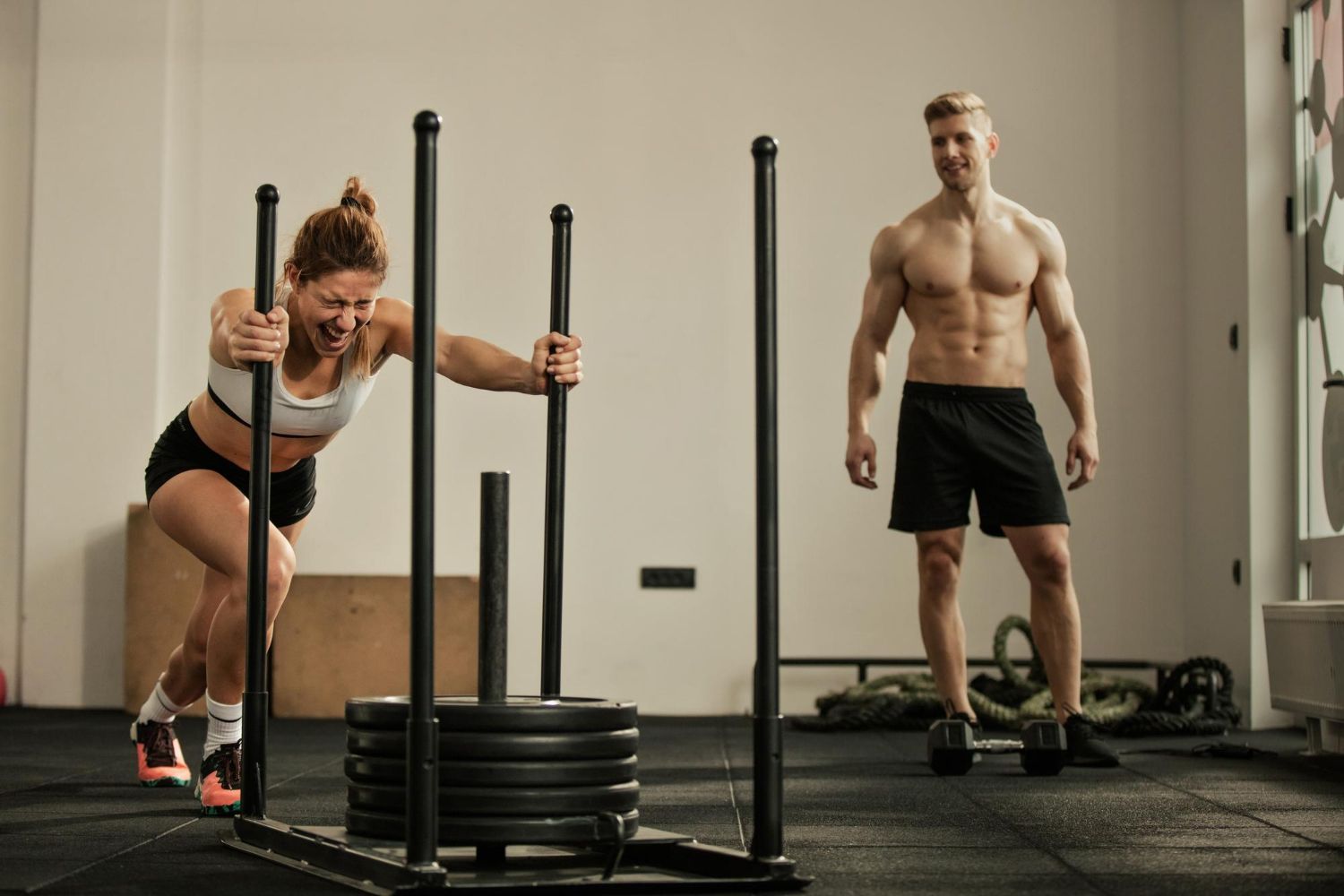
Training CrossFit while recovering from an injury is not only possible—it’s often the smartest path back to full performance. Rather than shutting everything down, strategic scaling and movement modification allow you to stay active, preserve fitness, and actually speed up the healing process.
At Rebound Performance PT in Newington, CT, we see this play out every week. Athletes who stay in the gym—with the right plan—come back stronger and faster than those who park themselves on the couch. The goal of recovery isn’t just to stop the pain. It’s to build a more resilient version of you that can handle the demands of the Sport of Fitness.
Quick Summary
- Keep moving: Total inactivity leads to muscle atrophy and psychological setbacks. Scaling lets you heal while staying fit.
- Use the 24-hour rule: Monitor pain during and after your WOD to gauge whether your modifications are working.
- Get professional guidance: A movement expert can align your modifications with the specific phase of tissue healing.
- Stay in the community: The gym environment preserves your routine and social support, both of which are critical for long-term athletic success.
Why Total Rest Rarely Works for CrossFit Injuries
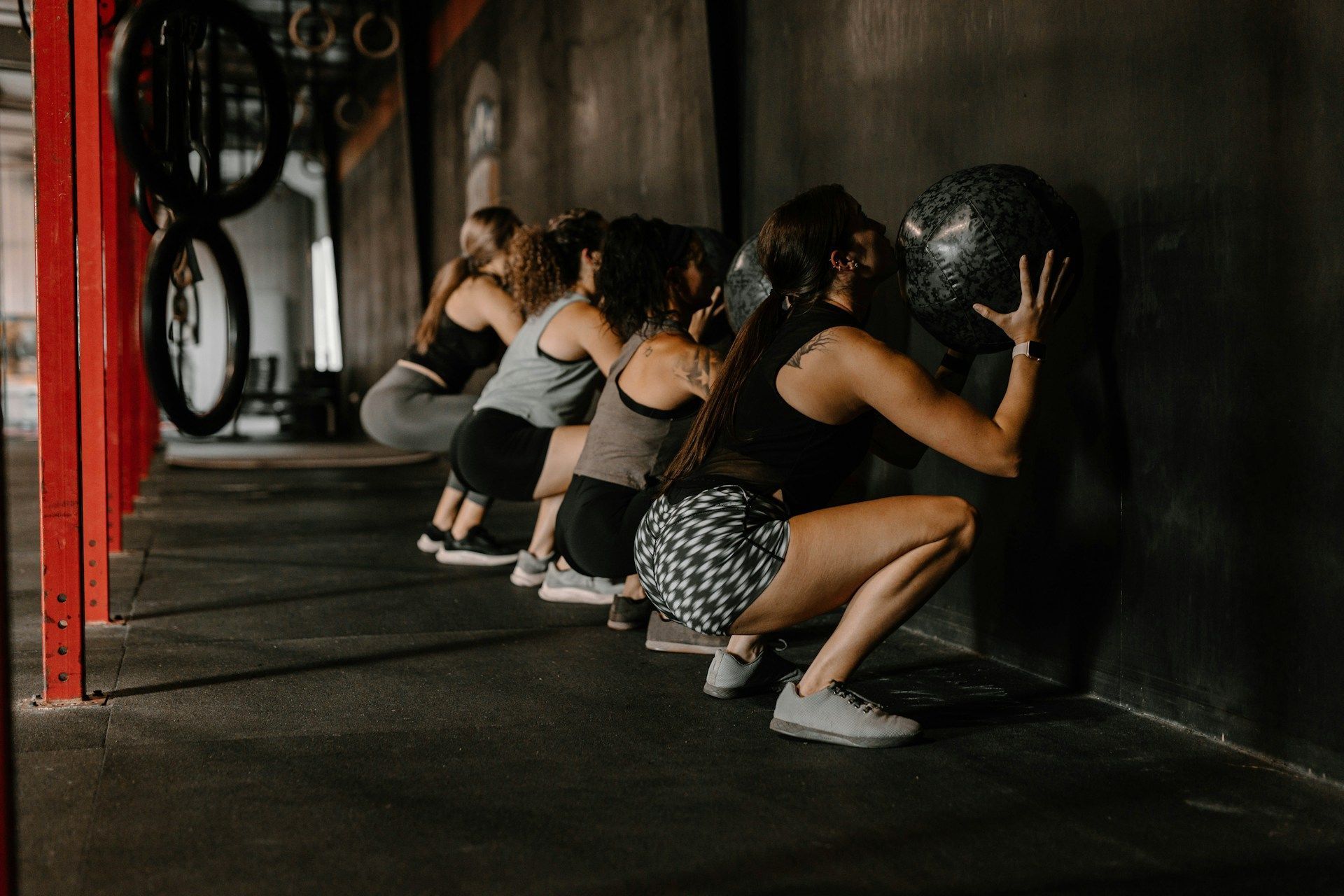
If you’ve ever felt a sharp twinge in your shoulder during a snatch or a dull ache in your knee after heavy wall balls, your first instinct might be to cancel your membership and wait it out. That’s an understandable reaction, but it’s usually the wrong one.
The old R.I.C.E. protocol (Rest, Ice, Compression, Elevation) has largely given way to a more active approach. Current research in sports rehabilitation shows that early mobilization can reduce recovery time by up to 30% compared to complete immobilization.
Controlled movement increases localized blood flow—by as much as 40%—delivering the oxygen and nutrients that damaged tissues need to repair.
Put simply, movement is medicine. For non-traumatic, overuse-type injuries—which make up the majority of CrossFit injuries—modified activity outperforms sitting still.
Scale, Don’t Stop: How CrossFit’s Built-In Scalability Works in Your Favor
“Constantly varied functional movement performed at high intensity” can sound intimidating when you’re hurt. But the beauty of CrossFit is its infinite scalability. Whether you’re a Games-level competitor or a local box member here in Newington, CT, every workout’s stimulus can be adjusted to match your current capacity.
Research indicates that roughly 73.5% of CrossFit-related injuries involve the shoulder, lower back, or knee, often from repetitive strain or improper loading. If your shoulder is the problem, that doesn’t mean you need to stop squatting or running. Scaling preserves neurological movement patterns even when load is reduced. When you perform air squats while your back heals, your brain continues firing the correct muscle sequences—making your eventual return to heavy cleans much smoother.
The guiding principle is that pain-free range of motion dictates the intensity of a recovery WOD. If a pull-up hurts, try a ring row. If a ring row hurts, shift to scapular retractions. The goal is to find the entry point where you can work hard enough to break a sweat without aggravating the injury.
Scaling is not cheating. It’s a sophisticated training tool for longevity. It keeps your cardiovascular system from de-training and your nervous system engaged, both of which speed your return to full intensity.
How to Know If You’re Doing Too Much: Red Flags During Recovery
A common and valid concern is, “How do I know if I’m pushing too hard?” Answering this question well means becoming an expert in your own body’s signals. We use a simple 0–10 pain scale to help athletes navigate their training sessions:
| Zone (Level) | Pain Level | What It Means |
|---|---|---|
| Green | 0-3 | Safe to proceed. Mild discomfort or awareness of the injury, but it isn’t worsening. |
| Yellow | 4-5 | Proceed with caution. If pain holds steady and subsides soon after, you’re likely in a safe loading phase. |
| Red | 6-10 | Gates |
Watch for latent pain as well. If you feel great during your 6 AM class but can’t walk down the stairs by 6 PM, the volume was too high. Apply the 24-hour rule: if pain is worse the next day, you overdid it. Research suggests that scaling movements can maintain up to 85% of metabolic conditioning during a rehab cycle, so you won’t lose your engine while your joint heals—as long as you respect these boundaries.
Tracking pain is just as important as tracking your PRs. Keep a simple log of pain levels during and after each session so you can spot trends and adjust accordingly.
Practical CrossFit Movement Modifications for Common Injuries
What does training through an injury actually look like in practice? The key is to look at every WOD through the lens of the target stimulus. If the goal of a workout is high-intensity cardio and you have a foot injury, swap running for a SkiErg or Concept2 Bike. You get the same physiological benefit without the impact.
For upper-body injuries, unilateral (one-sided) work can be surprisingly effective. If your left shoulder is healing, performing single-arm dumbbell presses with your right arm isn’t just a workaround. A phenomenon called cross-education means that training one side of the body can produce strength gains—or at least reduce atrophy—in the opposite, non-working limb.
| Injury Area | Common CrossFit Movement | Suggested Modification |
|---|---|---|
| Shoulder | Snatch / Overhead Press | Landmine Press or Single-Arm DB Carry |
| Knee | Wall Balls / Squats | Box Squats (reduced depth) or Sled Drags |
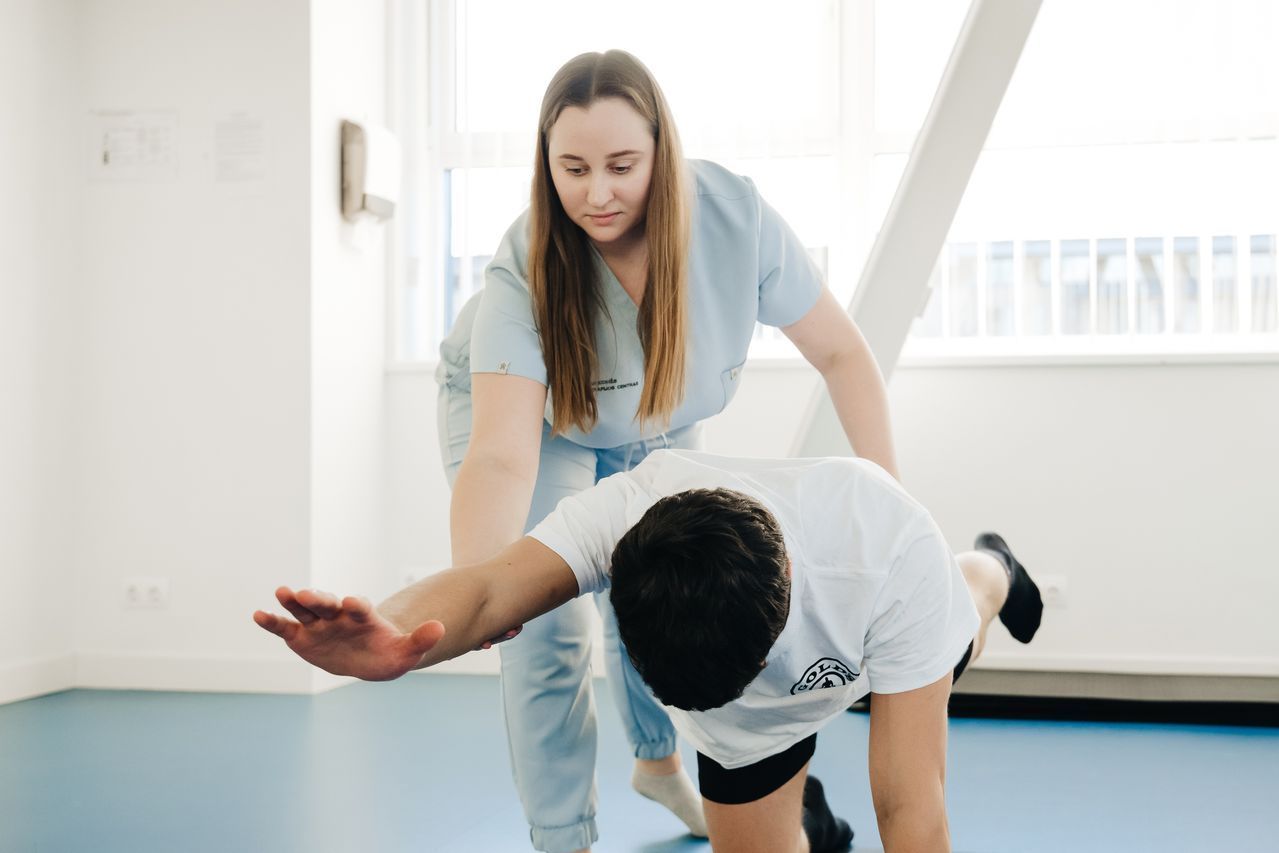
| Lower Back | Deadlifts / Cleans | Kettlebell Swings (glute focus) or Bird-Dogs |
| Wrist | Front Squats | Zombie Squats (arms extended) or Safety Bar Squats |
These swaps keep you engaged with your community, which matters more than most people realize. The social aspect of CrossFit is one of its biggest drivers of consistency.
Staying in the gym—even if you’re the person in the corner on the bike—keeps your mental health in check and your routine intact.
Why Professional Guidance Matters for CrossFit Injury Recovery
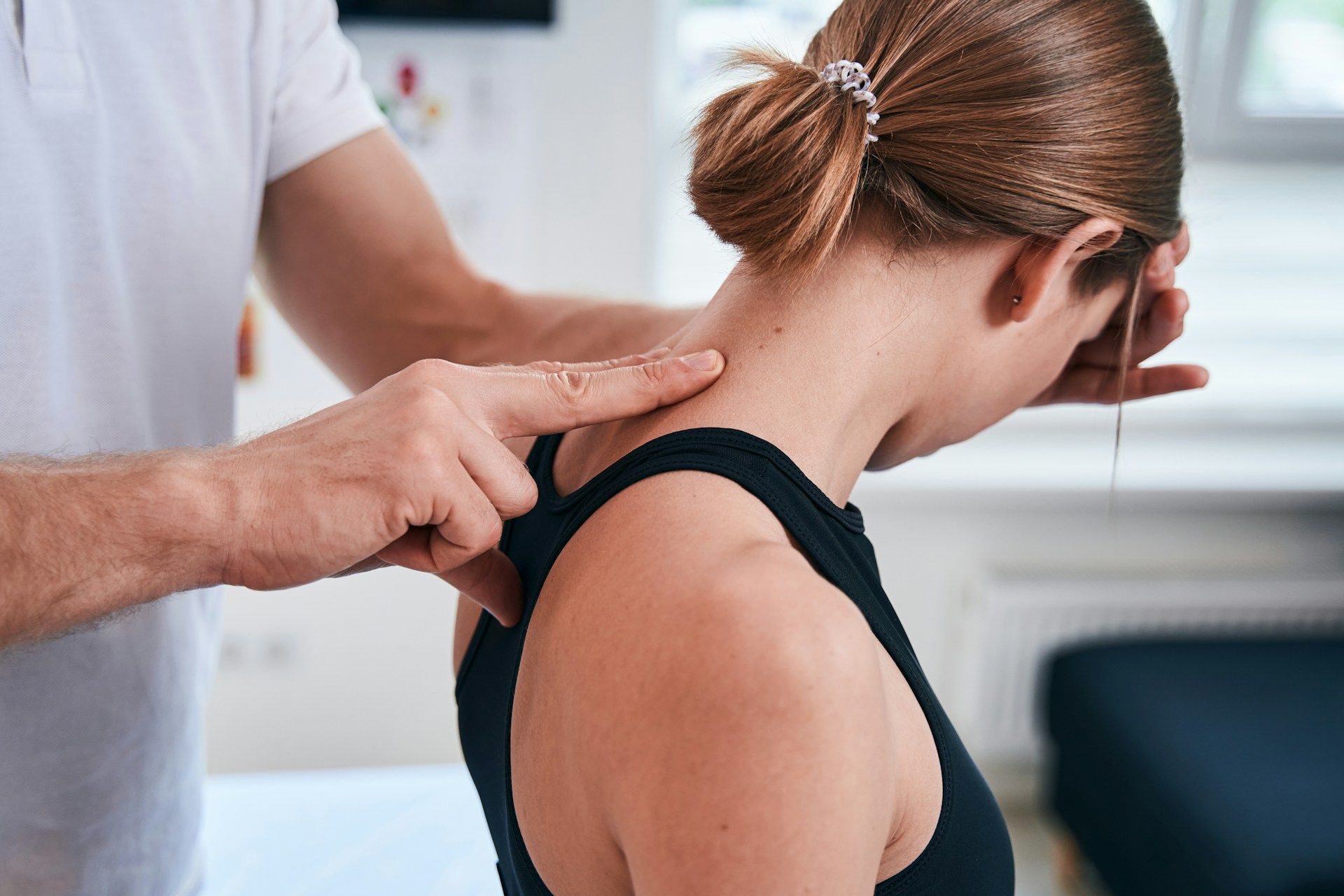
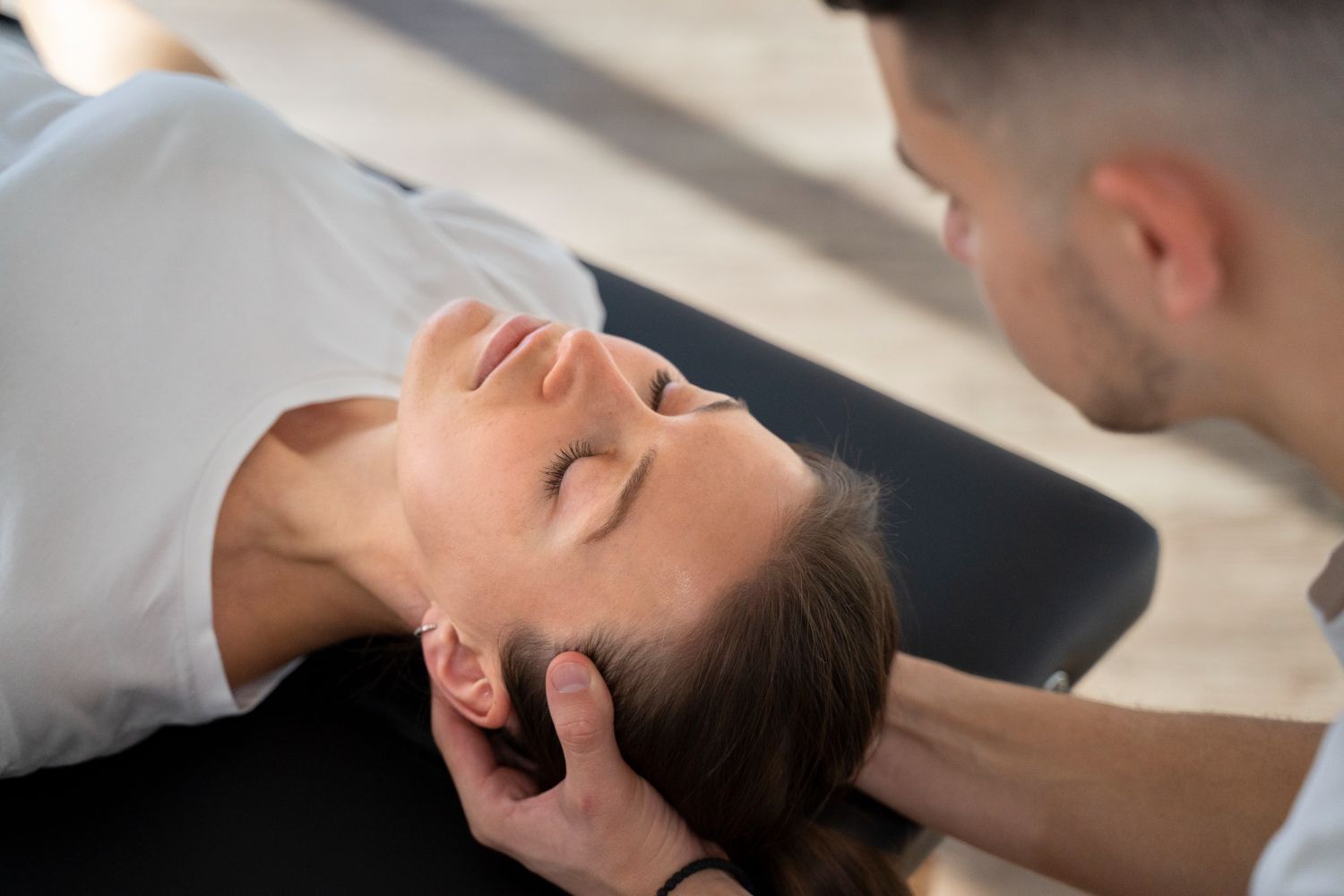
Scaling on your own is better than stopping entirely, but doing it without expert input can lead to frustration or re-injury. Working with a team that understands CrossFit—who knows the difference between a thruster and a push press—makes a significant difference in outcomes.
At Rebound Performance PT in Newington, CT, we go beyond telling you to “take two weeks off and pop some ibuprofen.” We analyze your movement mechanics to identify why the injury happened in the first place. Addressing the root cause—not just the symptom—is what prevents it from coming back.
Data shows that 90% of CrossFit athletes return to full capacity within six months when their rehab is integrated into their actual training routine rather than isolated from it. Rehab inside the gym is more effective than rehab done in a vacuum. And having a clear plan reduces the anxiety that comes with training while hurt.
Frequently Asked Questions
Should I keep training CrossFit while recovering from an injury?
In most cases, yes. For non-traumatic, overuse injuries, modified training with appropriate scaling is recommended over total rest. Controlled movement promotes tissue healing, maintains cardiovascular fitness, and keeps you mentally engaged. However, acute trauma or a medical professional’s recommendation to stop should always take priority.
How do I know if I’m pushing too hard during recovery?
Use the 24-hour rule. If your pain is worse the day after a workout than it was before, you exceeded your current capacity. During training, stay in the 0–3 range on a pain scale. A 4–5 is acceptable if it doesn’t escalate during the session, but anything above a 6 means you should stop that movement and switch to something else.
Can I still do metcons with an injury?
Absolutely. The goal is to match the target stimulus of the workout using movements that don’t stress your injured area. For example, if a WOD calls for running and you have a foot injury, substitute a SkiErg or assault bike to maintain the same cardiovascular demand without impact.
How long does it take to return to full CrossFit training after an injury?
Most CrossFit athletes return to full capacity within six months when rehab is integrated into their regular training. Timelines vary based on injury severity, consistency of modified training, and whether the root cause of the injury is addressed.
Take the First Step Back to the Barbell
You don’t have to choose between your health and your PRs. By scaling intelligently, monitoring your pain thresholds, and staying connected to your community in Newington, CT, you can navigate recovery with confidence.
At Rebound Performance PT, we’re here to help you modify your training so you never have to miss a beat. If you’re dealing with a lingering injury or aren’t sure how to safely get back under the barbell, let’s talk.
Call us today at (203) 601-7446 to schedule an evaluation and get back to the training you love.
Recent Blog Post