How Long Does Runner's Knee Take to Heal and What Affects Recovery
Runner's knee recovery typically takes 4 to 8 weeks with proper treatment, though mild cases may resolve in as little as 3 weeks while severe cases can take 6 to 12 months.
The condition, medically known as patellofemoral pain syndrome (PFPS), affects approximately 25% of all knee-related injuries seen in sports medicine clinics and has an annual prevalence of 22.7% in the general population.
At our Newington, CT clinic, we help runners and athletes navigate this common injury every day, and we understand how frustrating it can be to step away from the sport you love.
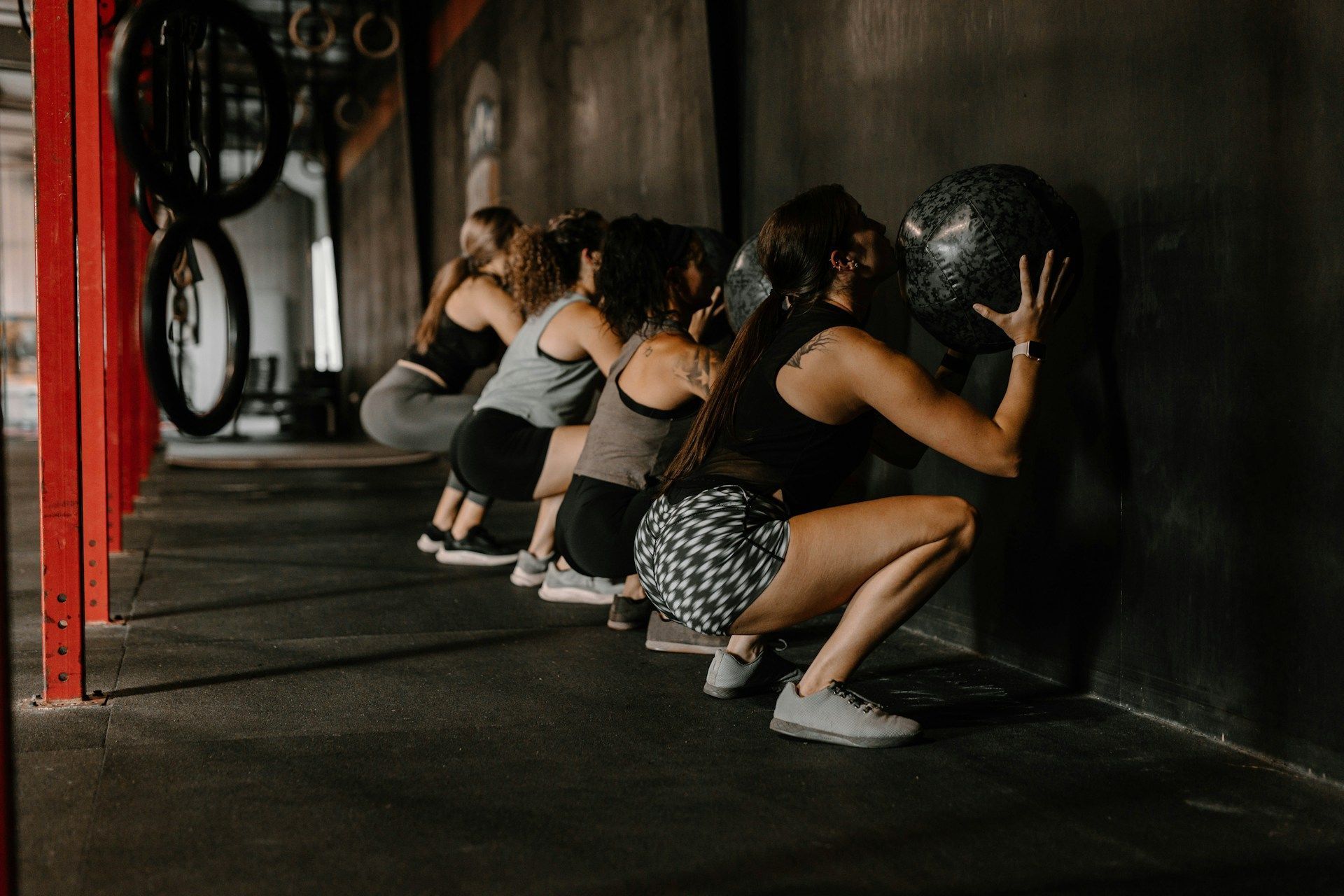
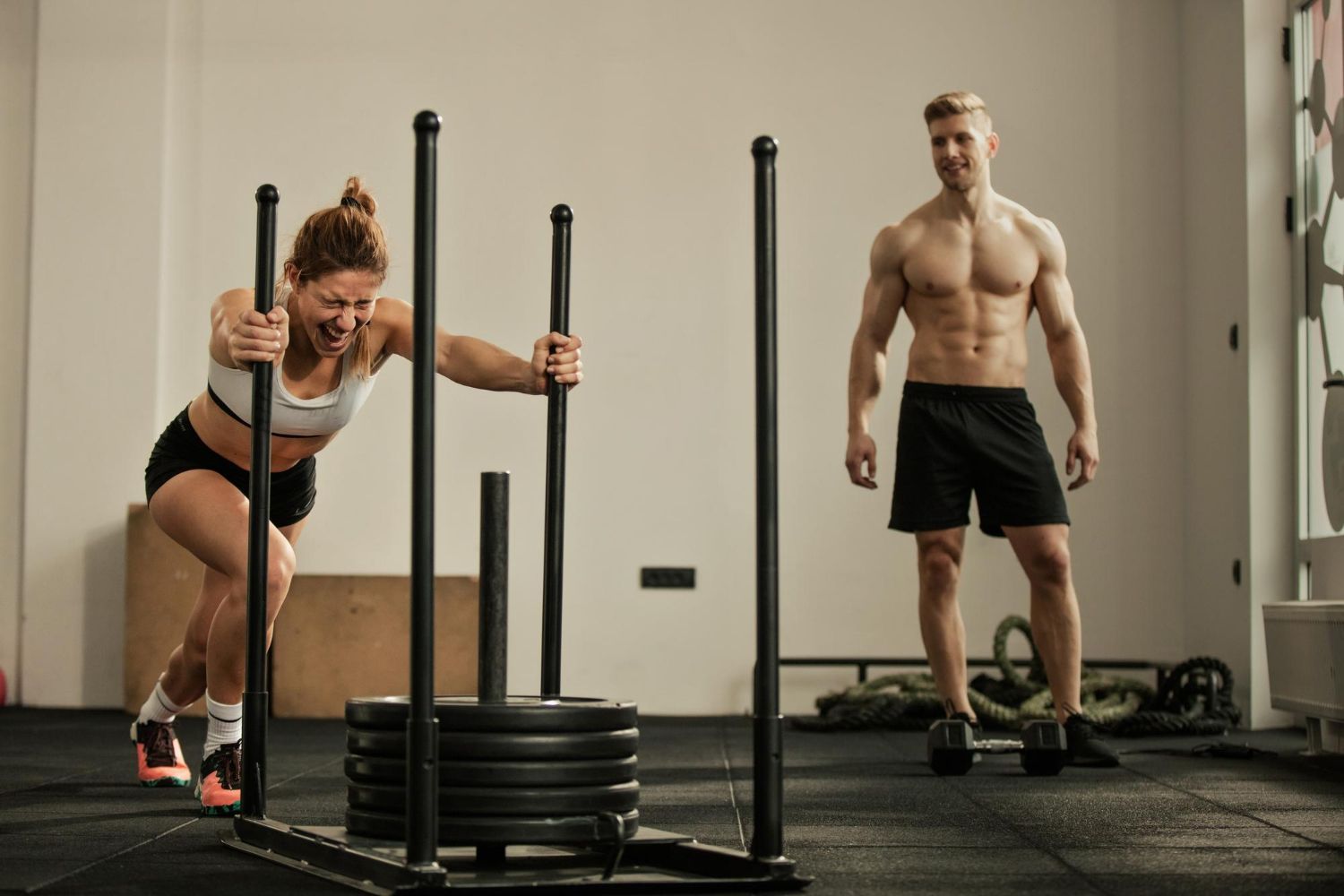
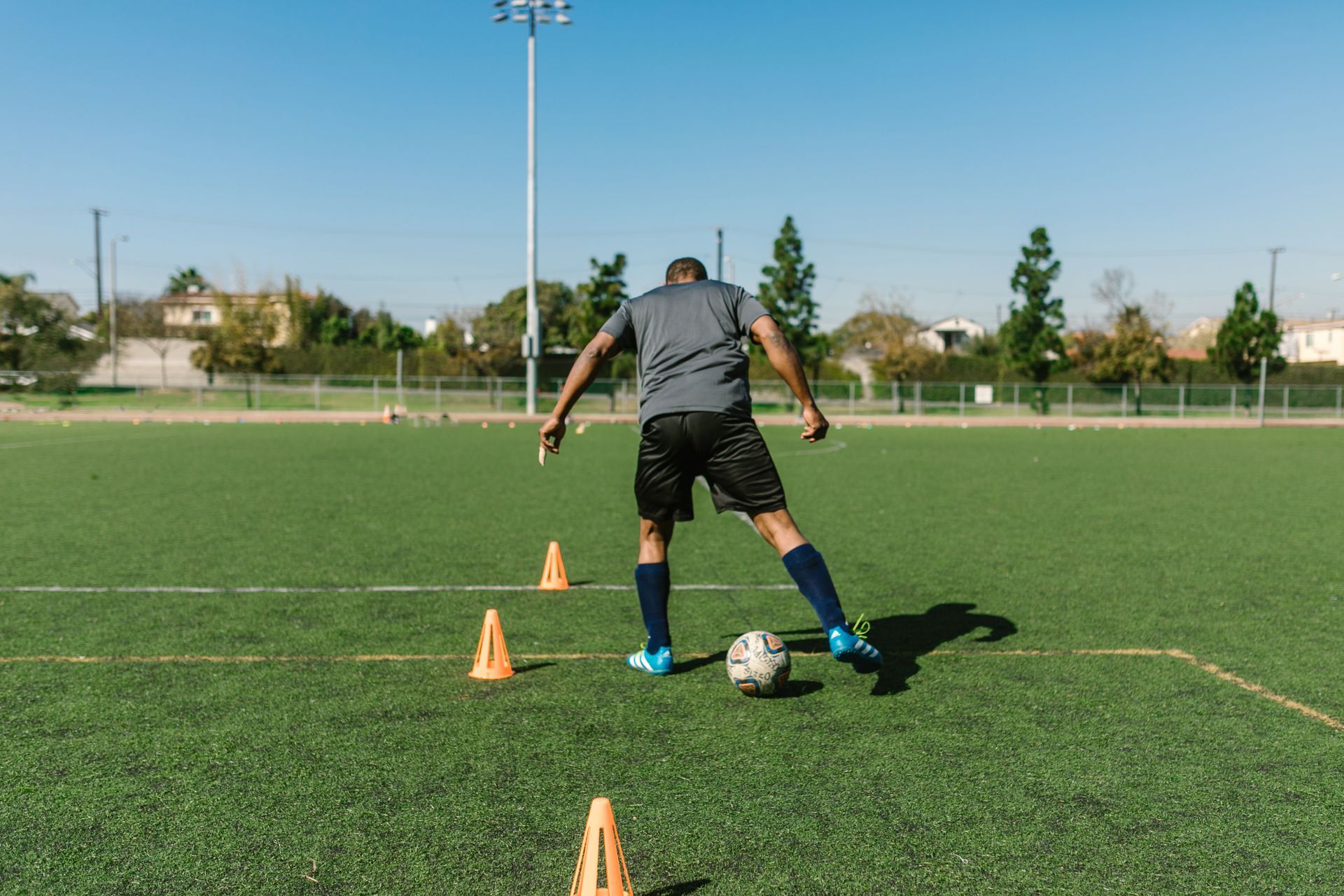
Whether you're training for a local 5K, pushing through CrossFit workouts, or simply enjoying recreational runs through Central Connecticut, understanding your recovery timeline is essential for getting back on track safely and effectively.
Summary
- Runner's knee recovery ranges from 4 to 8 weeks for most cases, with early intervention significantly shortening healing time and reducing the risk of chronic problems
- Females are 2.23 times more likely to develop runner's knee than males, and training errors account for 60 to 80 percent of all cases
- Physical therapy strengthening exercises targeting the hips, glutes, and quadriceps are the most effective conservative treatment approach supported by research
- Most runners can continue modified training during recovery rather than stopping activity completely, which helps maintain fitness while healing
What Is Runner's Knee and Why Does It Happen?
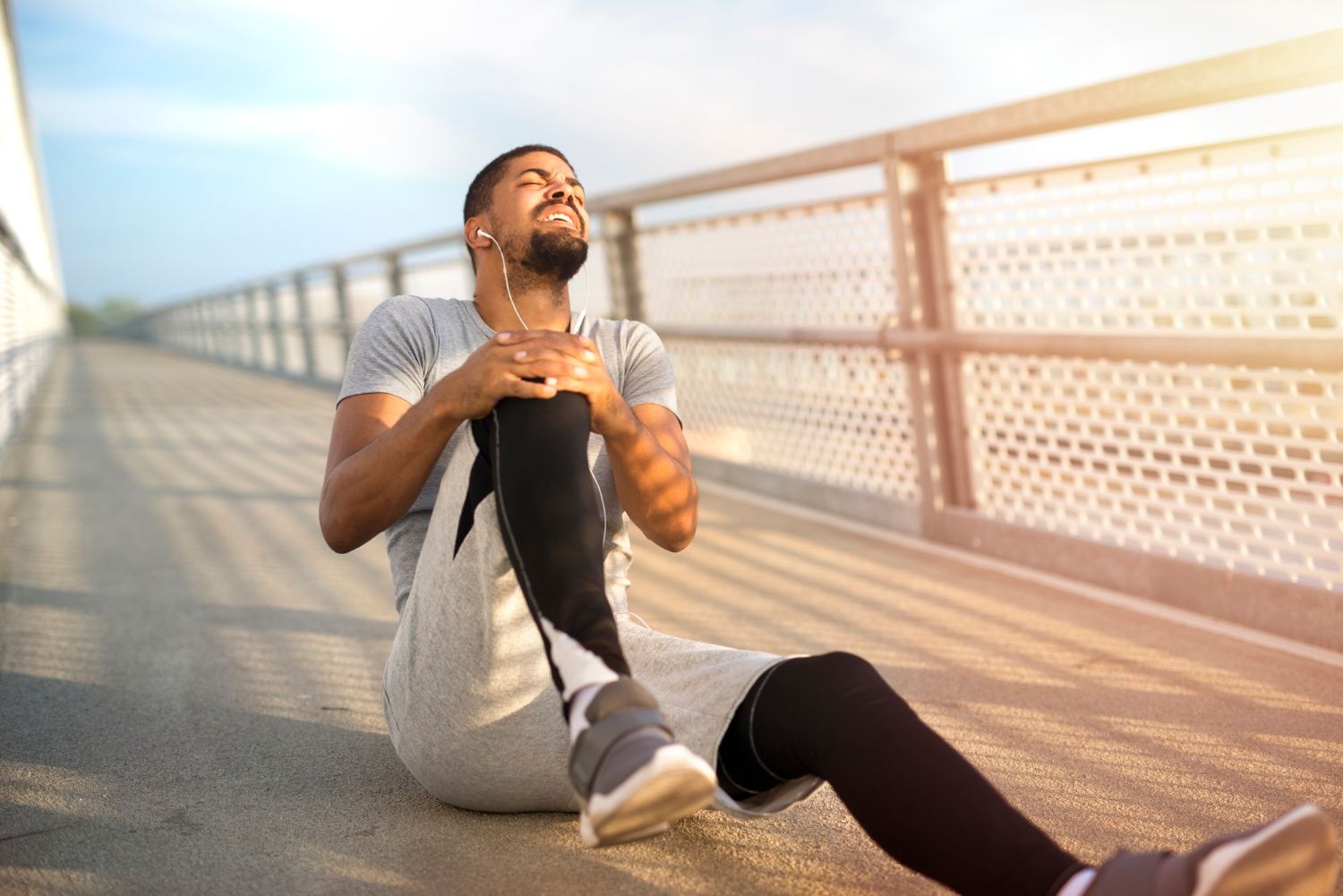
Runner's knee refers to pain around or behind the kneecap that worsens during activities like running, squatting, climbing stairs, or sitting for extended periods. The discomfort typically starts as a dull ache and gradually intensifies if left untreated.
The primary cause of runner's knee is abnormal tracking of the kneecap within the femoral groove. When the patella doesn't glide smoothly, it creates friction, irritation, and eventually pain. Research indicates that overloading of the underlying bone can be a substantial source of discomfort because this area has a rich nerve supply.
Several factors contribute to developing this condition:
- Weak quadriceps, gluteus medius, or hip muscles
- Tight IT band or hamstrings
- Sudden increases in training volume or intensity
- Improper running form or biomechanics
- Worn-out footwear lacking proper cushioning
- Flat feet or overpronation
Key Takeaways
- Runner's knee is caused by abnormal kneecap tracking and often stems from muscle imbalances or training errors
- Pain typically occurs during weight-bearing activities with a flexed knee, including running, stairs, and prolonged sitting
- Addressing root causes rather than just symptoms is essential for lasting recovery
Typical Recovery Timeline for Runner's Knee in Newington Athletes
Understanding realistic expectations helps you plan your training and recovery appropriately. Here's what the research tells us about recovery timelines:
Mild Cases (3 to 6 weeks): If you catch the injury early, make immediate modifications, and start targeted treatment, you may recover in as little as 2 to 3 weeks. Some runners who are very diligent about their treatment can almost sidestep the injury entirely after the first initial signs.
Moderate Cases (6 to 12 weeks): This is the most common scenario for runners in Newington and throughout Central Connecticut. With consistent physical therapy, proper exercise progression, and activity modification, most people see significant improvement within this window.
Severe or Chronic Cases (3 to 12+ months): Cases that have persisted for extended periods or have higher baseline pain scores face a longer road. Research shows that chronic patellofemoral pain can take 6 to 12 months or longer to fully resolve.
Approximately 71% of runners report full recovery from knee injuries, with a median recovery time of 8 weeks. However, about one-third of patients experience recurring symptoms, highlighting the importance of proper rehabilitation and injury prevention.
Key Takeaways
- Early intervention can reduce recovery time from months to weeks by preventing the condition from becoming chronic
- Most active adults recover within 6 to 12 weeks with appropriate treatment
- Proper rehabilitation dramatically reduces the risk of recurrence
Five Factors That Influence Your Runner's Knee Recovery Time
Several variables determine how quickly you'll return to pain-free running. Understanding these factors can help you make informed decisions about your recovery approach.
1. Severity of Initial Symptoms
The intensity of your pain and how long you've been experiencing symptoms are the biggest predictors of recovery duration. Runners who address pain within the first two weeks typically recover 40 to 60% faster than those who push through discomfort for months.
2. Underlying Muscle Strength
Weak hip, glute, and quadriceps muscles often contribute to poor knee alignment. Research from the Journal of Orthopedic and Sports Physical Therapy indicates that gluteus medius and gluteus maximus strength play a significant role in controlling knee biomechanics during running.
3. Treatment Approach and Compliance
Physical therapy combining hip and knee strengthening exercises is more effective than knee strengthening alone for reducing pain and improving function. Patients who follow their prescribed exercise programs consistently see better outcomes.
4. Training Modifications
Continuing high-impact activity through pain typically extends recovery time. However, complete rest isn't always necessary. Many runners can maintain fitness through modified training, cross-training, or running on softer surfaces while healing.
5. Biomechanical Factors
Issues like overpronation, leg length discrepancies, or running form problems require specific interventions. A gait analysis can identify these contributing factors and guide targeted corrections.
Key Takeaways
- Muscle weakness, particularly in the hips and glutes, is often the root cause of runner's knee
- Treatment compliance directly correlates with faster recovery times
- Biomechanical assessment helps identify and correct underlying issues
How Physical Therapy Accelerates Runner's Knee Recovery
Physical therapy remains the gold standard for treating runner's knee without surgery or long-term medication use. Here in Newington, CT, we use evidence-based approaches specifically designed for runners and athletes.
A comprehensive physical therapy program addresses both symptoms and underlying causes. This dual approach not only relieves current pain but also reduces the likelihood of future problems.
What to Expect in PT Treatment
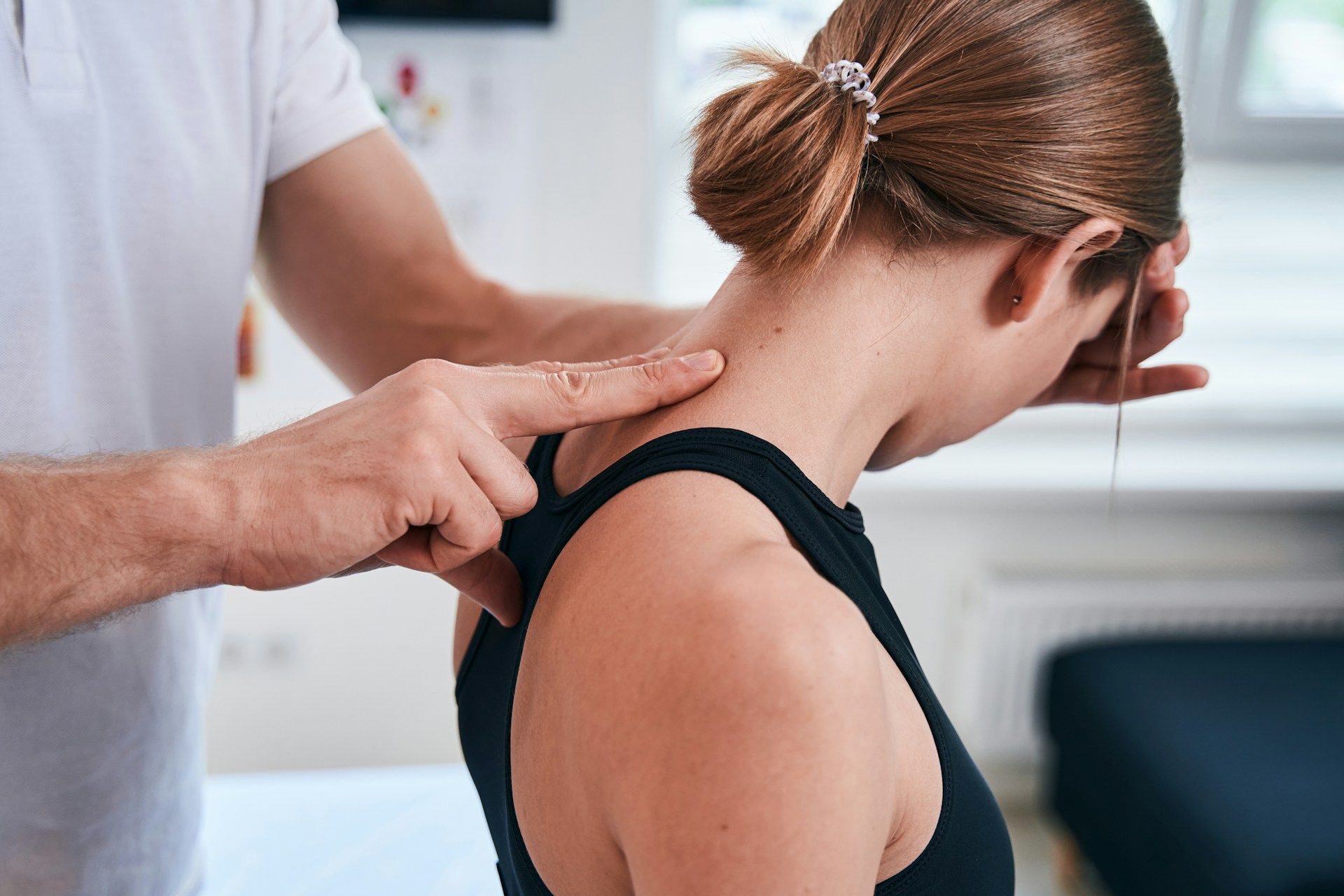
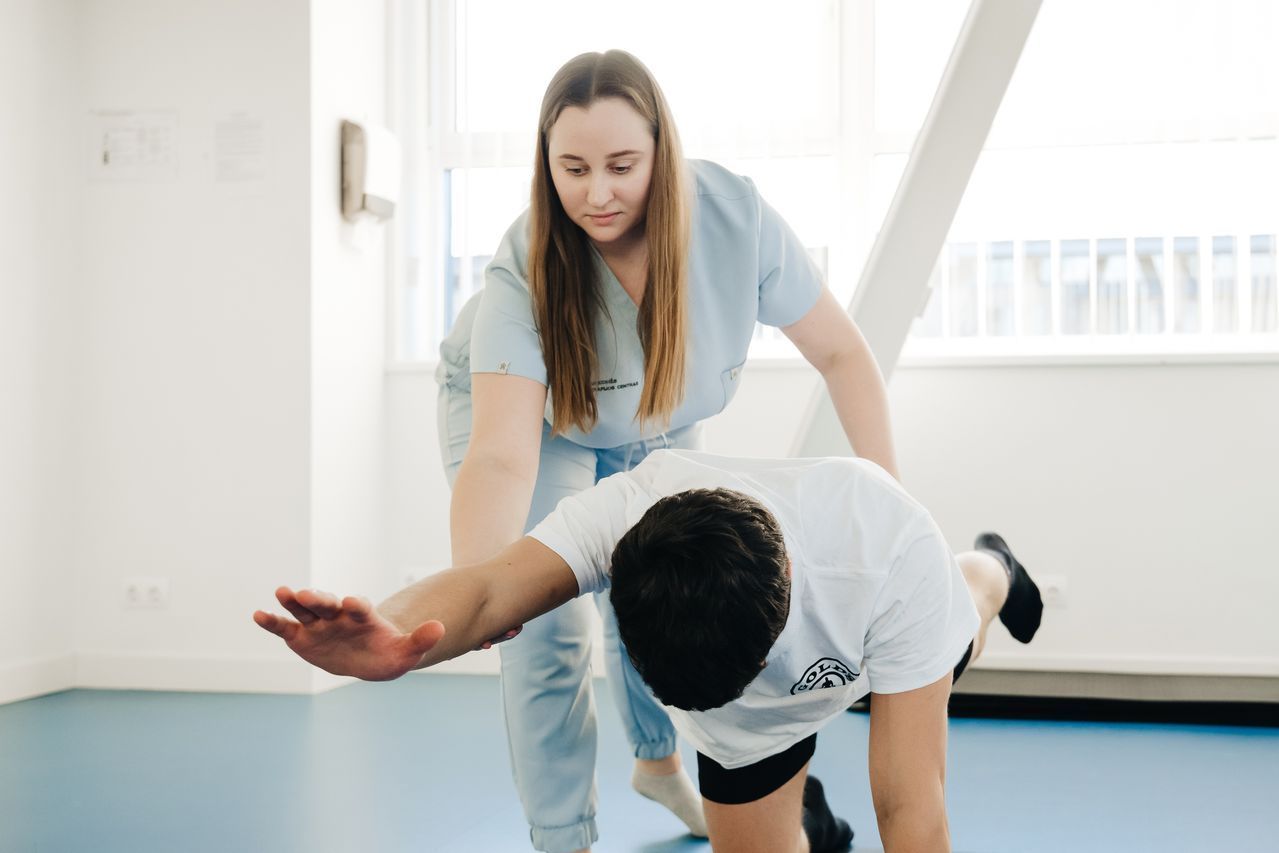
Initial Assessment: Your physical therapist will evaluate your movement patterns, muscle strength, flexibility, and running mechanics. This helps identify exactly what's causing your knee pain.
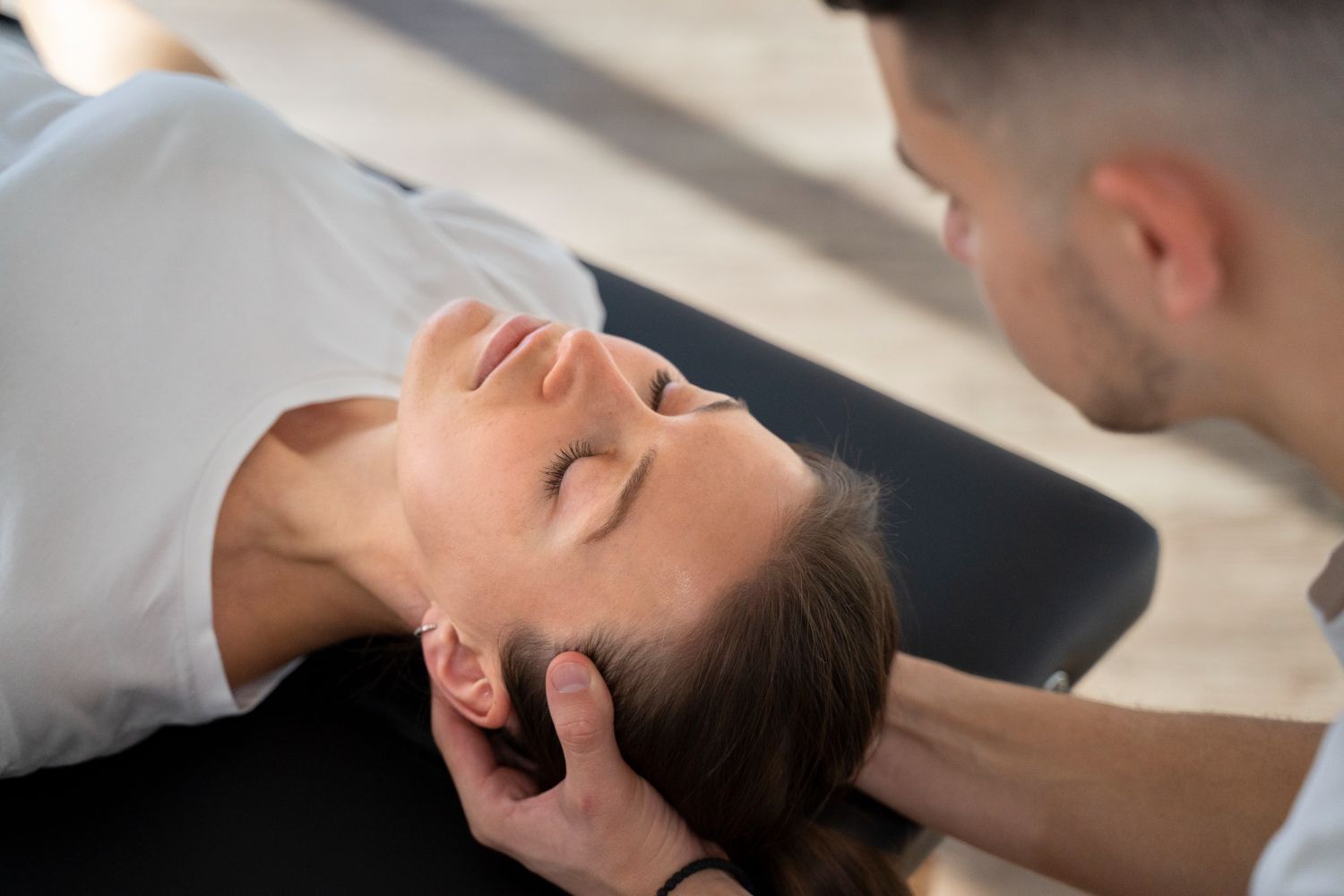
Manual Therapy: Techniques like soft tissue mobilization, patellofemoral joint mobilizations, and dry needling can reduce pain and improve tissue flexibility.
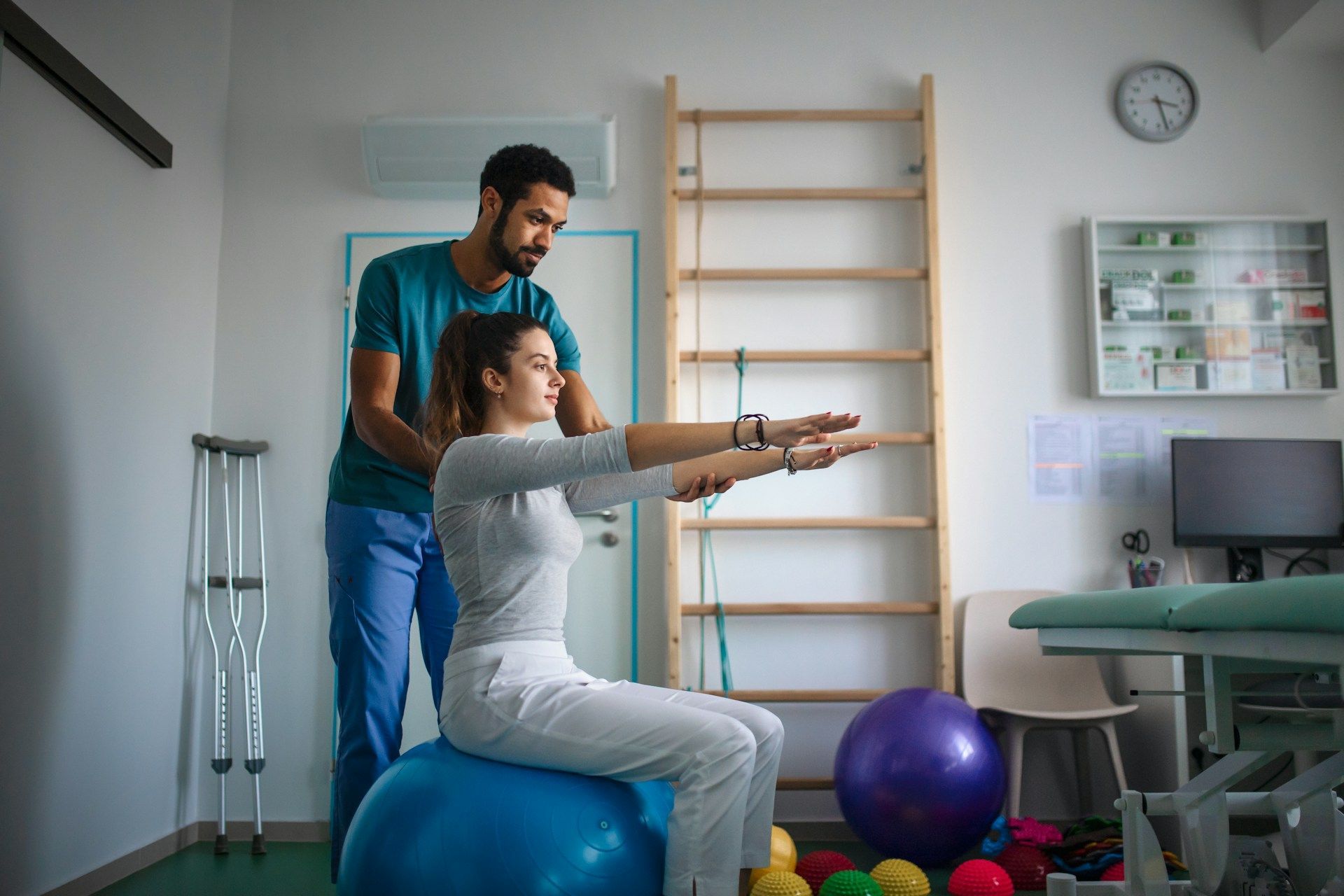
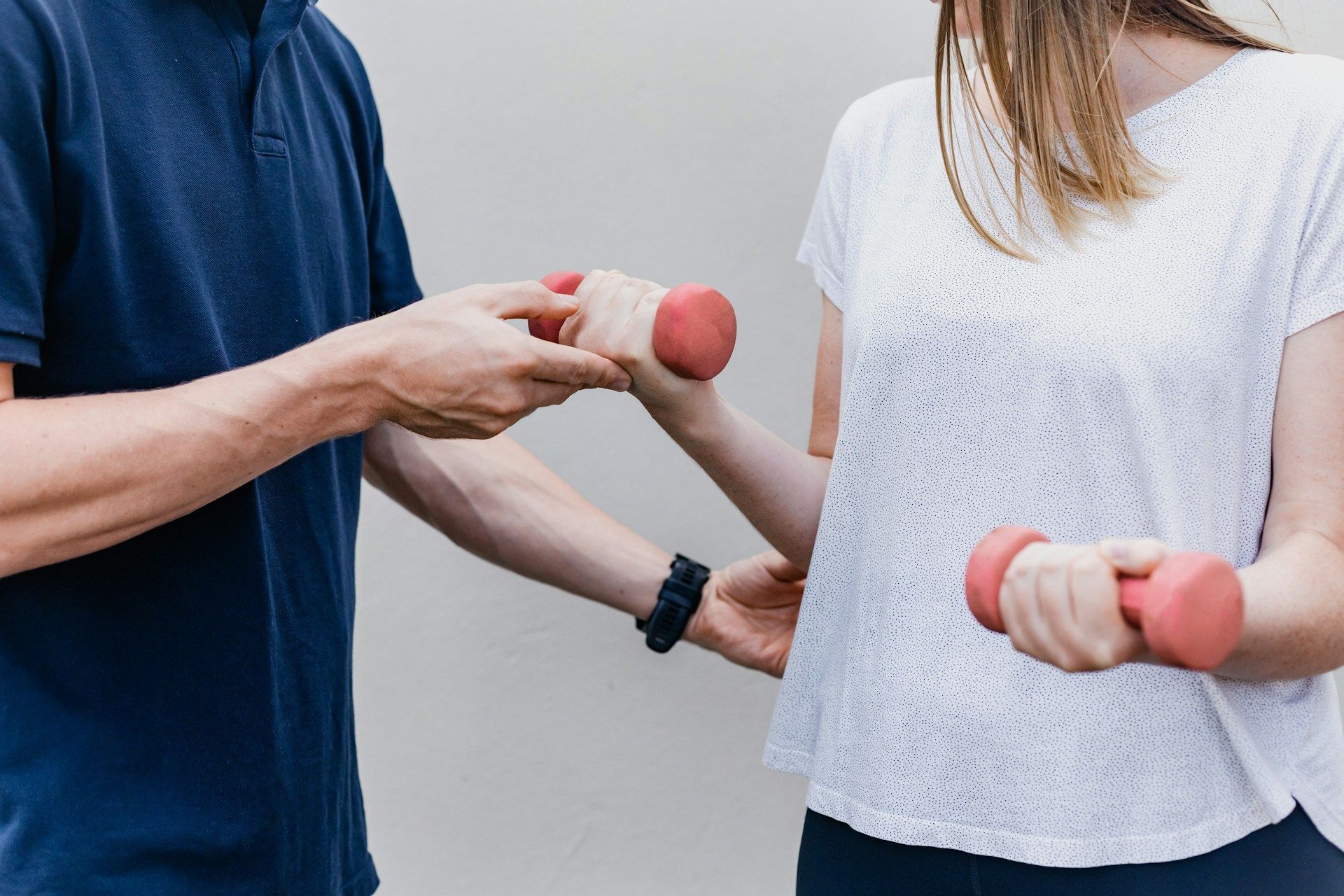
Strengthening Exercises: Targeted exercises for the quadriceps, hamstrings, hip muscles, and core build the strength needed to support proper knee alignment. Common exercises include:
- Clamshells for hip stability
- Single-leg squats for functional strength
- Glute bridges for posterior chain activation
- Step-downs for quadriceps control
Gait Analysis: Correcting running form reduces stress on the patellofemoral joint. This might involve adjusting cadence, foot strike, or arm swing.
Key Takeaways
- Physical therapy addresses root causes while managing symptoms for long-lasting results
- Strengthening exercises for hips, glutes, and quads are the most effective intervention
- Gait analysis and movement correction prevent future injury
Can You Keep Running With Runner's Knee?
This is one of the most common questions we hear from runners at our Newington clinic. The answer depends on your specific situation.
Many runners can continue training at a reduced level while recovering, but this requires careful management. The key is staying below your pain threshold and making smart modifications.
If your symptoms are mild and manageable, consider:
- Reducing weekly mileage by 25 to 50%
- Avoiding hills and uneven terrain
- Running on softer surfaces like grass or trails
- Adding more rest days between runs
- Replacing some running sessions with low-impact cross-training
However, if your pain is severe, sharp, or worsening despite modifications, you may need to stop running temporarily. Trying to push through significant pain often turns a minor setback into a chronic problem.
Cross-training alternatives that maintain cardiovascular fitness without stressing the knee include swimming, deep water running, and cycling (with proper bike fit).
Key Takeaways
- Complete rest isn't always necessary, but modifications are essential
- Stay below your pain threshold to avoid extending recovery time
- Cross-training maintains fitness while allowing healing
Preventing Runner's Knee From Coming Back
Once you've recovered, preventing recurrence becomes a priority. Research shows that consistent strength training significantly reduces the risk of future running injuries.
Incorporate these strategies into your routine:
- Maintain hip and glute strength with 2 to 3 strength sessions per week
- Progress training gradually (follow the 10% rule for weekly mileage increases)
- Replace running shoes every 300 to 500 miles
- Include regular mobility work for hips, IT band, and quadriceps
- Address biomechanical issues with proper footwear or orthotics if needed
Our physical therapy for runners program in Newington focuses on building the strength, mobility, and resilience you need to run consistently without pain.
Key Takeaways
- Ongoing strength training is essential for preventing runner's knee recurrence
- Gradual training progression reduces overuse injury risk
- Regular assessment catches problems early before they become serious
When to Seek Professional Help for Runner's Knee
While mild cases may respond to rest and self-care, certain signs indicate you need professional evaluation:
- Pain lasting longer than 2 to 3 weeks despite rest
- Swelling or knee locking
- Inability to fully extend or flex the knee
- Night pain or pain at rest
- Symptoms that worsen despite home treatment
- Recurring episodes that keep sidelining you
Early professional guidance prevents unnecessary suffering and prevents acute issues from becoming chronic. At Rebound Performance PT, we specialize in helping runners and athletes in Newington, CT get back to the activities they love using surgical-free, medication-free approaches.
Take Your First Step Toward Pain-Free Running
Runner's knee doesn't have to keep you on the sidelines indefinitely. With proper treatment, most runners fully recover within 4 to 8 weeks and return to their training stronger than before.
The key is addressing the injury promptly, following a structured rehabilitation program, and making smart training decisions during recovery. Whether you're dealing with your first bout of knee pain or struggling with recurring symptoms, personalized physical therapy offers the most effective path forward.
Ready to start your recovery journey? Our team understands the demands of running and CrossFit, and we're committed to getting you back to peak performance as quickly and safely as possible.
Learn more about common running injuries and how we treat them on our blog, or contact us at (203) 601-7446 to schedule your free consultation and take the first step toward pain-free running in Newington, CT.
Recent Blog Post