How to Keep Running with Plantar Fasciitis Without Making It Worse
Running with plantar fasciitis does not require complete rest in most cases.
Runners experiencing mild to moderate heel pain can often continue training with modifications, while those with severe symptoms should temporarily pause and focus on recovery.
The key distinction lies in pain behavior: if discomfort fades as you warm up, modified running may continue; if pain persists throughout your run, stopping is essential to prevent further tissue damage.
At Rebound Performance PT in Newington, CT, we help runners navigate this exact challenge every week. We understand that telling a passionate runner to stop completely feels like asking them to hold their breath indefinitely.
The good news? Complete rest is rarely the only answer, and a strategic approach can keep you moving while your plantar fascia heals.
Summary
- Mild plantar fasciitis often allows continued running with modifications including reduced mileage and supportive footwear
- Pain that worsens during running signals the need to stop and focus on recovery before tissue damage accumulates
- Recovery timelines typically range from 4 weeks to 6 months, though early intervention significantly shortens healing time
- Physical therapy reduces recovery time by up to 50% compared to rest alone by addressing root causes
Understanding Why Plantar Fasciitis Happens to Runners
Plantar fasciitis develops when the thick band of tissue connecting your heel to your toes becomes irritated from repetitive stress. For runners, this injury accounts for approximately 10% of all running-related conditions and affects up to 22% of runners at some point.
The plantar fascia absorbs force equivalent to 2-3 times your body weight with every stride. Over thousands of repetitions, micro-tears develop faster than your body repairs them, leading to that characteristic stabbing heel pain worst with morning's first steps.
Common causes include sudden mileage increases exceeding 10%, worn-out shoes, tight calf muscles, weak hip and glute muscles, and hard running surfaces.
Key Takeaways
- Plantar fasciitis results from repetitive overload, not a single traumatic event
- Approximately 2 million Americans seek treatment for this condition annually
- Early intervention dramatically improves outcomes
Can I keep Running with Plantar Fasciitis, or Should I Stop Completely?
Runners with mild plantar fasciitis can often continue training if pain decreases after warming up and remains below 3 out of 10 during activity. This pain pattern indicates the tissue is irritated but not actively worsening.
If you fall into this category, we recommend these modifications: reduce weekly mileage by 25-50%, eliminate speed work and hills temporarily, run on softer surfaces, limit runs to every other day, and implement thorough 10-minute dynamic warm-ups.
We regularly treat runner's knee, IT band syndrome, plantar fasciitis, and achilles tendinitis at our clinic, and these cases often respond well to continued modified activity combined with targeted treatment.
Key Takeaways
- Pain that fades with movement often indicates you can continue with appropriate modifications
- The 10% rule for mileage increases helps prevent flare-ups during training
- Cross-training maintains fitness while reducing repetitive plantar fascia stress
When You Should Stop Running Completely
Persistent pain throughout your entire run indicates you should stop running immediately and focus on recovery. Continuing through this discomfort causes additional micro-tearing and extends your timeline significantly.
Stop running if you experience pain that starts immediately and doesn't fade, limping to avoid heel pain, pain exceeding 4 out of 10, increasing pain over consecutive runs, or morning pain taking more than 30 minutes to subside.
Ignoring these warning signs can extend recovery from weeks to 12 months or longer. We've seen runners in Newington, CT who pushed through pain for months end up needing significantly more rehabilitation than those who addressed symptoms early.
Research shows approximately 98% of cases resolve without surgery when treated properly.
Key Takeaways
- Pain that persists throughout running signals active tissue damage requiring rest
- Altered gait patterns create secondary injuries in knees, hips, and back
- Early treatment produces better outcomes than waiting to see if pain resolves
A Step-by-Step Approach to Recovery While Staying Active
Recovering from plantar fasciitis doesn't mean abandoning all exercise. Here's our systematic approach at Rebound Performance PT to maintain fitness while healing:
Step 1: Recover (Weeks 1-3)
Focus on reducing pain while identifying root causes. Ice the heel for 15-20 minutes after activity, perform calf stretches and plantar fascia rolling twice daily, wear supportive shoes constantly, and begin cross-training with low-impact activities like swimming or pool running.
Step 2: Rebuild (Weeks 3-6)
Restore strength and address biomechanical deficiencies. Progress to high-load calf and foot strengthening, add hip and glute exercises, begin walking programs, and consider custom orthotics if arch support improves symptoms.
Step 3: Rebound (Weeks 6-12)
Gradually return to running with improved mechanics. Start with walk-run intervals, increase running by no more than 10% weekly, maintain strength exercises, and monitor morning pain as your guide.
Key Takeaways
- Structured progression prevents setbacks compared to jumping back into normal training
- Strength training accelerates healing by improving tissue load capacity
- Pool running maintains cardiovascular fitness with zero impact
The Role of Physical Therapy in Faster Recovery
Physical therapy reduces plantar fasciitis recovery time by addressing underlying causes that rest alone cannot fix. At our clinic, runners recover in as little as 4 weeks when engaging early, compared to 6 months or longer when treatment is delayed.
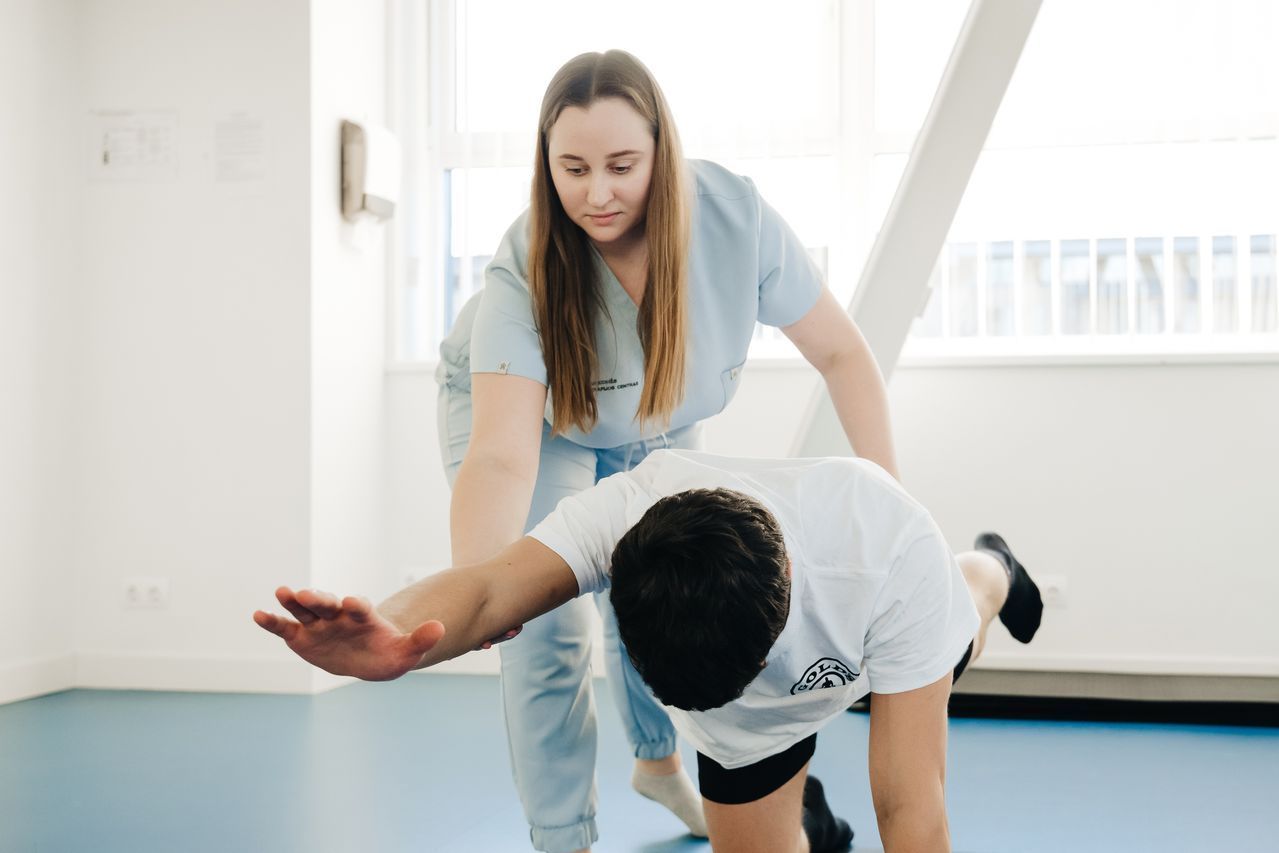
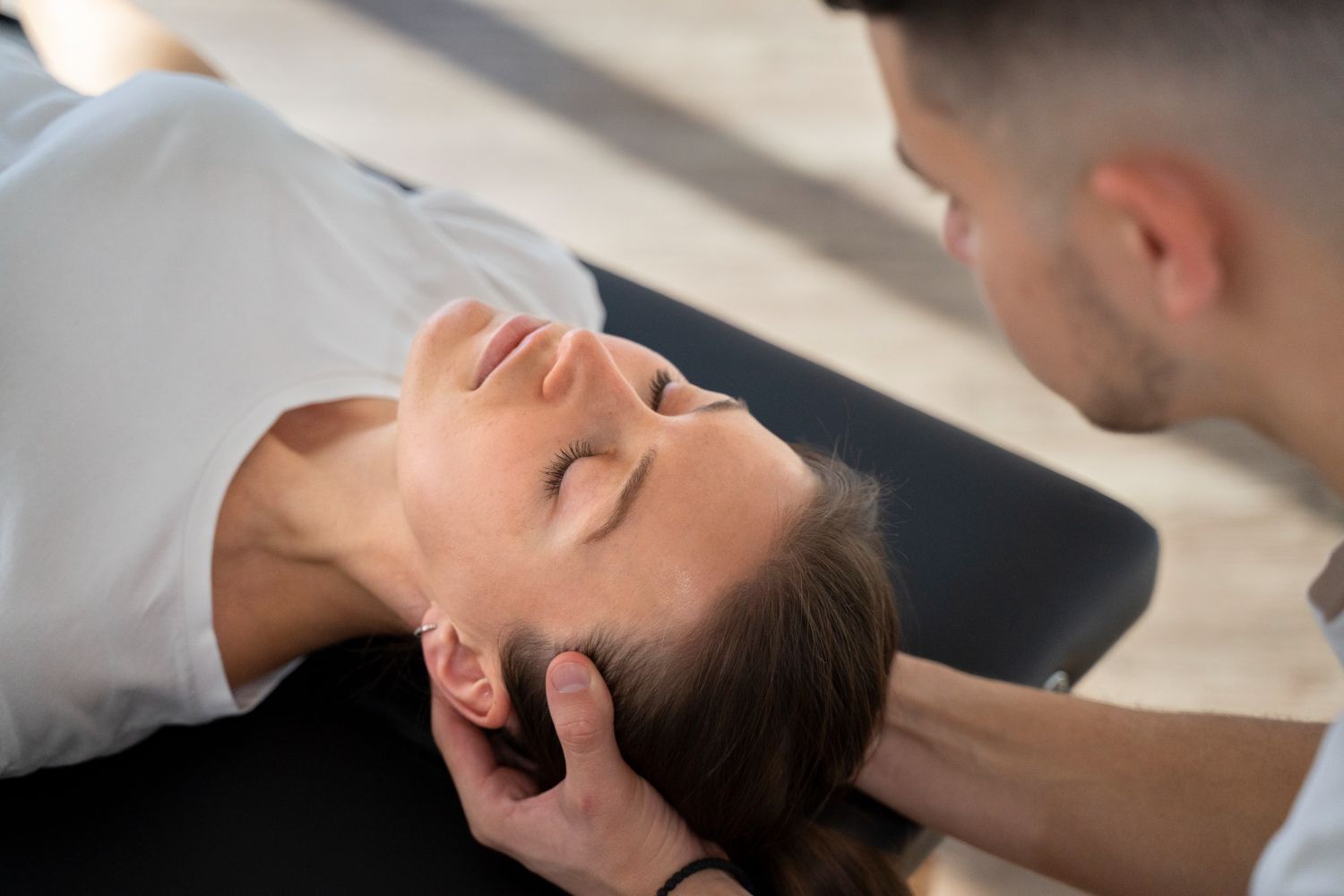
A comprehensive evaluation identifies weakness in hip stabilizers, calf tightness limiting ankle mobility, running form errors, and inappropriate footwear. Treatment includes soft tissue mobilization, strengthening exercises, and gait analysis.
For runners in Newington and surrounding areas, learn more on our comprehensive running guide.
Key Takeaways
- Physical therapy addresses root causes that rest alone cannot fix
- Gait analysis identifies problematic movement patterns
- Personalized treatment plans account for your specific goals
Preventing Plantar Fasciitis from Returning
Once recovered, maintaining foot health requires ongoing attention. Runners who continue strength exercises experience significantly fewer flare-ups than those returning without preventive care.
Key habits: replace shoes every 300-500 miles, perform calf stretches and foot strengthening 3-4 times weekly, increase mileage by no more than 10% per week, and address any new heel tightness immediately.
Key Takeaways
- Consistent strength work prevents recurrence more effectively than any single treatment
- Shoe rotation reduces repetitive stress patterns
- Early response to new symptoms prevents chronic injury
Take the Next Step Toward Pain-Free Running
Plantar fasciitis doesn't have to end your running journey. With targeted treatment and gradual progression, most runners return stronger than before.
We specialize in helping runners overcome challenging injuries and get back to doing what they love. Whether dealing with persistent heel pain or preventing future problems, our team provides personalized, one-on-one care.
Ready to run pain-free? Call us at (203) 601-7446 to schedule a free consultation. We're here to help you recover, rebuild, and rebound.
Recent Blog Post