High School Sports Injury Therapy After a Season-Ending Setback
Turning a Season-Ending Injury Into a Comeback Plan
A season-ending injury in high school sports hits hard. One play and suddenly you are on crutches, in a sling, or waiting for an MRI while your team keeps playing without you. On top of the pain, there is the worry about losing a starting spot, missing club events, or slipping off a college coach’s radar.
We want you to know this: a setback like a torn ACL, a shoulder labrum tear, or a bad ankle fracture does not have to be the end of your story. With the right high school sports injury therapy and a smart plan, many athletes return stronger, more explosive, and more confident than before. The time you are out of games can become the time you rebuild your body, your skills, and your mindset for a better comeback.
What Actually Happened When Your Season Ended Early
When your season ended, something inside your body changed fast. For a knee injury like an ACL tear in soccer or football, the ligament that helps keep your knee stable was damaged. With a shoulder labrum or rotator cuff injury in baseball or softball, the tissue that keeps the shoulder centered in its socket was hurt, which can cause pain with throwing or overhead moves. A bad ankle sprain in basketball or a stress fracture in track can affect how your foot and leg handle force with every step and jump.
Pain and swelling are only part of what is going on. Under the surface, several things are happening:
- Muscles around the injured area start to lose strength and size
- Your brain changes how you move to protect the injury, often creating awkward patterns
- Your balance and body control can drop off
- Your confidence in that body part takes a big hit
If you just rest and hope things get better, those changes often stick. On the other hand, rushing back for summer leagues, AAU, club tournaments, or showcases without a real plan can lead to:
- Re-injury to the same area
- New injuries somewhere else from compensation
- Slower times, weaker throws, or less power than before
This is where focused high school sports injury therapy matters. It is not only about getting out of pain. It is about rebuilding everything that was lost or changed so you can trust your body in real games again.
Building Your High School Sports Injury Therapy Game Plan
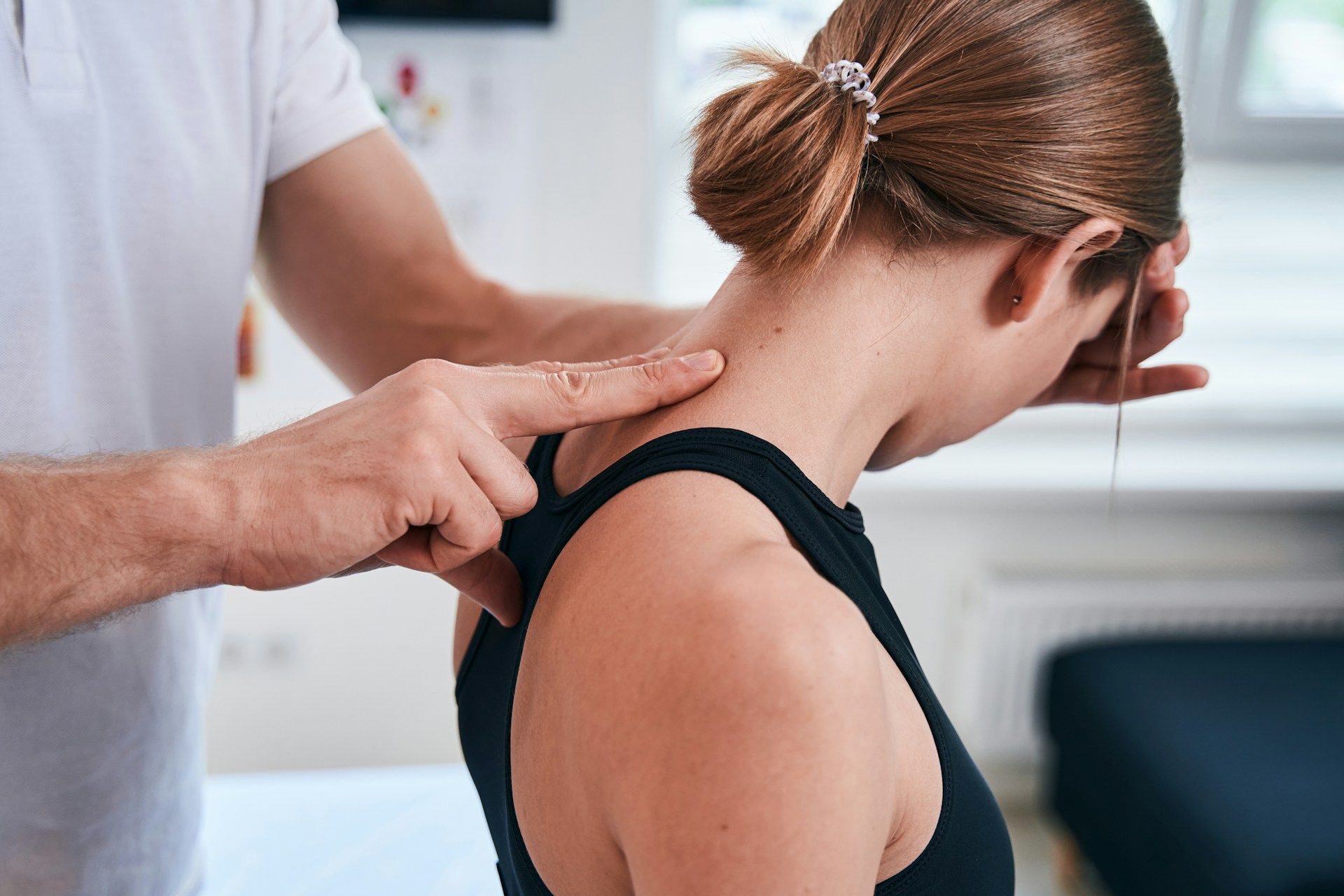
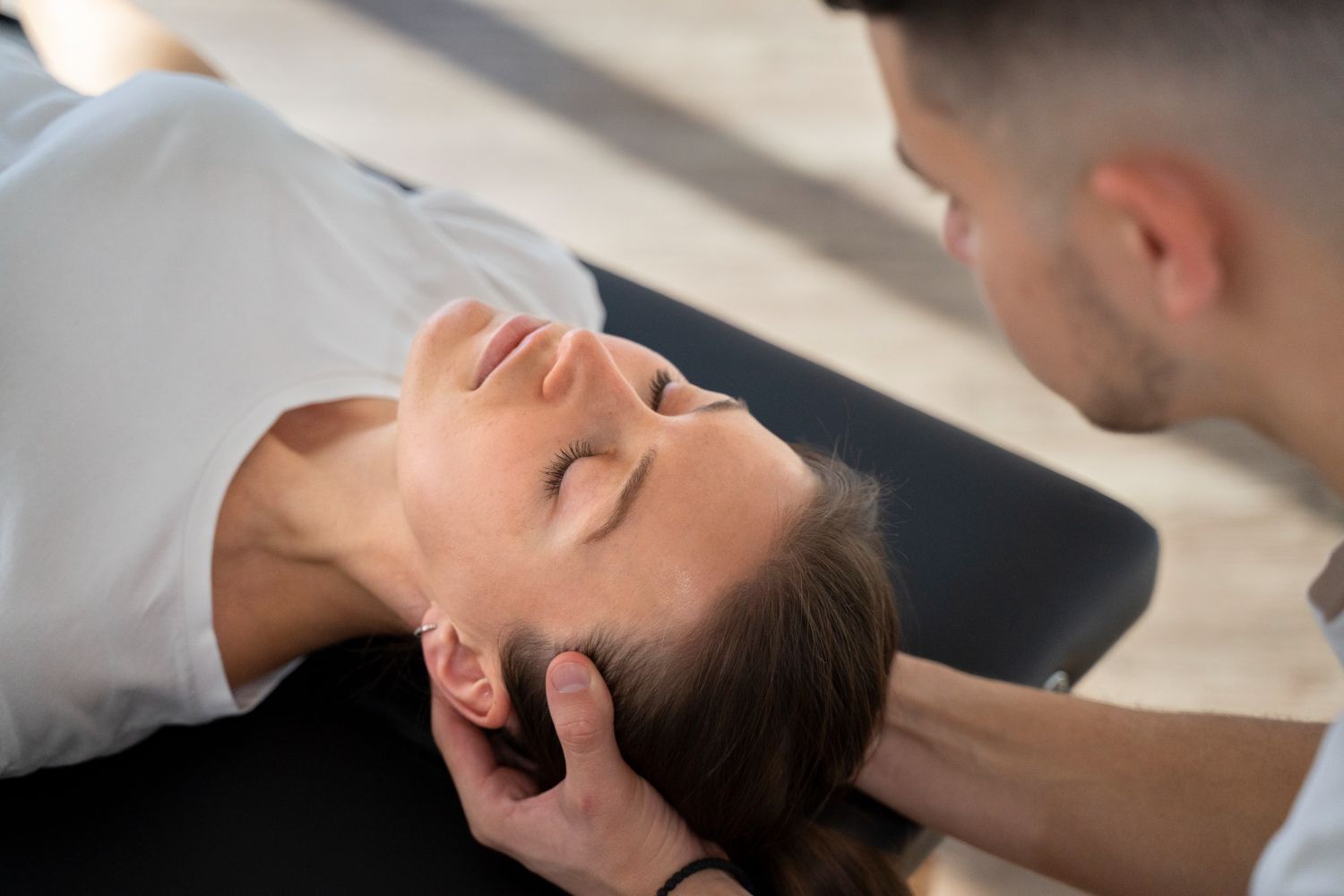
A performance-focused therapy program should feel like a smart training plan, not just a few random exercises. At a clinic like ours, we start with a detailed evaluation. That means we look at:
- The specific injury and any imaging or reports you have
- How you walk, squat, jump, land, cut, or throw
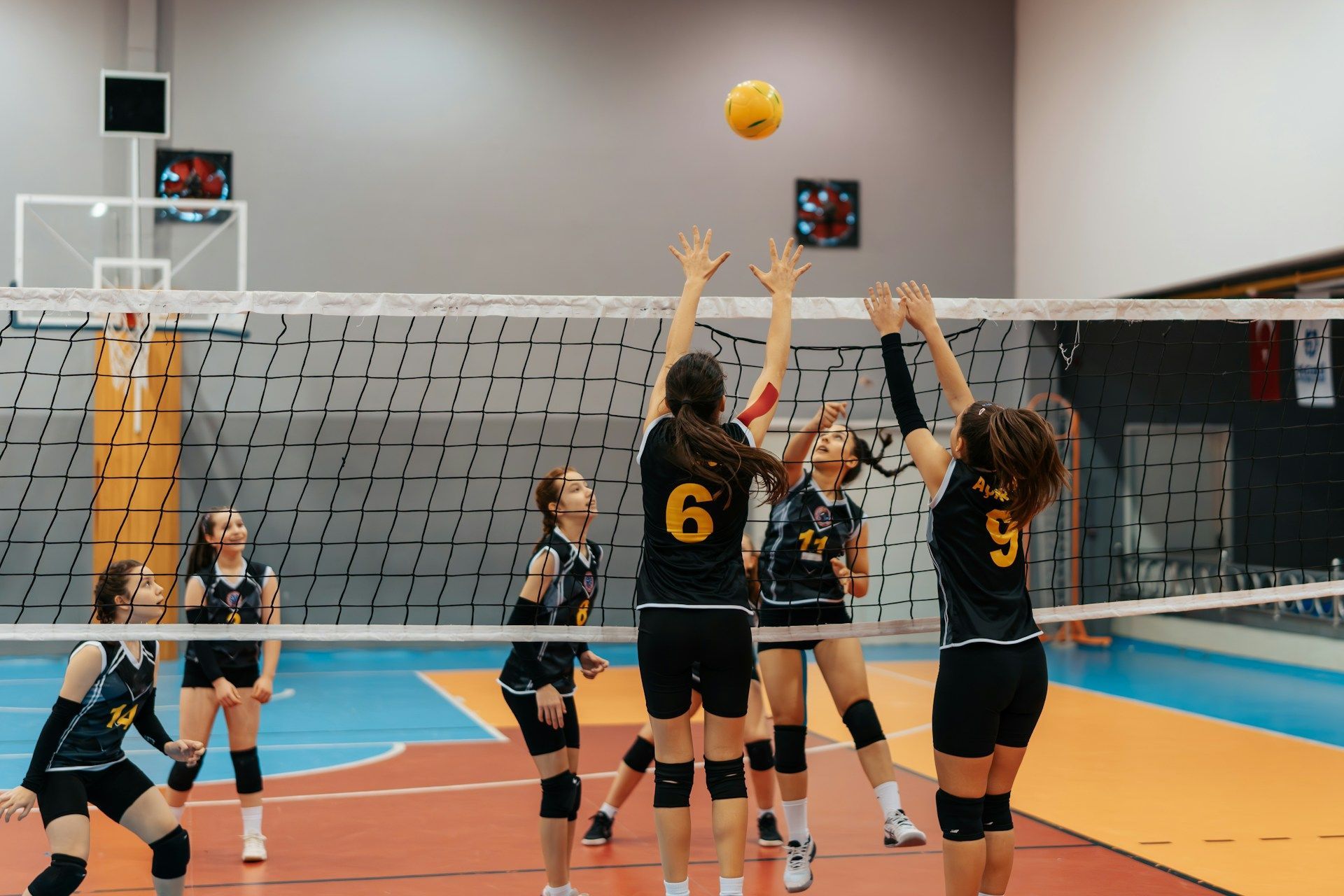
- Sport- and position-demand demands, like a setter vs. middle blocker, pitcher vs. infielder
- Your goals and timelines for school, club, and showcases
From there, we build phases instead of guessing day to day. A common set of phases looks like this:
Early protection and mobility
- Calming pain and swelling
- Protecting surgical repairs or healing tissue
- Gently restoring range of motion and basic movement
- Keeping the rest of your body strong
Rebuilding strength and power
- Building strength around the injured area and full-body
- Working on single-leg or single-arm control
- Adding speed, power, and explosive moves that match your sport
- Correcting any movement patterns that might put you at risk again
Return-to-play and testing
- Sport-specific drills for football, soccer, basketball, baseball, softball, lacrosse, track, field hockey, and more
- Change of direction, cutting, and deceleration progressions
- Jump and landing tests, sprint work, and position-based skills
- Clear testing to see if your body is truly ready for practice and games
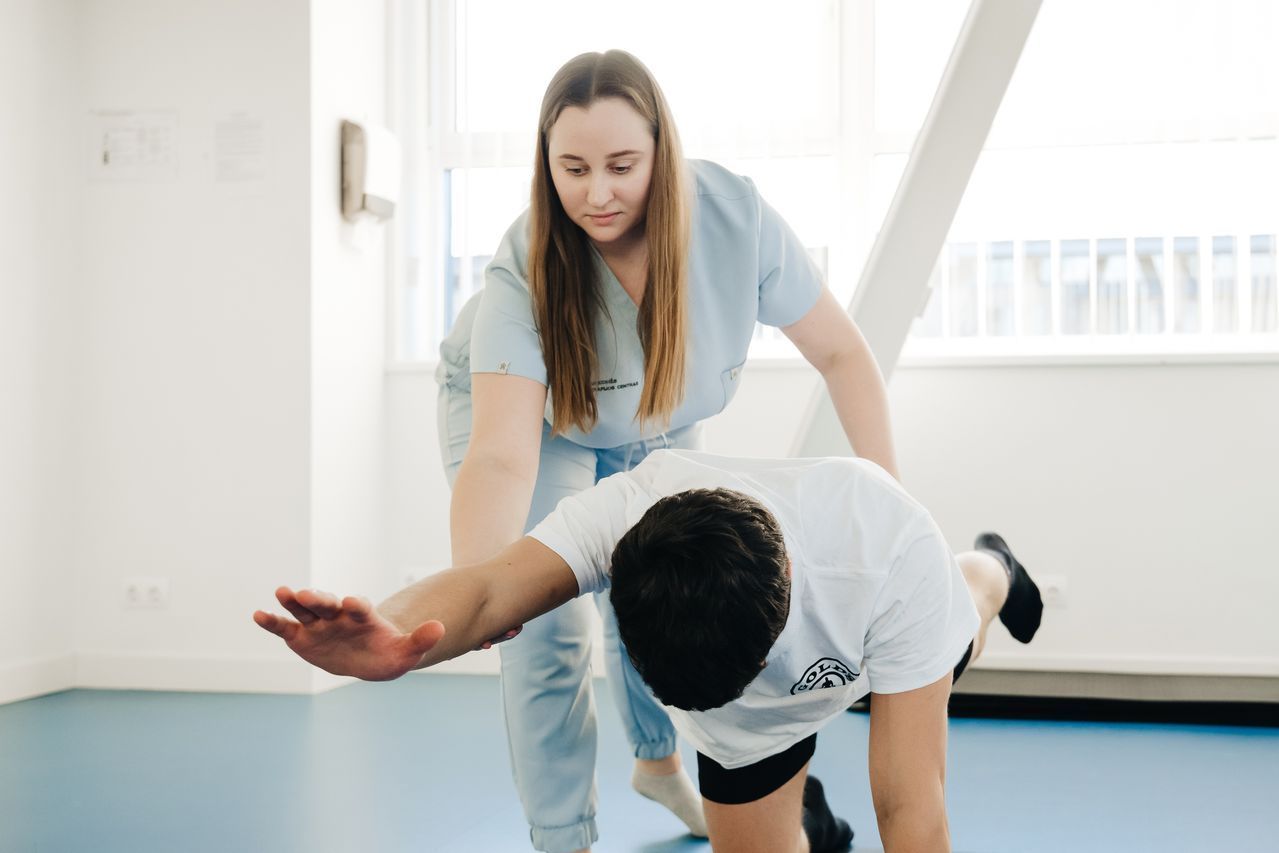
One-on-one care is a big deal here. When you work with the same provider who knows your sport and position, the plan adjusts as you progress, not on a generic calendar. That is how you go from “cleared” to “ready to compete.”
Using the Off-Season to Come Back Stronger Next Year
For many high school athletes, the off-season is the best window to do this right. Summer often brings more flexible schedules, fewer school demands, and space to focus on rehab, strength, and speed. If you start a smart plan early, you give yourself time to build up instead of scrambling right before tryouts.
Good high school sports injury therapy blends rehab and performance. That can look like:
- Soccer or lacrosse: cutting, change of direction, and deceleration work that starts controlled and moves toward game speed
- Track and basketball: sprint mechanics, jump and landing progressions, and plyometrics that respect your healing tissue
- Baseball and softball: gradual throwing programs, rotational power training, and shoulder control work
It also matters that your therapy program fits the rest of your training life. A strong plan will:
- Coordinate resistance training and speed work so you are not overloaded
- Respect club or AAU schedules so you know when to push and when to pull back
- Communicate clear expectations with coaches when needed so you are not pressured to return before you are ready
For athletes in Central Connecticut, this means using the months between school seasons to lock in a stronger, faster, more durable version of yourself before the next whistle blows.
Mindset, Motivation, and Staying Connected to Your Team
The physical work is only half of the comeback. Being forced out of your sport can shake how you see yourself. You might feel less like “the starter” and more like “the injured kid.” You may worry that college coaches will forget about you or that you will get hurt the first time you plant and cut again.
There are real ways to stay locked in:
- Stay around your team: attend practices, games, and meetings when you can
- Help with film, stats, or leadership roles so you are still part of the group
- Set small weekly rehab goals to keep motivation high
- Talk openly about fears of re-injury instead of hiding them
Working closely with a physical therapist who understands high school sports can help you:
- Rebuild trust in your knee, shoulder, ankle, or back with graded challenges
- Practice game-like situations in a controlled setting
- Learn how to warm up, cool down, and recover to protect yourself long-term
We want you to step back on the field, court, or track not just cleared on paper, but confident in your body and your game.
Your Next Step Toward a Stronger Return to Sport
If your season ended early, waiting until tryouts or the first day of preseason practice is one of the biggest mistakes you can make. Your body needs time to heal, then time to rebuild strength, then time to get fast and game-ready again. That does not happen in a couple of weeks.
At Rebound Physical Therapy in Central Connecticut, we help active high school athletes turn season-ending injuries into real comeback plans with one-on-one, individualized care. Bringing any past imaging or reports, sharing your position, goals, and upcoming season timelines, and committing to a focused program can turn a hard setback into a launchpad for your best year yet.
Help Your Student Athlete Heal Stronger and Return Confidently
If your teen is sidelined with an injury, we provide targeted
high school sports injury therapy to help them regain strength, confidence, and game readiness safely. At Rebound Physical Therapy, we tailor every plan to your athlete’s sport, position, and unique goals so they can return smarter, not just faster. Reach out today to discuss your athlete’s injury, and we will outline clear next steps for recovery. If you are ready to schedule an appointment or ask questions, please
contact us.
Recent Blog Post